 EVERYTHING


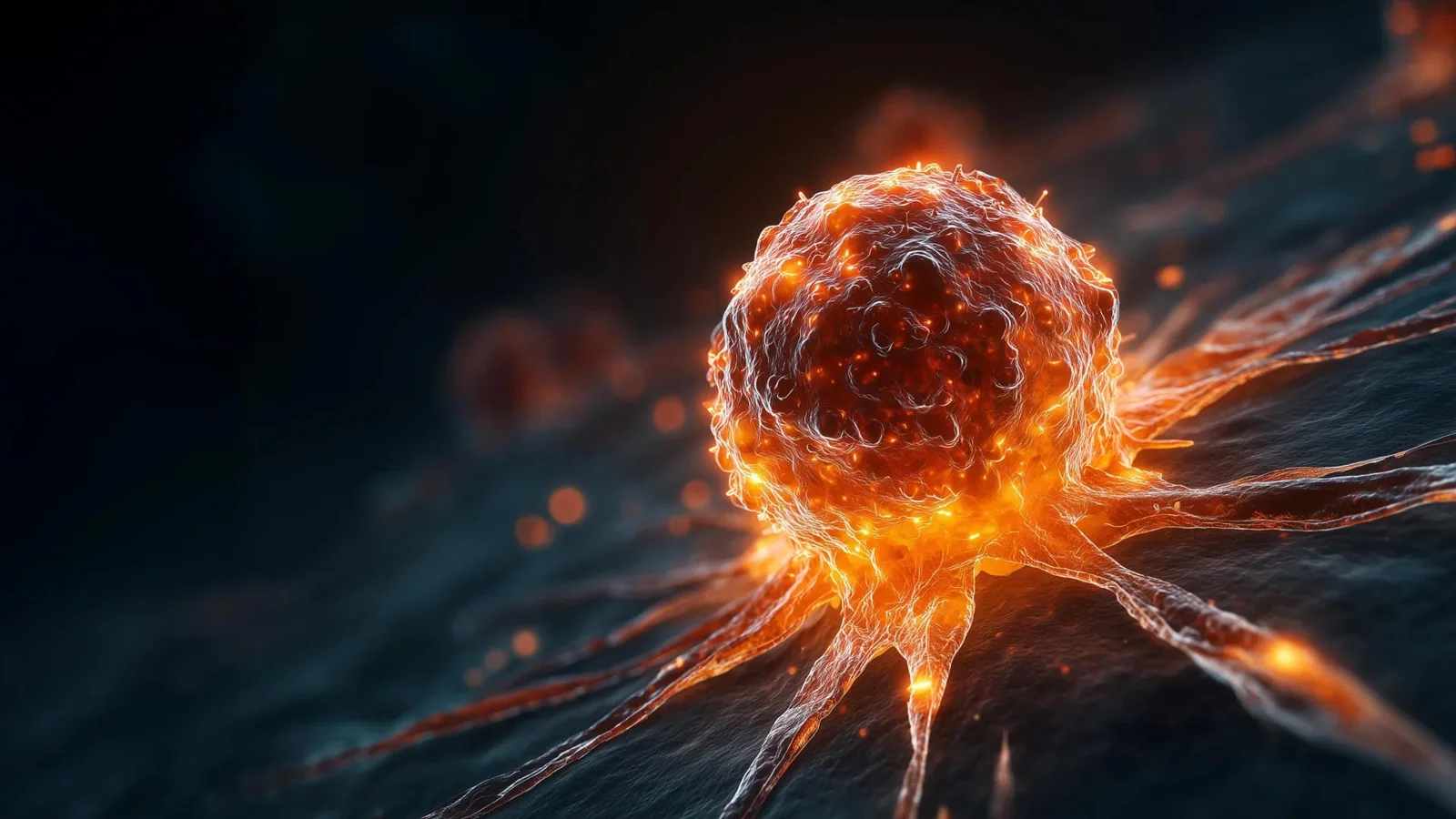
According to Sciencedaily, researchers at the Institute for Basic Science (IBS) have uncovered a way to systematically dismantle the machinery cancer cells use to repair DNA. This discovery addresses a major hurdle in oncology: the ability of tumors to adapt and survive treatments designed to cause genetic instability.
Targeting essential DNA repair proteins
Cancer cells often evade treatment by utilizing homologous recombination, a highly accurate process for fixing DNA damage. While PARP inhibitors were developed to exploit weaknesses in these pathways, many cancers eventually develop resistance by restoring their repair capabilities. The research team, led by Director Kyungjae Myung and Joo-Yong Lee, identified UNI418 as a small molecule capable of disrupting this balance.
The study revealed that exposure to UNI418 leads to a significant drop in critical DNA repair proteins. This occurs because the molecule activates a protein disposal pathway known as the Cul4A ubiquitin ligase complex. Once activated, this system marks vital components for destruction, effectively stripping the cancer cell of its defense mechanisms.
- UNI418 targets the replication stress response regulators.
- The molecule triggers the degradation of RAD51 and CHK1 proteins.
- It disrupts inositol phosphate metabolism to lower IP6 levels.
- The process mimics a DNA repair deficiency even in resistant cells.
Mechanisms of protein destruction
The team discovered that UNI418 interferes with signaling processes involved in inositol phosphate metabolism, specifically leading to lower levels of IP6. Under normal conditions, IP6 acts as a restraint on Cul4A activity. When these levels decline, the degradation machinery becomes hyperactive and works with an adaptor protein called WDR5 to target repair proteins for elimination.
"We identified a mechanism in which key DNA repair proteins are actively degraded inside the cell. This provides a new way to regulate homologous recombination beyond genetic mutations," — Professor Joo-Yong Lee, co-corresponding author.
Restoring sensitivity to chemotherapy
By shutting down these pathways, researchers were able to make resistant cancer cells responsive to treatment once again. The findings suggest that targeting the protein disposal system rather than specific genetic mutations could provide a more versatile approach to treating diverse and adaptable tumors. This research provides a foundation for developing new combination therapies that prevent cancer from regaining its repair capabilities during treatment.