 EVERYTHING


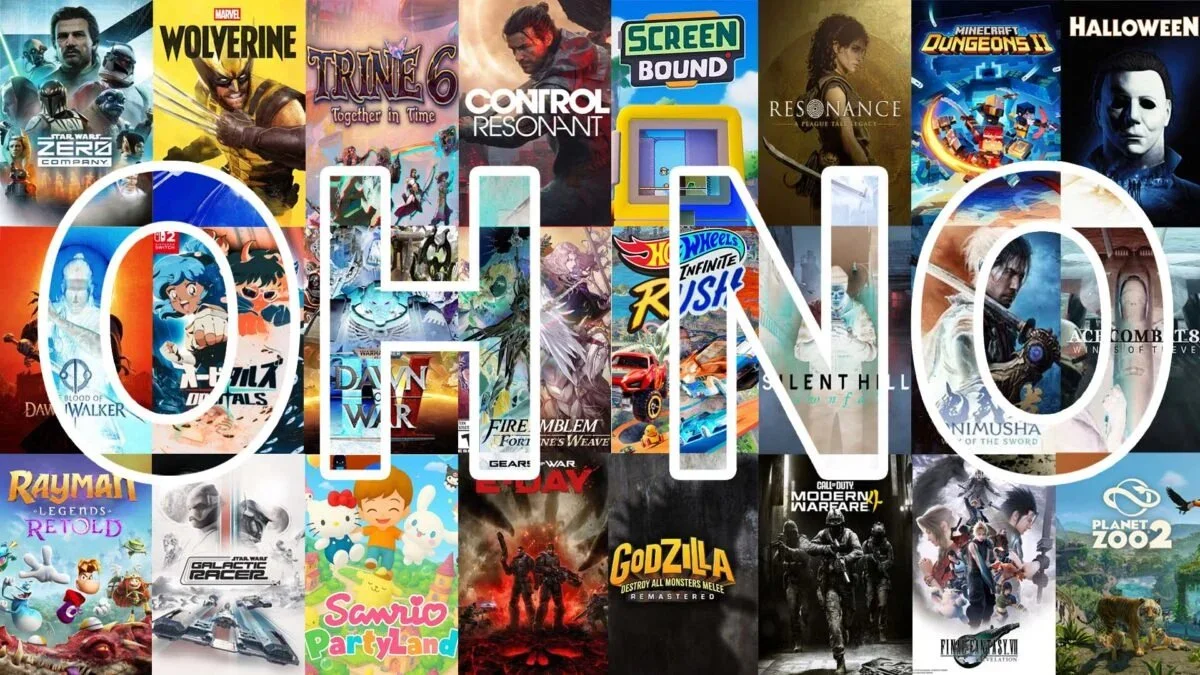
According to Kotaku, the period between late August and early November is now packed with a staggering number of game launches. This concentrated schedule includes everything from massive AAA titles and sequels to retro remasters and indie projects. The sheer volume makes it difficult for consumers to track new content, creating an environment where visibility is constantly challenged.
The Competitive Release Calendar
Grand Theft Auto VI is scheduled for November 19, setting a major benchmark for the industry's attention span. In response, numerous developers have strategically placed their releases throughout September and October. This deluge includes highly anticipated titles across various genres, demonstrating the breadth of current development efforts.
The list of upcoming games highlights this intense competition:
- Resonance: A Plague Tale Legacy is set for August 27.
- Major console ports include Elden Ring Tarnished Edition (Switch 2) on August 28 and Lego Batman: Legacy of the Dark Knight (Switch 2) on September 18.
- High-profile releases such as Dune Awakening are slated for a console release on September 22.
- The horror genre sees multiple entries, including Silent Hill: Townfall and Control Resonant, both scheduled for September 24.
- Other notable titles include Star Wars Zero Company (August 28), Warhammer 40K: Dawn of War IV (September 17), and the highly anticipated Castlevania: Belmont’s Curse on October 13.
The Impact of Market Saturation
While consumers are presented with a vast library of choices, industry experts warn that this density is detrimental to both gamers and developers. The rapid influx of content means that new titles risk being quickly buried by algorithmic feeds and the sheer noise of competing releases. This situation poses significant financial risks for studios; if a game fails to gain traction immediately upon launch, its ability to find an audience later becomes severely limited.
The problem extends beyond mere scheduling. The games media itself faces immense pressure in covering such a massive volume of content. Navigating this landscape requires specialized resources and dedicated coverage, which is often lacking. Ultimately, the current release strategy prioritizes market presence over sustainable visibility for individual titles, creating a challenging environment that may necessitate delays into future years.
The overwhelming number of simultaneous releases underscores the intense pressure on modern game development, forcing studios to compete not just on quality but also on timing and immediate cultural impact.