 EVERYTHING


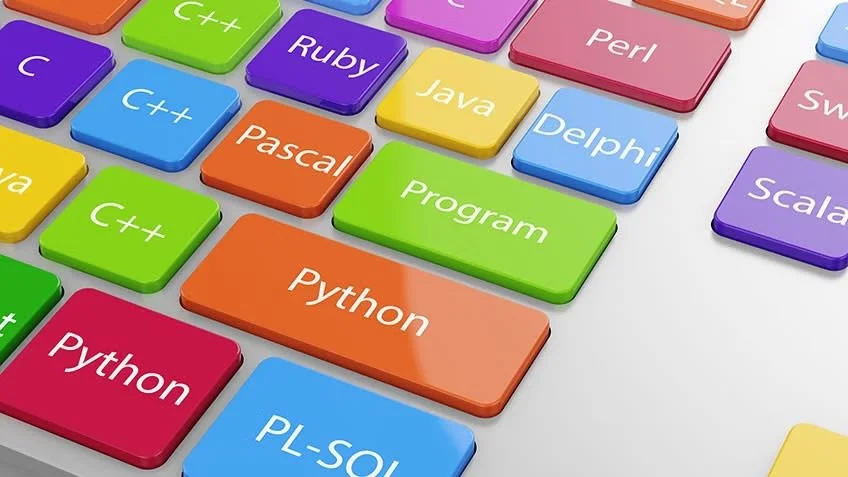
According to Simplilearn, the programming landscape in 2026 represents a strategic blend of stability and innovation. While foundational languages remain core to global software ecosystems, newer entrants are redefining how developers approach speed, security, and scalability across various platforms.
Dominance of Python and JavaScript
Python continues to hold its position as one of the most versatile tools available for modern engineers. It currently maintains a 29.7 percent global share, primarily driven by its deep integration with artificial intelligence, data science, and automation workflows. Its readability makes it a primary choice for beginners while remaining a powerhouse for professional data pipelines.
Simultaneously, JavaScript remains the most widely used language globally, maintaining its lead for over a decade. It is indispensable for front-end, back-end, and full-stack development due to its cross-browser compatibility and massive ecosystem of frameworks like React, Angular, and Node.js.
Enterprise stability with Java
Java remains a cornerstone for large-scale enterprise systems and financial software in 2026. Holding a steady 8.6 percent global share, the language is favored for its reliability and performance in mission-critical environments. Key use cases include:
Emerging trends in high-performance coding
While the "big three" provide stability, teams are increasingly adopting Rust, Go, Kotlin, and TypeScript to meet specific technical requirements. These languages are becoming more common as companies prioritize software that can scale without issues while maintaining rigorous security standards. The choice of language now depends heavily on specific goals, whether a developer is targeting mobile apps, web interfaces, or complex systems engineering.
Ultimately, the 2026 tech environment rewards developers who can navigate both reliable classics and newer tools built for AI and connected devices. Mastering these diverse languages ensures that engineers can adapt to the shifting demands of global software infrastructure.