 EVERYTHING


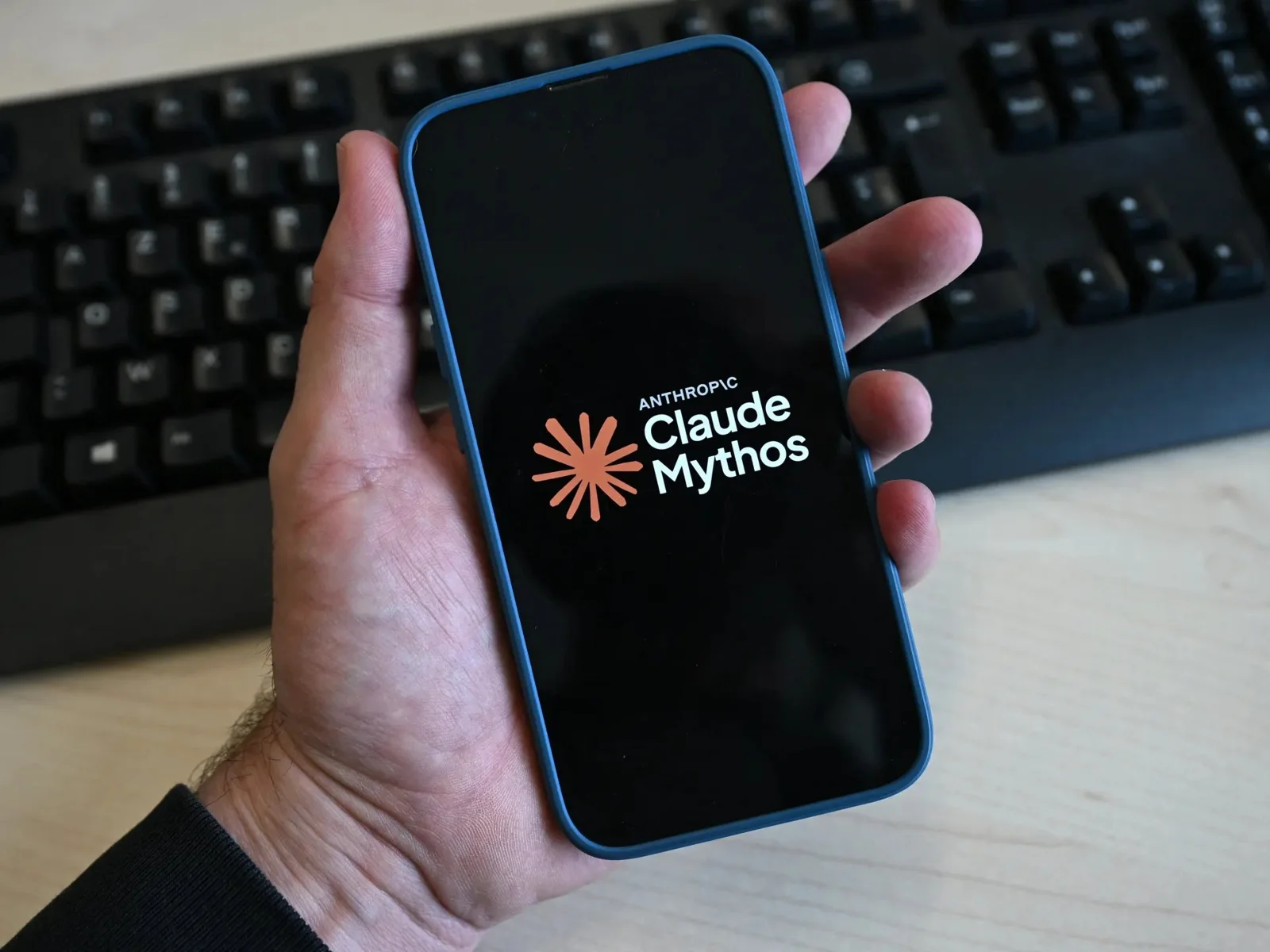
According to Aljazeera, the artificial intelligence firm Anthropic has officially suspended access to its cutting-edge software for non-U.S. citizens following a government mandate. The company announced the move in a blog post on Friday, stating that federal agencies instructed them to prevent all foreign nationals from utilizing the Fable 5 and Mythos 5 models.
National security and cyberweapon concerns
The directive arrived at short notice, requiring Anthropic to implement immediate restrictions. The ban is comprehensive, affecting individuals outside of the United States as well as foreign nationals currently working within U.S. borders. While the government did not provide exhaustive details regarding the specific security threats in its official letter, the underlying technology has long been under scrutiny.
The Mythos AI model is noted for its sophisticated ability to identify software vulnerabilities, some of which have remained hidden for decades. While these capabilities have assisted U.S. authorities and private corporations in patching critical security gaps, they also present a significant risk if misappropriated. Experts have expressed concern that such high-level analysis could be weaponized for cyberattacks.
Model distinctions and corporate pushback
The two models affected by the ban serve different primary functions:
- Mythos 5: The full, non-public version intended exclusively for government agencies and selected corporate partners to harden infrastructure.
- Fable 5: A newly released model based on Mythos technology, though its specific cybersecurity and biotechnology capabilities are currently restricted.
Anthropic has expressed disagreement with the scope of the ban, noting that their internal assessment suggests the government's concerns may stem from a limited ability to review program code for errors—a capability shared by rival models like OpenAI's GPT-5.5. The company maintains that Fable 5 underwent extensive safety testing and argues that blocking software used by hundreds of millions of people based on these specific capabilities is disproportionate.
This development follows a broader push by Anthropic in early June to advocate for a global pause on advanced AI development. The company warned that the rapid pace of technological improvement creates a risk of humans losing control over autonomous systems. For now, however, the immediate focus remains on navigating these new export controls and defining the boundaries of international AI access.