 EVERYTHING


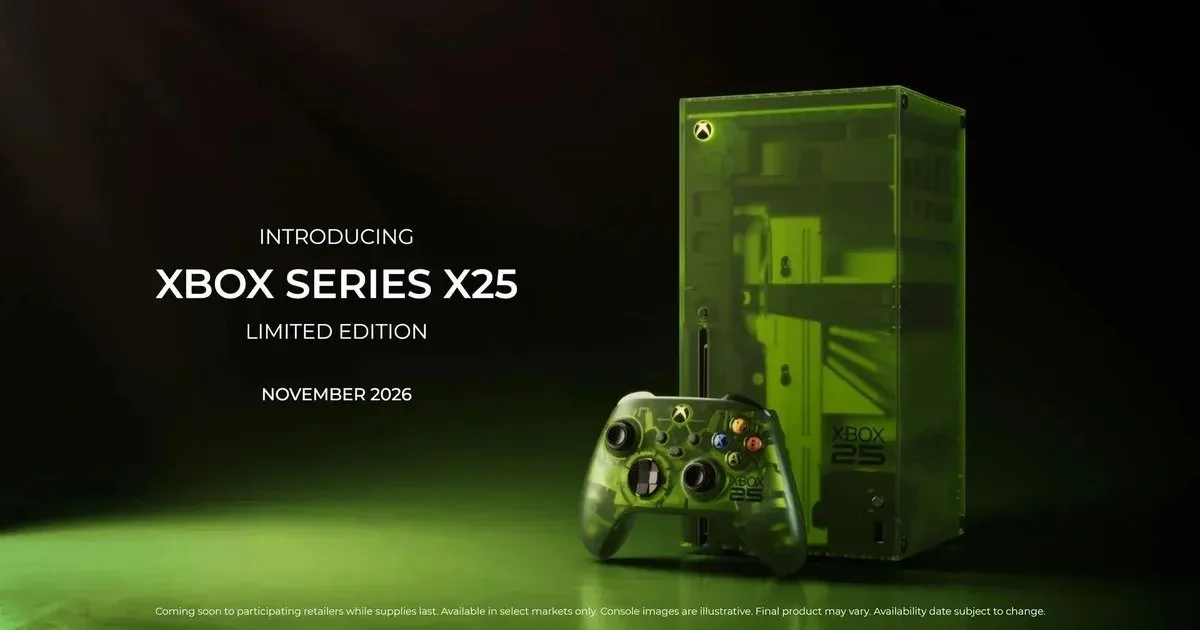
According to Games, Microsoft is moving forward with a substantial price adjustment that brings the Xbox Series X to an $800 retail tag. This shift follows a series of escalating costs across the brand's lineup, including the Xbox Series S, which has seen its price jump from a launch price of $300 to a current $500. These adjustments represent some of the most significant price fluctuations in the modern console generation.
Structural shifts in memory pricing
The primary driver behind these increases appears to be a fundamental shift in the semiconductor market. Martin Hiegl, an executive director at Lenovo, recently addressed the situation during the ISC conference in Germany. He warned that prices for DRAM and NAND flash memory are unlikely to return to their early 2025 levels anytime soon. Hiegl suggested that these elevated costs could represent a "new normal" extending well into 2030.
Lenovo's perspective is particularly significant because the company manufactures PCs and servers that rely on the same supply chains as gaming consoles. The report highlights several factors contributing to this sustained pressure:
A broader trend across gaming platforms
The price hike is not isolated to Microsoft's hardware. The report indicates that Sony and Nintendo are also adjusting their pricing structures significantly within a 12-month window. For instance, the PlayStation 5 disc model has moved to $650, while the PS5 Pro sits at $900. Additionally, Nintendo is expected to raise the price of its upcoming Switch 2 from $450 to $500 on September 1.
These concurrent increases across all major manufacturers suggest that the issue is a systemic supply chain reality rather than individual corporate strategy. For consumers, this means that premium gaming hardware—including accessories and storage expansions—is becoming increasingly expensive. With the Steam Machine entering the market at a starting price of $1,049, the data suggests that waiting for a significant price drop may no longer be a viable strategy for many gamers.