 EVERYTHING


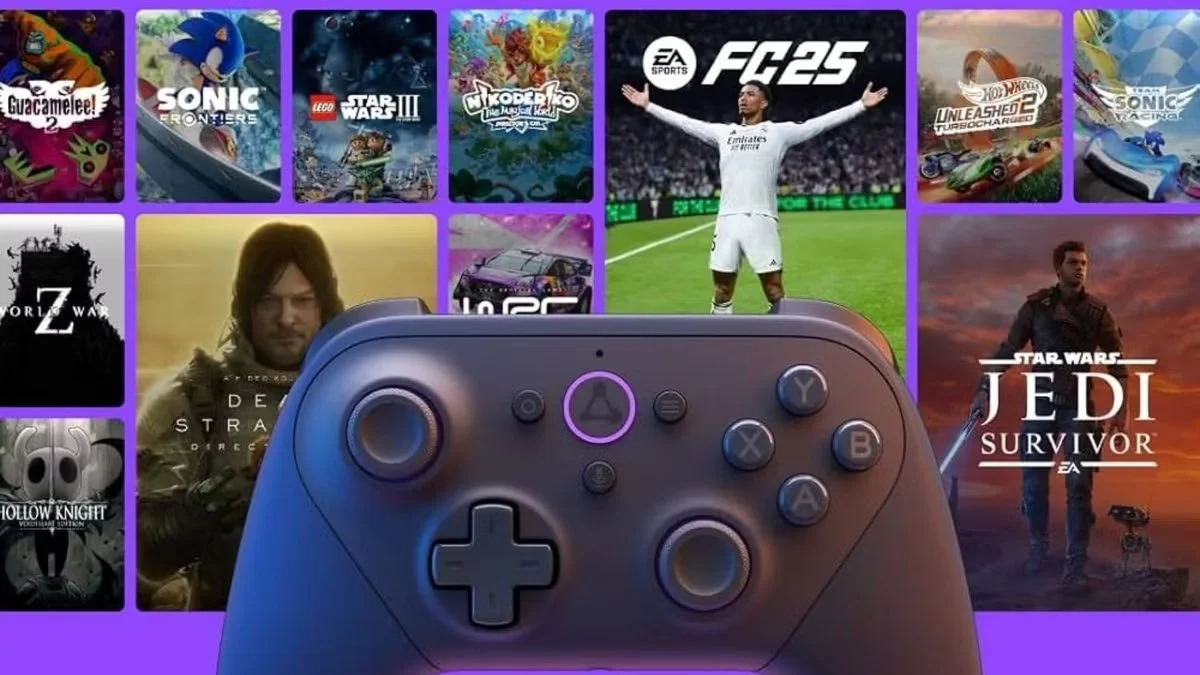
According to Polygon, Amazon Games General Manager Jeff Gattis revealed that the company is restructuring its gaming division to address years of internal fragmentation and inconsistent strategy. After a period marked by canceled projects and fluctuating initiatives, the tech giant is moving toward a model that emphasizes distribution over hardware dominance.
Consolidating fragmented operations
Gattis, who joined Amazon in 2025 after a tenure at Microsoft, noted that the company's previous efforts were hampered by separate business units like Prime Gaming and Luna operating in silos. To rectify this, Amazon is bringing these pieces under one roof to streamline functionality. A key component of this new direction involves acknowledging that Amazon does not need to compete directly with established giants like Steam or traditional console manufacturers.
The company's strategy now targets a much larger demographic: the billions of people who play games but do not own dedicated gaming PCs or consoles. By leveraging its existing Prime memberships, Amazon views itself as potentially holding the world's largest paid gaming subscription base, even if many users are currently unaware of their access to services like Luna.
Lessons from failed launches
The recent trajectory of specific titles illustrates the challenges Amazon faces in this transition. The co-op action game King of Meat serves as a primary example of these hurdles:
These experiences have reinforced a core lesson for Amazon: discoverability is as vital as the quality of the software itself. While the company continues to pursue major intellectual properties, such as the James Bond franchise, its primary goal is now ensuring these titles reach a broad audience through integrated subscription ecosystems.
A shift toward accessibility
By moving away from high-cost AAA and MMO ambitions like New World—which will conclude in January 2027—Amazon is refining its identity. The goal is to mirror the success of platforms like Netflix or Roblox, where content discovery drives engagement for a massive, diverse audience rather than a niche group of hardware enthusiasts.