 EVERYTHING


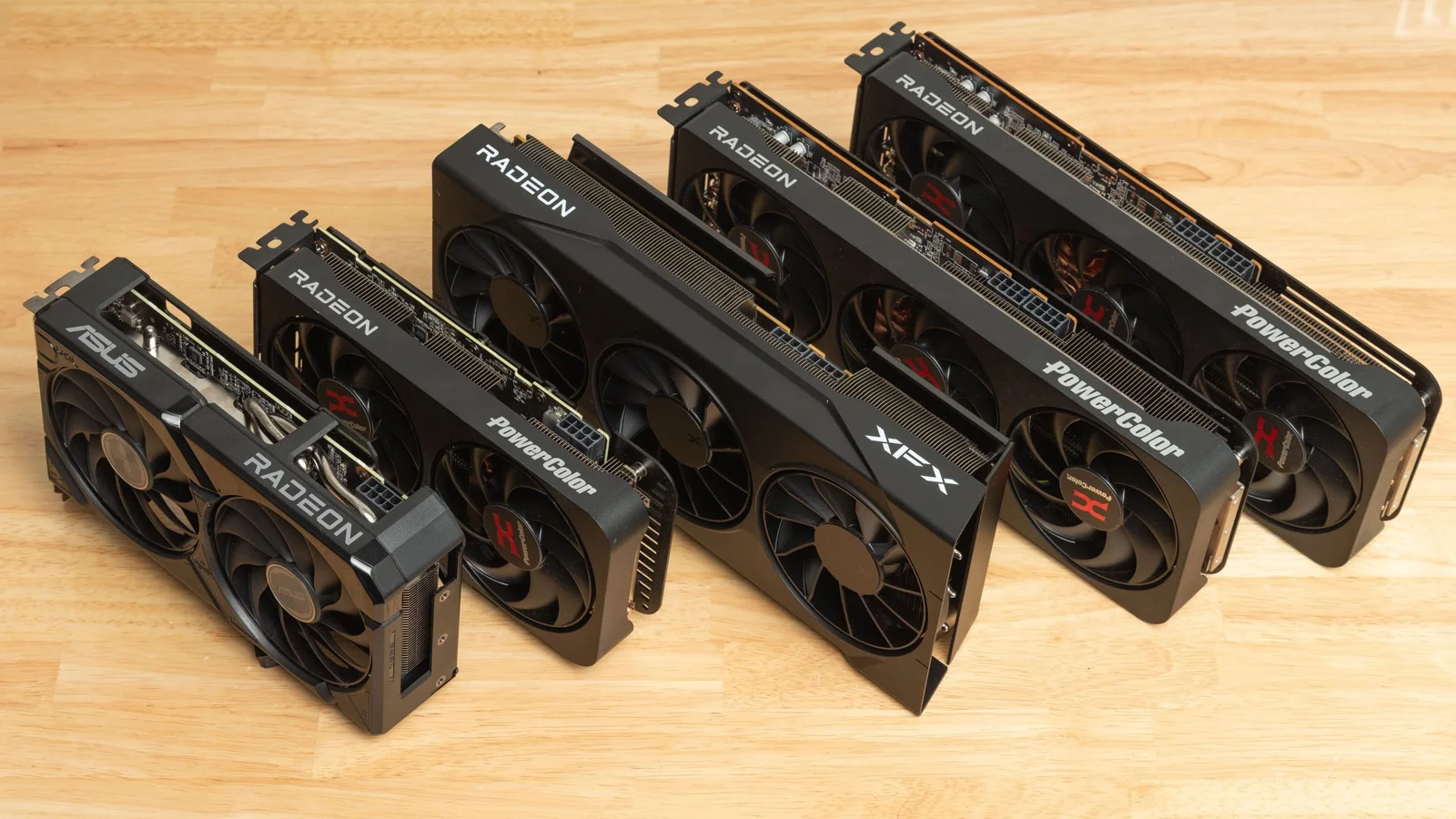
According to Tomshardware, manufacturers present at Computex 2026 offered varying predictions regarding the release window for AMD's RDNA 5 architecture. While some partners suggested a general arrival within one year, others indicated that hardware might not reach retail shelves until late 2027 or even early 2028.
AMD’s Projected Timeline and Technical Focus
The consensus among AIB partners points toward the second or third quarter of 2027 for next-gen AMD graphics cards. However, the actual market availability may differ from the announcement date; for instance, AMD introduced RDNA 5 in late 2027 but the GPUs might not ship until early 2028.
RDNA 5 is rumored to represent a significant upgrade for Team Red, with features such as dual-issue execution currently under development. This focus on delivering a robust product suggests AMD will avoid rushing an incomplete architecture to market. For context, the previous generation, RDNA 4, was first shown at CES 2025 but did not ship until March.
Competitive Landscape and Industry Volatility
The competitive environment remains highly dynamic. Nvidia also debuted its RTX 50 series at CES 2025, and current industry murmurs suggest that Rubin-based gaming GPUs will arrive in late 2027, with similar early 2028 expectations for the RTX 60 series. If these timelines hold true, both major GPU makers would be closely aligned in their product launch schedules.
Beyond the competition between AMD and Nvidia, the broader PC hardware industry is navigating a period of significant turbulence. The rapid growth of the AI boom has shifted focus across the sector, making gaming GPUs one of the least pressing concerns for these large corporations right now. Furthermore, Intel continues to develop specialized graphics solutions, such as its new Arc G3 family for handheld consoles, although the future outlook for dedicated desktop graphics cards remains uncertain.
In parallel markets, next-generation console systems, including Sony's PS6 and Xbox, are still expected to be announced next year. These platforms will also utilize advanced AMD silicon, signaling a continued reliance on Team Red technology across different computing segments.
The convergence of timelines between RDNA 5 and the Rubin series indicates an intense period of innovation is approaching for high-performance graphics hardware in the latter half of the decade.