 EVERYTHING


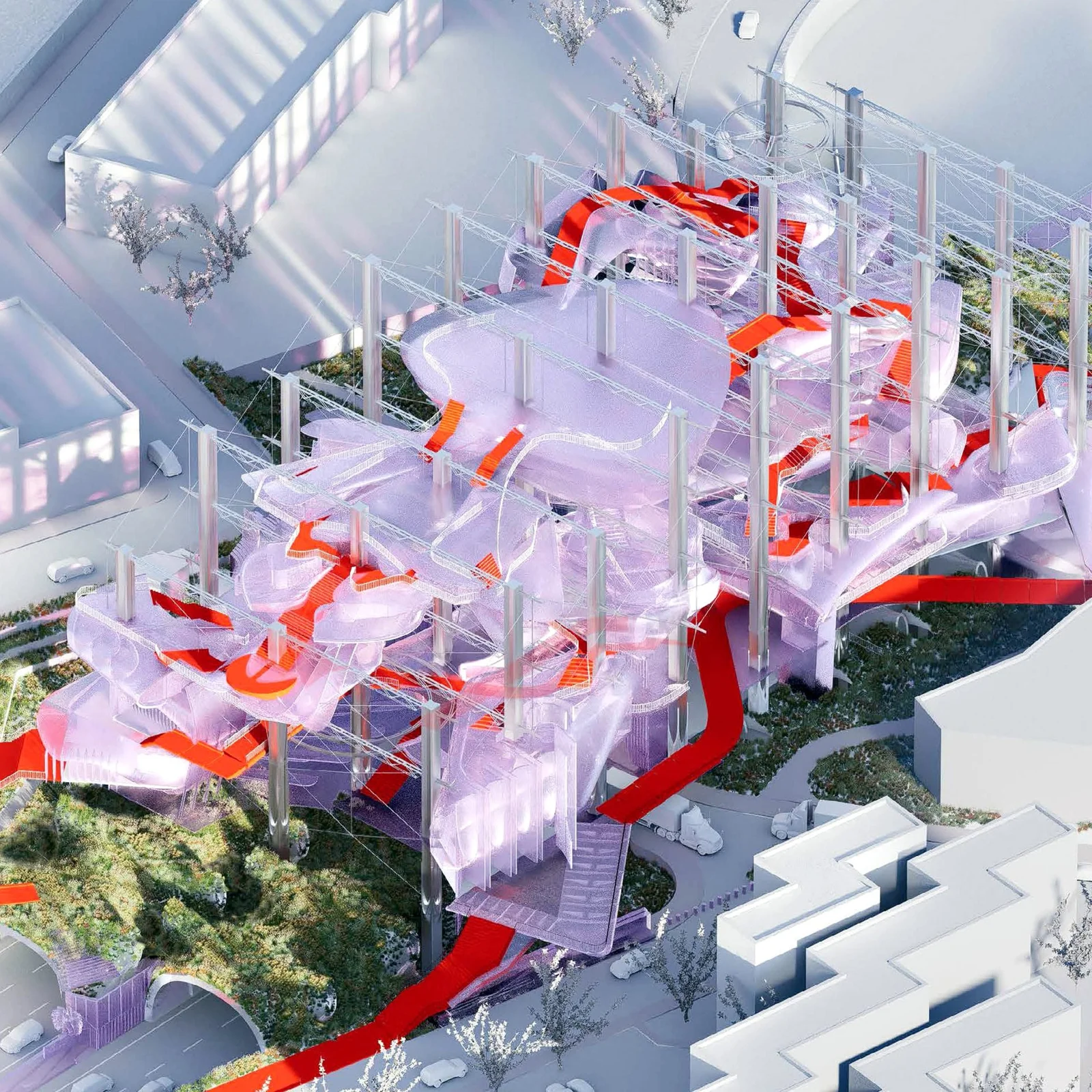
According to Dezeen, The Bartlett School of Architecture has presented its annual Summer Show, showcasing a collection of student works that explore the intersection of architecture and societal needs. The exhibition serves as a platform for students to present radical design thinking to a global audience, highlighting how academic research can translate into tangible urban interventions.
Diplomatic and Cultural Infrastructure
One of the standout projects featured in the showcase is a proposal for a Polish embassy located adjacent to Chicago's Kennedy Expressway. This project exemplifies the school's focus on navigating complex urban environments while fulfilling specific national identities. Other notable entries include a dedicated fishing center on the island of Nkombo in Rwanda, illustrating a commitment to diverse geographical and functional contexts.
The curriculum at The Bartlett School of Architecture supports these varied outputs through several specialized programs, including:
- Architecture BSc (ARB/RIBA Part 1)
- Architectural & Interdisciplinary Studies BSc
- Engineering & Architectural Design MEng
- Architecture MSci and MArch degrees
Social Advocacy through Spatial Design
Beyond large-scale infrastructure, the show emphasizes architecture as a tool for social justice. Sergio Lopez presented "Ni De Aqui, Ne De Alla," a London-based Latin American media agency designed specifically for migrant communities. The project utilizes storytelling as an architectural method to capture lived spatial experiences and community knowledge. Lopez aims to recontextualize the migrant worker by interrogating their presence within bureaucratic systems.
Another significant entry is Parin Nawachartkosit's "Ordinary Grounds: Mediating the Right to Remain." Located in Kentish Town, this project investigates how architecture can function under conditions of economic pressure and displacement. Rather than viewing a site as empty space, the design treats it as a field of existing relationships and material traces. The work focuses on creating porous civic frameworks that support informal care networks and displaced local programs through iterative testing and public engagement.
The Bartlett School continues to position itself as a leading institution by encouraging students to reflect on what architecture has the potential to become in an increasingly complex world. By focusing on themes of migration, cultural integration, and urban constraints, these student projects provide a blueprint for future developments that prioritize human experience over mere aesthetic form.