 EVERYTHING


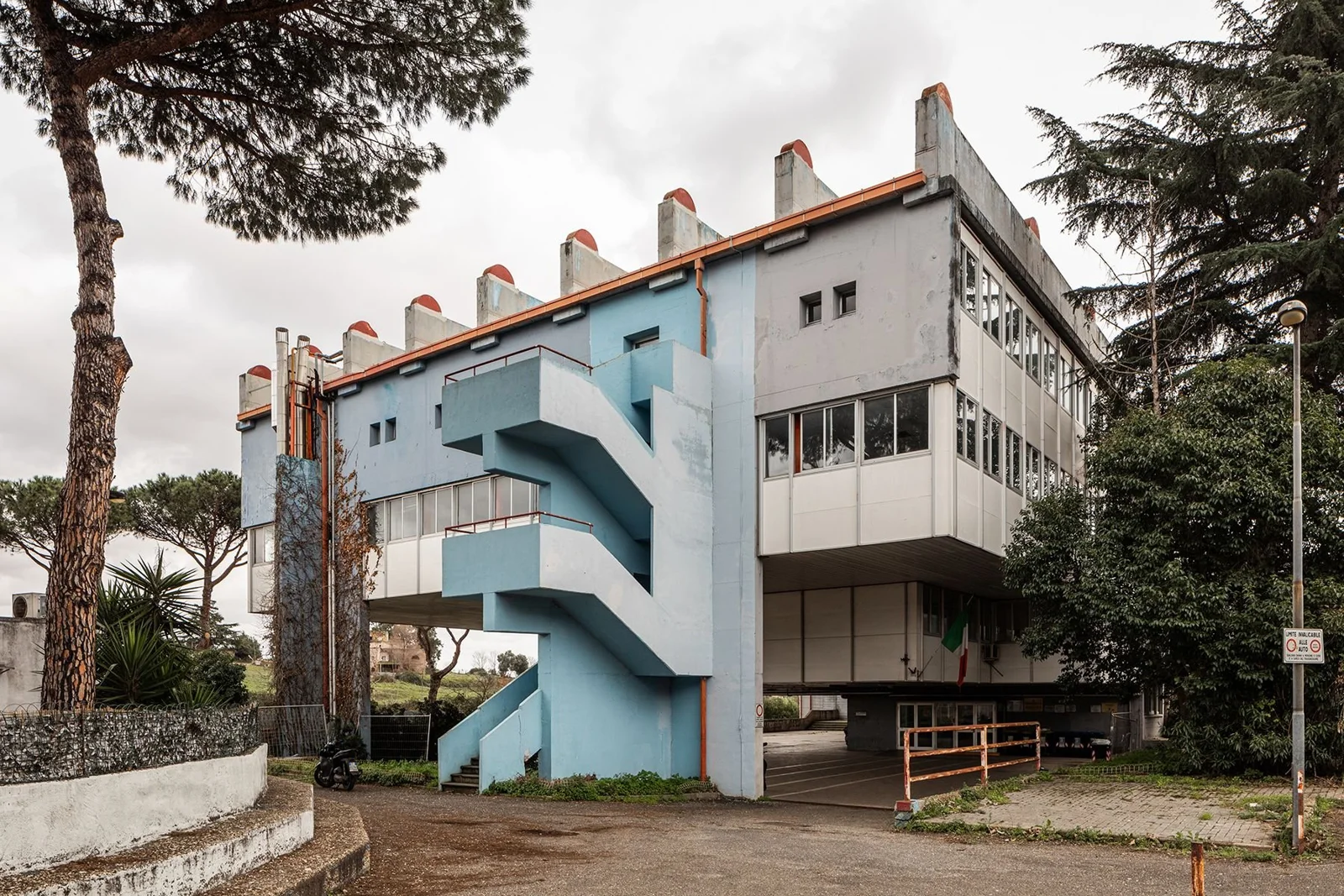
Blue Crow Media has unveiled its newest publication, 'Mappa di Roma Moderna,' a comprehensive architectural map dedicated to showcasing the evolution of Rome through the lens of 20th-century design. According to Wallpaper, this guide moves beyond traditional historical landmarks to spotlight over 50 key examples of modern and contemporary architecture scattered across the city.
Charting the Modern Architectural Landscape
The project serves as a vital resource for those interested in how modernist principles have been applied within one of the world's most ancient cities. The map specifically endeavors to give better representation to contemporary works found in the outer suburbs, acknowledging that Rome’s architectural story extends far beyond its historic center. Key figures and structures highlighted include:
- Liceo-ITIS Alessandro Volta Roma (1983): Designed by Luigi Pellegrin, this structure represents a specific period of late 20th-century educational architecture.
- Aqua-Blue Building (1958): Renato Valle’s design exemplifies the mid-century modern aesthetic prevalent in Italian urban development.
- Centro Idrico Eur (1989): The work by Francesco Palpacelli and Giorgio Romaro demonstrates significant advancements in public infrastructure design during that era.
- British Embassy in Rome (1971): Sir Basil Spence’s contribution provides an example of international architectural influence on the city's fabric.
Notable Contributions to Roman Design
The collection features a diverse range of styles, from rationalist public works to striking residential and religious buildings. The map highlights several significant pieces that define Rome's modern identity. Among these celebrated structures are:
- Palazzetto dello Sport: A landmark design by the renowned structural engineer Pier Luigi Nervi.
- Chiesa di Santa Maria della Visitazione (1971): Designed by Saverio Busiri Vici, this church showcases contemporary religious architecture.
- Luigi Moretti's Palazzina Girasole: This residential piece contributes to the city’s evolving housing solutions.
- Ponte Morandi (1968): Riccardo Morandi’s bridge stands as a testament to sophisticated mid-century engineering prowess.
The publication is part of Blue Crow Media's broader commitment to documenting urban design across various global cities, following successful guides such as those covering Brutalist Boston and Concrete Montreal. The inclusion of original photography by Stefano Perego ensures that viewers see these buildings not just as historical artifacts, but in their current, living state within the modern cityscape.
Ultimately, this cartographic endeavor functions as more than a tourist guide; it offers architectural context, encouraging appreciation for both established masterpieces and overlooked contemporary gems that warrant renewed attention from design enthusiasts worldwide. The map successfully weaves together millennia of history with the dynamic innovations of the 20th century.