 EVERYTHING


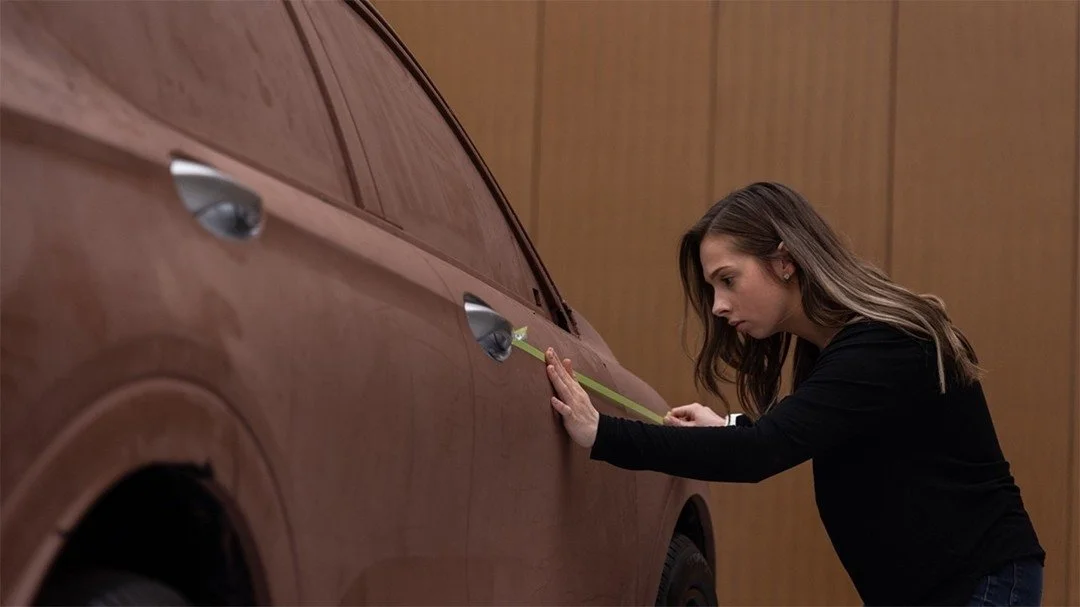
According to News, General Motors is reinforcing the critical role of physical craftsmanship in its design process, even as advanced digital tools and AI accelerate development timelines. For sculptors like Miranda Rumfelt and Tony Tarantino, the journey begins not on a computer screen, but with clay. This technique, pioneered at GM in the late 1920s, remains essential for evaluating proportion, light, and surface quality—elements that technology alone cannot fully replicate.
The Human Element in Automotive Design
Miranda Rumfelt began her automotive sculpting journey at age 13 after working on race cars with her father. She later joined GM’s YMAD (Youth Modelers, Artists, and Designers) program before joining the company full-time in 2022, contributing to concepts such as the Corvette CX. Similarly, Tony Tarantino studied transportation design at ArtCenter College of Design and previously sculpted for Tesla on models including the Semi, Model Y, and Cybertruck. At GM, he has worked on projects like the Sierra HD, Sierra EV, and the Corvette CX concept.
Both sculptors emphasize that while technology is a powerful aid, human creativity provides the vehicle with its core identity. Miranda stated, “We have the power to make someone's favorite car that they love the moment they see, step inside, and get behind the wheel.” Tony added that GM continues to deeply value the clay process while simultaneously pushing design boundaries.
Where Artistry Meets Acceleration
The physical models produced by sculptors are vital for collaborative review. At facilities like Design West, designers, engineers, and program teams gather around these tangible forms from multiple angles. This hands-on approach allows teams to spot opportunities earlier in the development cycle. Simultaneously, AI is streamlining other parts of the workflow.
The integration of technology offers several key advantages:
- AI helps shorten the path from initial sketch to rendering and 3D digital model.
- AI-powered aerodynamic prediction provides early feedback, significantly reducing iterations and rework.
- Digital tools allow designers more opportunities to explore ideas efficiently within the same timeframe.
Ultimately, human judgment remains central to the final design outcome. The result is a stronger partnership between Design and Engineering, leading to a faster path from concept to reality. This spirit of innovation is fostered at locations like the Cole Technical Campus, which serves as a hub where teams imagine, test, and shape GM’s future in EVs, software, and mobility.
The collaboration between traditional artistry and modern technology ensures that while processes become smarter and faster, the emotional connection and soul of the vehicle remain firmly rooted in human creativity. This partnership is actively shaping what comes next for General Motors.