 EVERYTHING


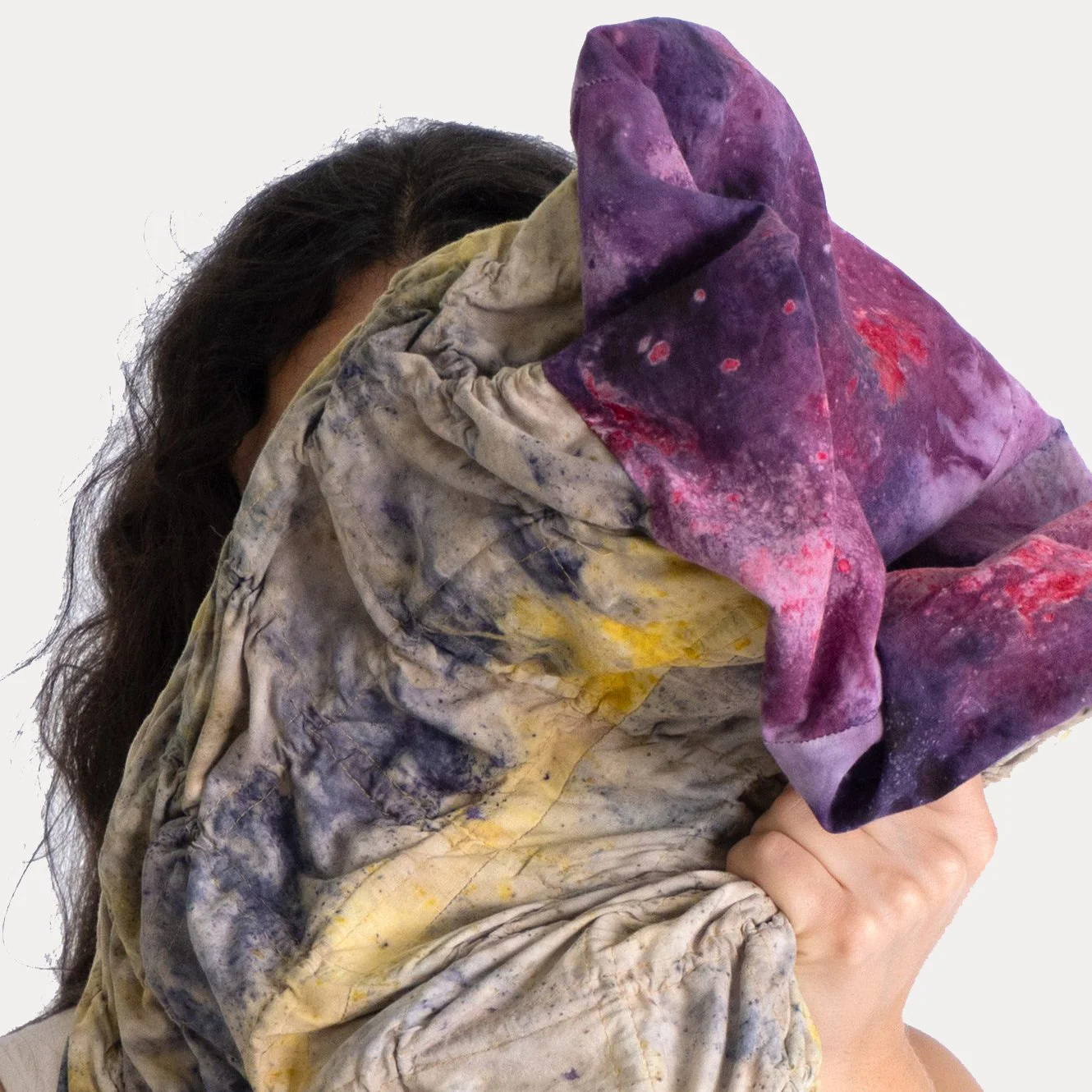
According to Dezeen, the Lucerne School of Design, Film and Art recently presented a series of projects that redefine the role of textiles in contemporary life. The showcase emphasizes the versatility of fabric design, positioning it as a medium capable of addressing psychological needs, social structures, and industrial sustainability. Students from the Bachelor in Textile Design program demonstrated how material manipulation can create tangible impacts on human experience.
Textiles as tools for community and wellness
A primary focus of the exhibition is the intersection of craft and emotional health. One notable project, Weaving Conversations by Alva Tosca Jeker, utilizes weaving as a low-threshold practice to foster social connectedness in an increasingly digital world. The project invites participants without prior expertise to gather and weave together, using individual threads as symbols for emerging collective structures.
The school's curriculum emphasizes several key pillars of modern textile design:
- Promoting emotional wellbeing through sensory fabric experiences.
- Creating open social spaces via accessible weaving techniques.
- Developing sustainable alternatives to fossil-based materials in the automotive industry.
- Merging traditional craftsmanship with digital realm capabilities.
Another student, Anja Rüssli, presented EntFalten, which investigates the spatial possibilities of knitted surfaces combined with pleating. By transforming textiles into three-dimensional structures, Rüssli explores how color and form can interact to create movable spatial elements.
Industrial applications and sustainability
Beyond personal and social spheres, the school is tackling industrial challenges through material science. Bettina Buser developed a linen fabric collection specifically for car interiors in collaboration with industry partner Bcomp. This project aims to provide a sustainable alternative to traditional fossil-based options, proving that high-performance interior coverings can be both aesthetically pleasing and environmentally responsible.
The school's overarching philosophy suggests that textile designers are uniquely equipped to face global changes by leveraging hybrid expertise. By applying skills across fashion, architecture, theatre, and product design, the institution aims to reshape reality through tangible objects. These projects illustrate a shift toward textiles that do more than cover surfaces; they actively shape social spaces and emotional landscapes.