 EVERYTHING


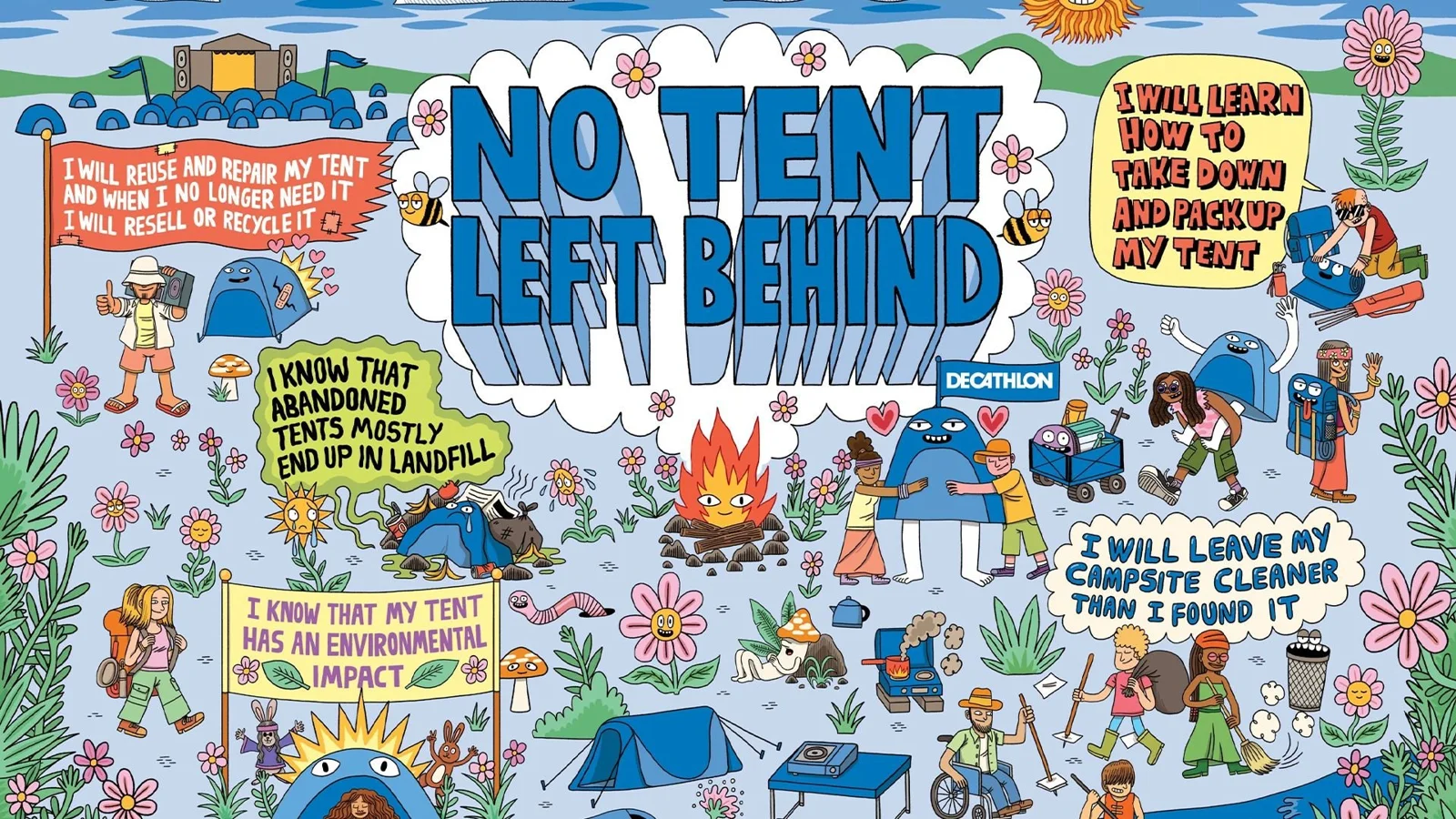
According to Creativebloq, the prevailing trend of 'beige' sustainable design is often a byproduct of creative shortcuts rather than intentional branding. Anna Öhrling, co-founder and CEO of Onward, suggests that many companies resort to muted tones and generic eco-symbols because they lack the experience or strategy required to communicate complex environmental initiatives effectively.
The pitfalls of visual shortcuts
When brand teams are tasked with communicating sustainability without a clear roadmap, they often default to recognizable but uninspired tropes. These include various shades of green, stylized leaves, and recycling symbols. While these elements are intended to signal eco-consciousness, Öhrling warns that such lazy design can actually harm a brand's credibility.
The report identifies three primary reasons for this aesthetic stagnation:
- A lack of experience with sustainability as a core creative pillar.
- The absence of a comprehensive, long-term sustainability strategy.
- Poor communication skills resulting from the disconnect between technical sustainability teams and creative brand departments.
Furthermore, as global regulations tighten, relying on these superficial visual cues can lead to accusations of greenwashing, which carries significant commercial risks for modern enterprises.
Case studies in authentic eco-branding
To counter the 'beige' plague, Öhrling highlights specific examples where brands have successfully integrated purpose into high-impact design. One notable example is Norrsken, a brand advocating for the electrification of Europe’s energy supply. Rather than using dry, corporate visuals associated with renewable energy and venture capital, they adopted a vibrant aesthetic inspired by the electro music scene.
By creating a shareable world around the 'Electro Union' concept, Norrsken managed to secure signatures from major entities like H&M and Oatly. Another success story is Decathlon’s 'No Tent Left Behind' campaign. Recognizing that circularity alone might not excite consumers, Decathlon created a dedicated brand world to promote their tent buy-back and recycling program. This approach successfully turned a logistical sustainability goal into a compelling narrative for festival-goers.
Ultimately, authentic eco-branding requires moving beyond the surface level of aesthetics to find a unique visual language that reflects a company's specific environmental actions. True impact is achieved when design serves as a vehicle for strategy rather than just a decorative layer of green paint.