 EVERYTHING


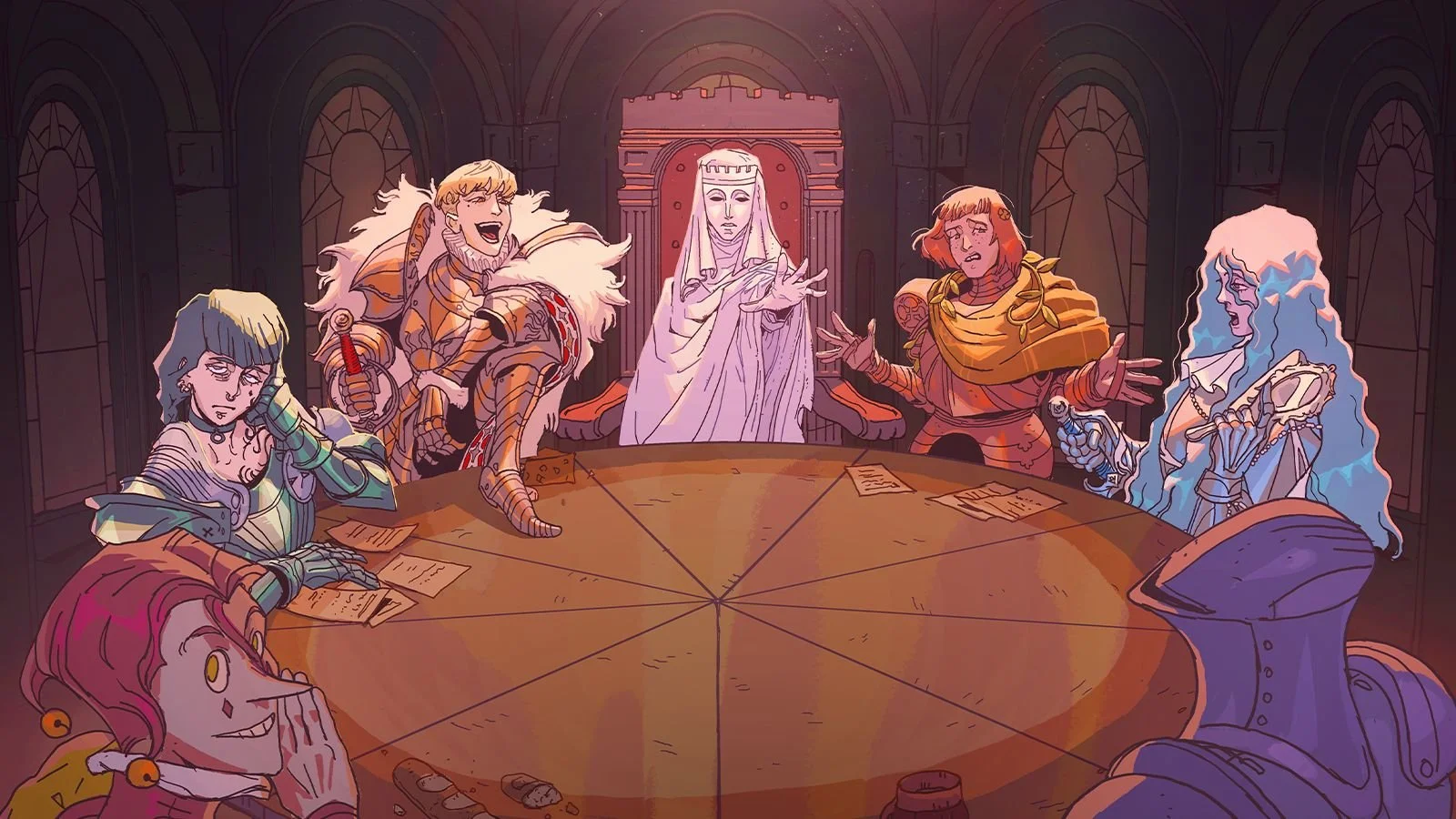
According to Creativebloq, the indie project Sovereign Tower is carving out a distinct niche by rejecting the industry trend toward massive scale. Instead of sprawling landscapes, the developers have focused their creative energy on a single, highly detailed location: a magical tower. This concentrated approach allows for an immersive experience where every character and environment piece functions as a work of illustrated fine art.
Artistic influences and technical execution
The game's visual identity is rooted in the personal style of art director Gobert, who draws heavily from old-school etchings and classical fairy tale illustrations. Specifically, he cites the Russian painter Ivan Bilibin as a primary influence for the project's aesthetic. The team utilizes Photoshop to create these dense character designs before integrating them into the Godot game engine.
By focusing on line art and specific color palettes, the developers aim to communicate personality and narrative intent instantly. This strategy serves two purposes: it provides a high level of visual sophistication while remaining cost-efficient for an independent studio. Gobert noted that working alone on the project made this illustration-led style more viable than a technically demanding realistic approach.
Design principles for indie developers
Beyond the specific aesthetics of Sovereign Tower, the development team has highlighted several core principles for creators looking to establish a unique visual identity in game design:
- Identify the core identity and themes of the project early to ensure uniqueness.
- Maintain strict coherence across all assets so every element feels like it belongs in the same world.
- Limit the color palette to create a stronger, more recognizable brand identity.
- Prioritize stylization over realism to explore fresh and original aesthetics.
The project is scheduled for release on 6 August. By merging Arthurian-inspired medieval fantasy with high-end illustration, Sovereign Tower demonstrates how a focused scope can enhance artistic depth. The success of the game's social media presence suggests that players are increasingly drawn to unique, handcrafted aesthetics over generic high-fidelity environments.