 EVERYTHING


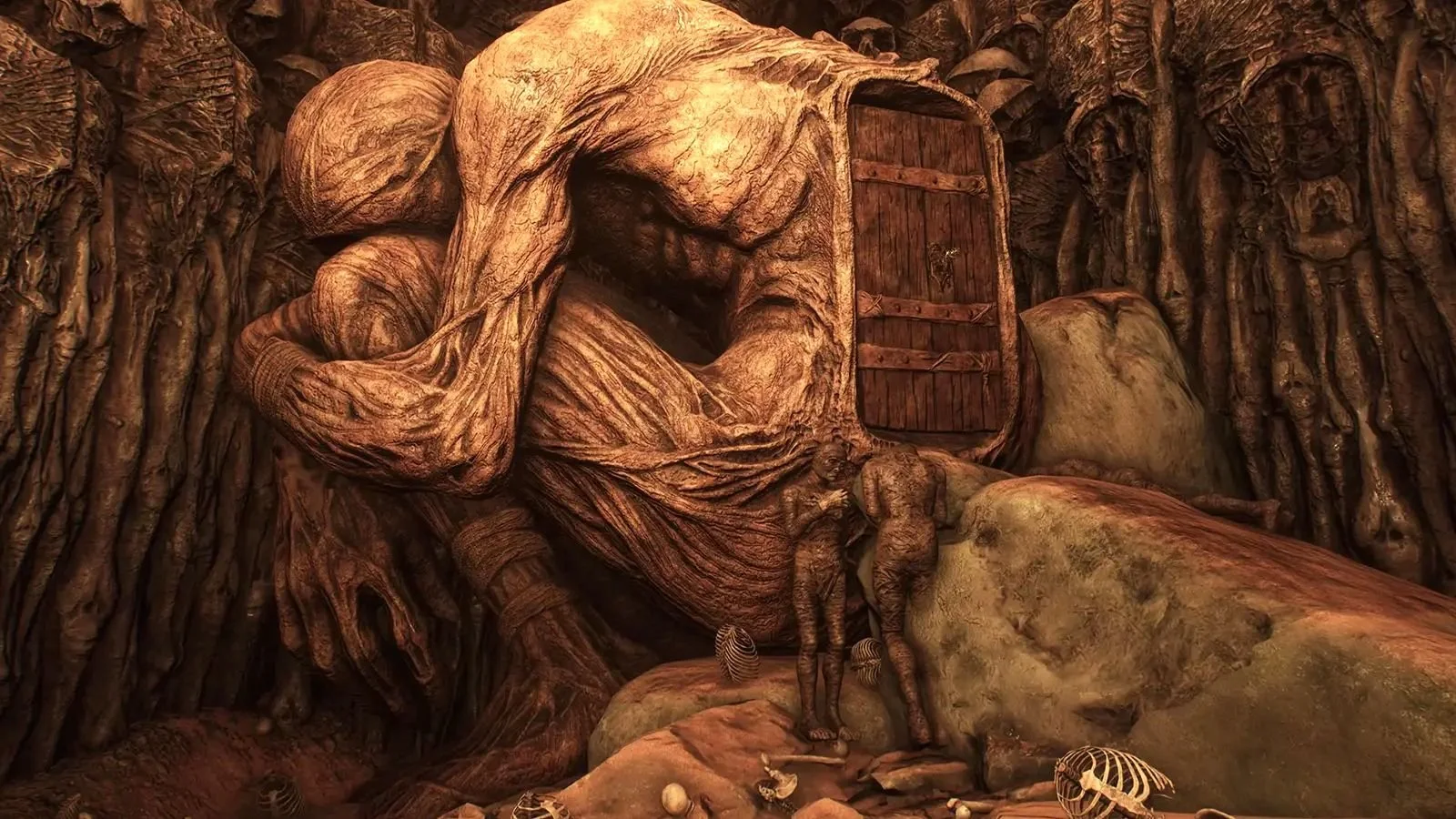
According to Creativebloq, Necrophosis: Full Consciousness stands out as an eerie and atmospheric horror experience that achieves its unique tone through profound environmental storytelling rather than relying on conventional scares. Dragonis aims not merely to copy the works of masters like Beksiński or Giger, but instead allows those influences to blur into a singular, personal vision.
The Philosophy of Decaying Worlds
Dragonis describes his goal as creating something inspired by Beksiński's work rather than replicating it. The result is a world characterized by drifting, decaying environments where the grand scale suggests immense antiquity and loss. In Necrophosis, architecture does not appear built; instead, it feels grown, while lost souls are found embedded within walls, tombs, and temples.
This approach immediately establishes a sense of cosmic weight for the player. Dragonis explains that to achieve this feeling, he established in-game lore suggesting the world exists billions of years after the destruction of the universe. This concept instantly places the viewer into a subconscious state of awe and dread.
Redefining Cosmic Horror
When asked how he translated Lovecraftian cosmic horror without resorting to typical tentacles or eyes, Dragonis emphasized the importance of scale and mystery. He views cosmic horror as something grand—a feeling that transcends specific stereotypes. The game functions like a museum for gods, where powerful deities are now merely monuments and trophies.
This narrative choice forces the player to confront insignificance against an even more mysterious backdrop. Dragonis notes: "Through narration, story, and visuals, I point out to the player that everything is insignificant compared to something even more mysterious — our protagonist." This sets a state where the mind begins imagining the unthinkable.
The Instinctual Creative Process
As all visuals are solo work by Dragonis, the creation process itself mirrors the game's themes of emergence and decay. He describes his design as an art piece slowly emerging from his subconscious. The elements that define Necrophosis include:
- Gods functioning as ancient relics rather than active entities.
- Architecture that appears organically grown into the landscape.
- The integration of lost souls embedded within structures, adding a layer of tragic history.
Dragonis spends extensive periods designing levels based on instinct, blending traces of Beksiński’s haunted landscapes with Giger’s biomechanical creature design without ever settling fully into either style. This fluid approach ensures the world remains uniquely personal and unsettling. The final result is a deeply immersive experience where every detail contributes to the overwhelming sense that something terrible happened long before the player arrived.
Ultimately, Necrophosis succeeds by transforming abstract cosmic dread into tangible environmental decay, offering players a profound journey through an ancient, forgotten universe.