 EVERYTHING


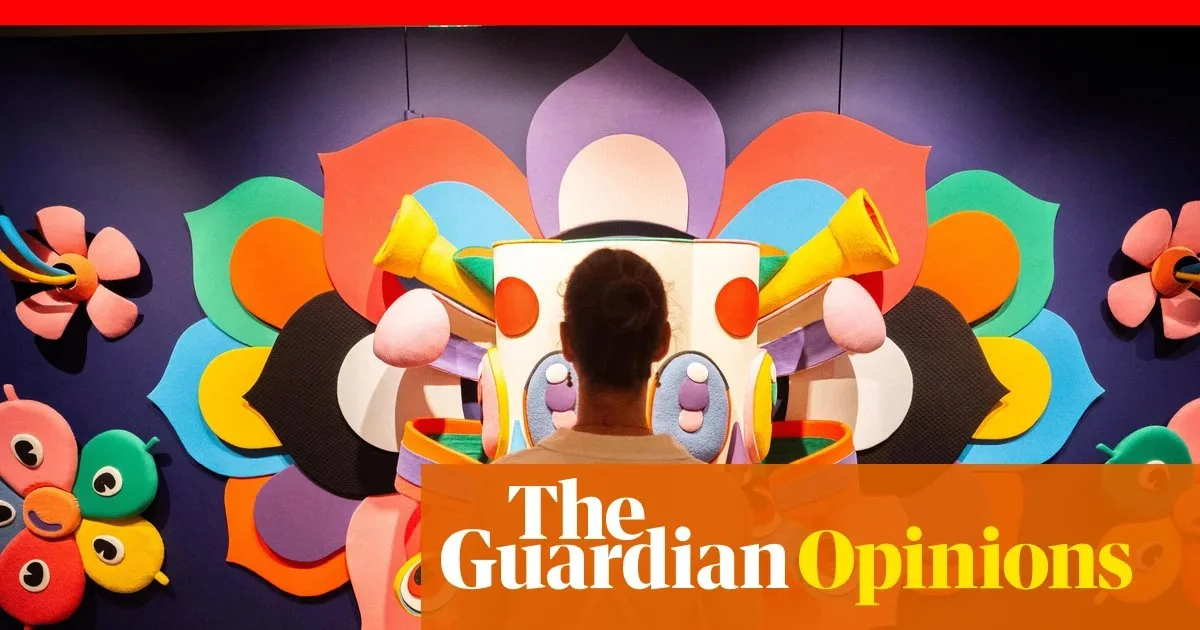
The opening of this specialized center represents a major shift in how visual arts are viewed within Britain. According to The Guardian, the initiative addresses the historical marginalization of illustrators, who have long been caught between fine art and publishing. Housed in a cleverly repurposed 17th-century former waterworks in London’s Clerkenwell, the center celebrates both the rich history and future potential of illustration across all its forms.
The Essential Role of Visual Literacy
Illustration is often cited as our first encounter with art for many individuals. Picture books are fundamental to childhood development, allowing very young children to engage with narratives even before they can read independently. As Sir Quentin Blake has noted, these visual aids enable early comprehension and engagement. Beyond the realm of children’s literature, the importance of visual literacy extends into adult life; images shape our understanding of the world through everything from commercial cereal packets to political propaganda.
The center highlights how illustrations reflect shifting cultural sensibilities and serve as powerful communicators. The scope of the collection includes:
- A vast archive containing 40,000 drawings by Sir Quentin Blake.
- Exhibitions charting the progression of marginalized voices into mainstream culture.
- Works demonstrating how visual narratives transcend linguistic barriers.
Narrative Power: Text Meets Image
The power dynamic between text and image is a central theme explored at the new center. Graphic memoirs, such as Marjane Satrapi’s Persepolis, demonstrate how the genre can convey experiences with profound intensity that words alone cannot achieve. Satrapi's account of growing up during the 1979 Islamic revolution became an international sensation in 2000.
This interplay is widely recognized by creators. Maurice Sendak, author of Where the Wild Things Are, discussed the concept of a "counterpoint" where "Words are left out – but the picture says it. Pictures are left out – but the word says it." Similarly, Michael Rosen’s We’re Going on a Bear Hunt would have taken a different trajectory without Helen Oxenbury's illustrative contributions, transforming a fable into a relatable family adventure.
Industry Recognition and Future Challenges
Despite the growing recognition from institutions like the National Gallery and the British Library, illustrators still face systemic challenges, including a lack of easily accessible sales data and insufficient credit in reviews. The UK currently trails several European nations; for instance, France officially recognizes comic books and graphic novels as "the ninth art."
The future of illustration faces threats from artificial intelligence, yet the enduring value of human artistry remains undeniable. The unique qualities—whether it is the cosy details found in Shirley Hughes’s pictures or the energy present in a Blake drawing—are what give these works their lasting impact on generations of readers. This national institution signifies that illustration is finally being treated with the seriousness and cultural weight it deserves.