 EVERYTHING


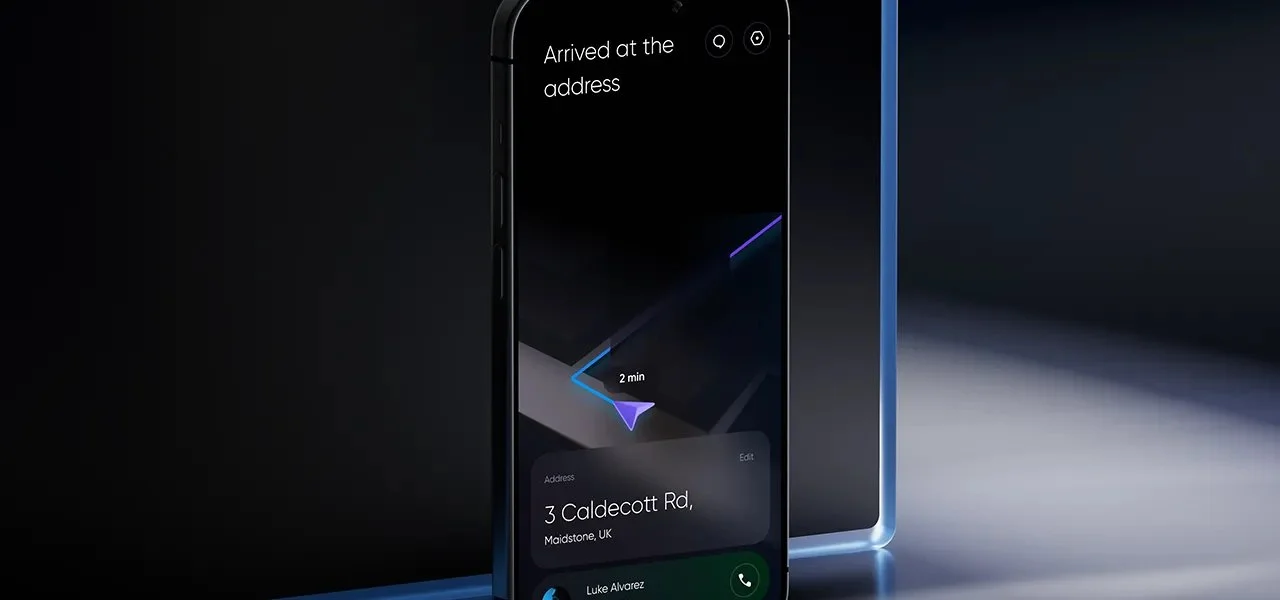
Designscene reports that expressive design holds significant power in modern product development. While strong visuals can make a product feel more relevant and desirable, Pavliuchenko emphasizes that this expression must be tightly controlled. His approach focuses on turning complex technology into clear, premium digital experiences that help companies communicate value and earn user trust.
The Philosophy of Controlled Expression
For Pavliuchenko, controlled expressiveness means deploying strong visual decisions only when they actively improve the product's clarity or memorability. He cautions against the common pitfall where design teams layer too many effects—such as glow, motion, and 3D elements—resulting in interfaces that look impressive in a presentation but confuse users during actual interaction.
His work spans diverse sectors, including automotive UI (for OPPO), AR concepts (Mitsubishi), and large-scale platform redesigns for Scandinavian Airlines. He has also delivered precision guideline-driven interface work for Google Merchant. This breadth of experience informs his belief that design must define how advanced technology looks, feels, and communicates to its intended audience.
Principles Beyond the Hero Screen
When establishing a visual direction for a large digital product, Pavliuchenko argues against judging success solely by the initial landing page or "hero screen." He states: "A hero screen can hide almost anything. It has perfect text, perfect spacing, perfect composition. Then the product grows... That is where the real quality shows."
At Hosanna Studio, he prioritizes testing on what he calls the 'uncomfortable screens'—such as dashboards, error states, or empty data views. His non-negotiable principles dictate that visual effects must have a clear purpose:
- Motion should strategically move user attention.
- 3D elements must help clarify or make the product feel more tangible.
- Dark interfaces must remain fully readable and functional.
Ultimately, he asserts that a truly premium digital product cannot rely on mood alone; it must function flawlessly across all touchpoints.
By starting the design process with the areas where the product will face the most pressure—such as when users have no data or too many filters—Pavliuchenko ensures that controlled expressiveness serves functionality, rather than overshadowing it. This disciplined approach allows companies to build a distinct visual character while rigorously protecting usability and hierarchy.