 EVERYTHING


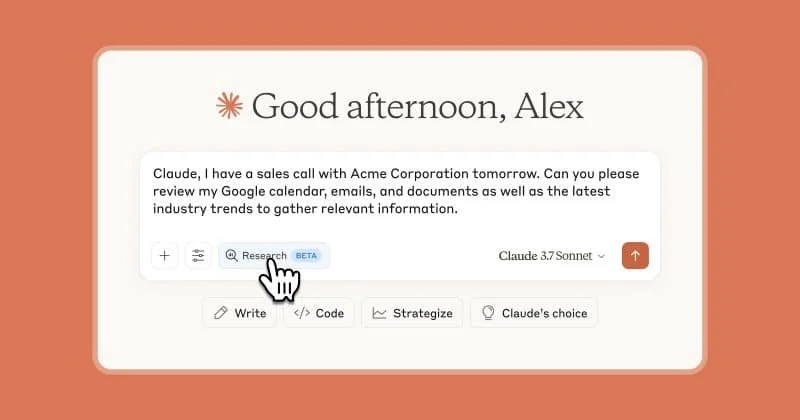
According to Cryptobriefing, the launch of Claude Design has sent shockwaves through the design software sector, exposing a fractured relationship between Anthropic and Figma. While the two companies were active collaborators just weeks prior, Anthropic's move into interactive prototyping tools has positioned it as a direct competitor in the visual creation space.
A rapid shift from partnership to rivalry
The friction became visible through high-level leadership changes and immediate market reactions. Just three days before Anthropic unveiled its new tool, Figma's chief product officer, Mike Krieger, resigned from the company's board on April 14, 2026. Shortly thereafter, on April 17, Anthropic released Claude Design for paid subscribers. The announcement triggered a sharp decline in Figma’s stock price, which plummeted between 6% and 7.7% as investors reacted to the potential threat.
The timeline of this shift is notably compressed. In February 2026, the two companies were working together on a feature known as "Code to Canvas," which aimed to integrate Claude-generated code into Figma's existing design environment. However, the transition from integrated features to competing products occurred in less than two months.
Targeting non-professional users
While Figma currently maintains an estimated 80% to 90% market share among professional UI/UX designers, Anthropic appears to be pursuing a different demographic. Claude Design focuses on:
The tool, powered by the Claude Opus 4.7 model, excels at rapid ideation but currently lacks the robust real-time collaboration and mature design systems that enterprise teams rely on for large-scale product consistency.
Implications for future partnerships
This development signals a broader trend where AI providers are increasingly viewed as potential competitors by their own clients. For Figma, the challenge lies in maintaining its lead without Anthropic's seamless integration. For Anthropic, every new tool that competes with an existing partner makes securing future enterprise deals more difficult, as customers now have to weigh the risk of the provider eventually building a competing internal product.