 EVERYTHING


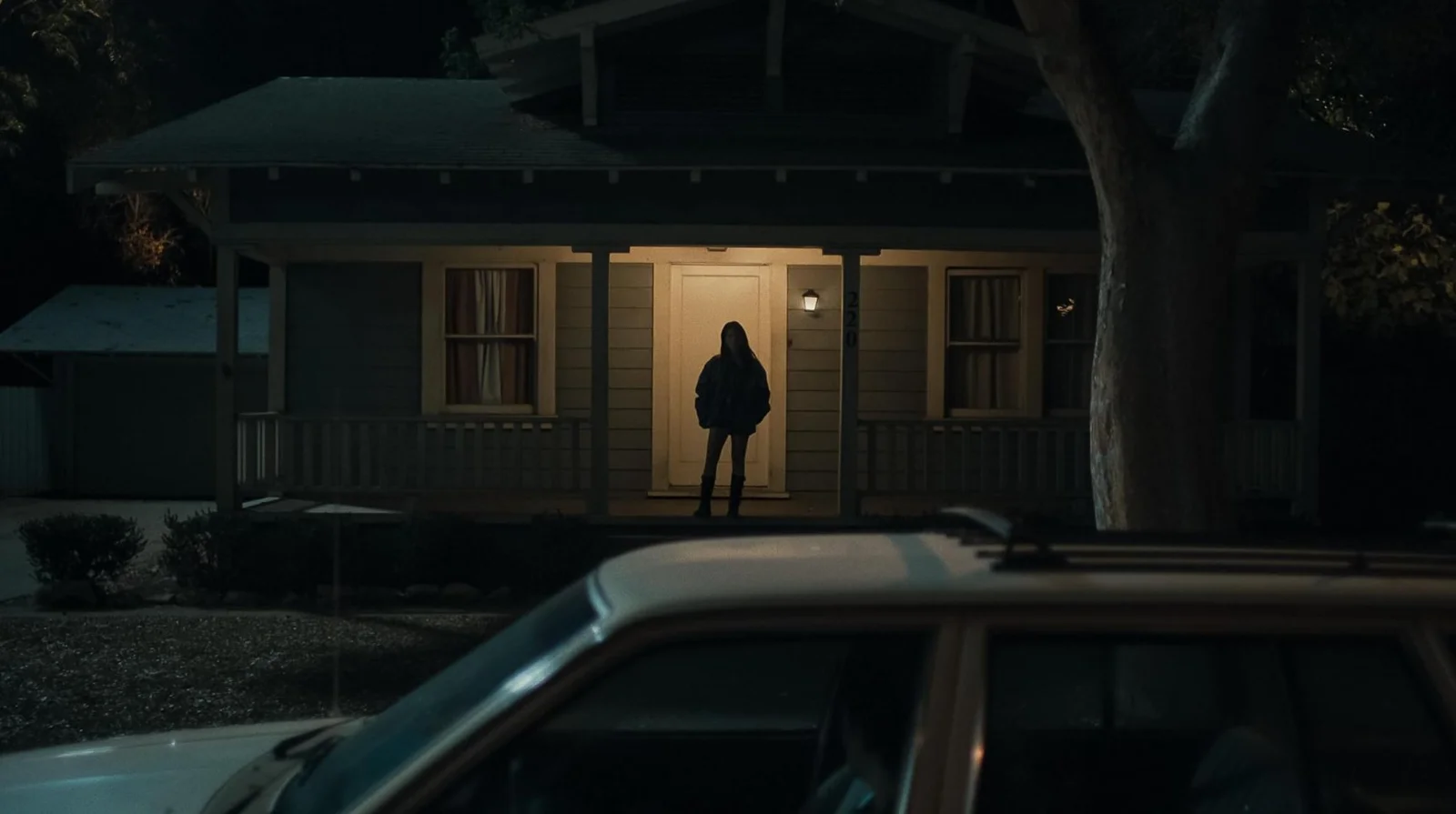
The success of the horror title Obsession has drawn attention to the often-unseen financial realities faced by creative professionals behind the scenes. Sally Choi, who served as the Art Director for the Blumhouse production, voiced her dissatisfaction with her remuneration after the film achieved blockbuster status.
According to Gamereactor, Choi shared details on Instagram regarding her payment structure. She reported being compensated at a rate of $300 per day, which totaled approximately $6,741 after taxes for 20 days of work. Furthermore, she noted that this compensation did not include any mileage reimbursement.
The Disparity Between Budget and Gross
Obsession was originally developed as an extremely low-budget feature. Initial reports suggest the production cost around 7.1 million kronor. This modest investment has translated into a colossal global gross, projected to exceed $250 million—a figure roughly equivalent to 2.4 billion kronor.
The stark contrast between the minimal initial budget and the massive final revenue stream underscores a systemic issue in the industry. While the film’s financial explosion benefits studios and major investors, many crew members receive fixed compensation that does not allow them to share in the upside of such monumental successes.
Reflecting on Career Choices
Choi expressed deep regret regarding her professional decisions while working on the project. She wrote about feeling she should have advocated more strongly for better terms before accepting the job. "I kick myself every single day for not flipping this production. I was encouraged not to and I naively listened," — Sally Choi.
This sentiment highlights the precarious position of many specialized creatives in independent filmmaking. The power dynamic often favors producers and studios, leaving those responsible for the artistic execution with limited leverage when negotiating contracts. This situation serves as a potent reminder that even low-budget projects can become massive financial phenomena, yet the compensation structure frequently remains unchanged.
The Broader Industry Imbalance
The incident surrounding Obsession is not unique; it represents a recurring tension within the film industry regarding labor value versus intellectual property returns. While some argue that fixed salaries are standard for specific roles, critics point to the lack of backend participation as an ethical concern when projects achieve such extraordinary financial heights.
Ultimately, the story of Sally Choi and Obsession forces a critical examination of how wealth is distributed within creative industries, particularly when small-scale efforts yield global, multi-million dollar returns. The conversation surrounding fair compensation for technical and artistic staff continues to evolve in response to these high-profile examples.