 EVERYTHING


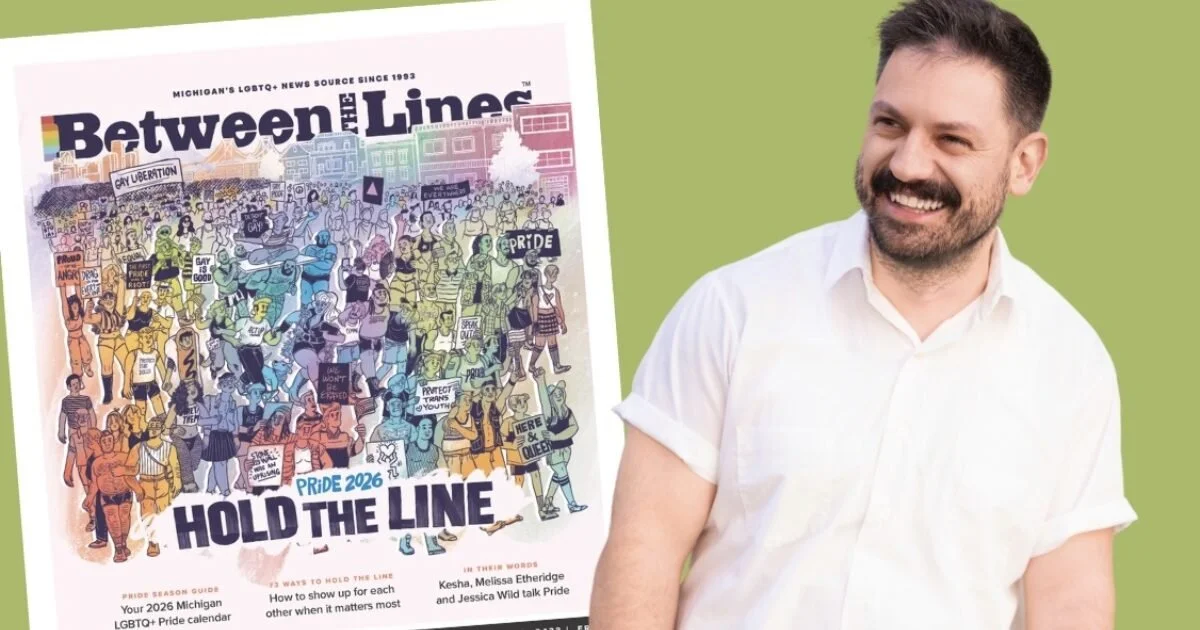
According to Pridesource, Bill Ferenc, known for his distinctive eye for gesture and form in Detroit's creative scene, created the cover art for Between The Lines' June 4 issue. His illustration directly addresses the current climate where queer visibility is under increasing pressure from multiple angles. The piece visualizes a crowd marching forward with arms linked and signs raised, embodying a message of unity while honoring the specific iconography of queer struggle.
The Urgency of Unity and Resistance
Ferenc emphasized that the core strength of his image lay in the concept of standing arm-in-arm. He sought to capture a sense of collective power without homogenizing individual experiences, noting that everyone in the illustration exhibits joy and resistance in their own way. This diversity is key; some figures are dancing, others are stalwart, and still others let their signs or outfits speak for them.
Ferenc stated: "I wanted to capture a sense of unity while honoring our legacies. Arms linked. Hearts lifted. Don’t leave anyone behind." This sentiment underscores the importance of continuous visibility and support for all members of the community, regardless of their identity or how they choose to express themselves.
Drawing from Protest History
The design process was deeply rooted in historical context. Ferenc noted that protest signs were a critical aspect of the piece, leading him to review historical images for relevant phrases and iconography. He aimed for an image that could resemble any city at any period, while simultaneously weaving in specific Detroit elements to ground the work locally.
The illustration serves as a visual dialogue with past movements. By drawing from both present and past messaging, Ferenc created a piece that acknowledges the battles won for rights while maintaining vigilance against ongoing threats. The artwork functions not just as decoration, but as a powerful declaration of endurance in the face of adversity.
Art as Community Action
For Ferenc, making art for good has always been intrinsically linked to showing up for community. His work reflects an understanding that visibility is not passive; it requires active participation and defiance. The piece serves as a reminder that progress must be continually defended, ensuring the full spectrum of identities remains represented in public discourse.
Ultimately, Ferenc’s cover art transforms historical protest into a vibrant, contemporary statement about resilience, cementing its place as a powerful visual artifact for the LGBTQ+ community.