 EVERYTHING


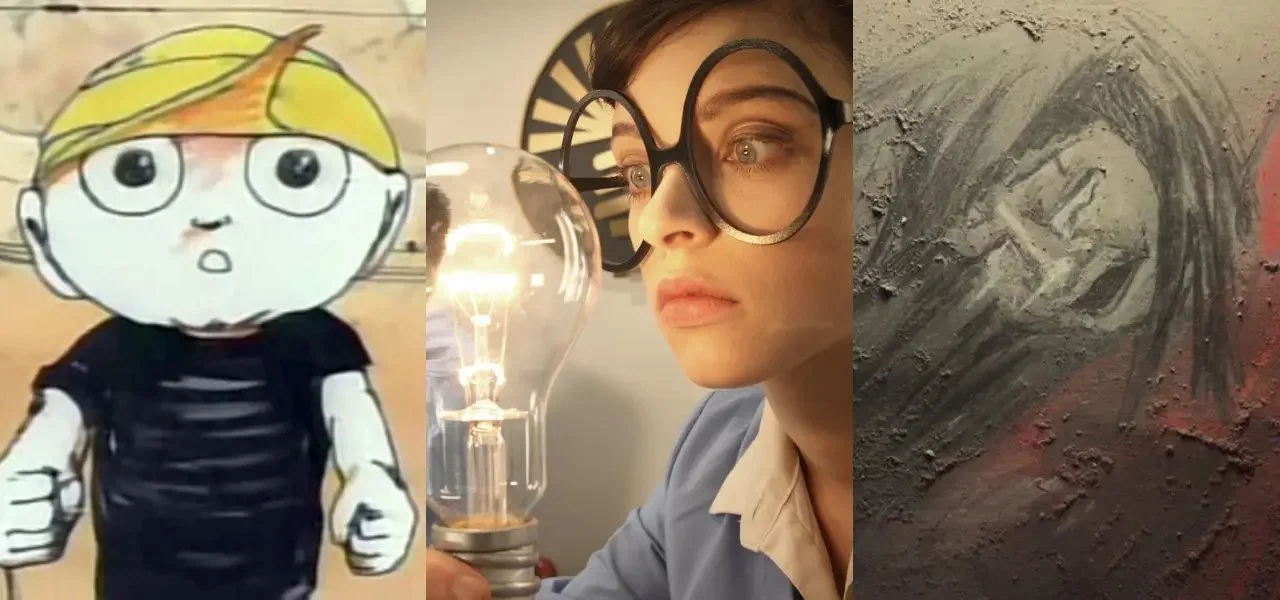
According to Cartoonbrew, the journey of animation is often marked by challenges that go beyond the final polished frame. Animators Koji Yamamura and Juan Pablo Zaramella detailed how technical limitations, demanding schedules, and external pressures can derail even the most meticulously planned projects.
The Pressure of Tight Deadlines
Koji Yamamura discussed his experience producing Bavel’s Book, a five-minute short film. The project faced an extremely tight timeline, requiring only one month for completion, which included drawing, voice actor auditions and recording, music composition, and post-production. This compressed schedule forced significant compromises on the artistic vision.
Yamamura noted that he was unable to realize his initial storyboard concepts due to time constraints. Furthermore, as it was his first time using a specific animation application, his technical proficiency was limited. To meet the deadline, he made several difficult decisions:
- Reducing the total number of drawings used in the film.
- Lowering the overall quality and complexity of the movement.
- Accepting an unsatisfactory structure because there was insufficient time for detailed editing.
This experience taught Yamamura the importance of creative autonomy, especially when working on television projects where deadlines are often outside the creator's direct control.
Creative Conflict: The Case of Luminaris
Juan Pablo Zaramella recounted his work on Luminaris, a project originally inspired by an Argentine tango called “Lluvia de Estrellas.” His initial plan was to create a choral narrative set in 1940s Buenos Aires, following the song’s melodies and harmonies while utilizing stop-motion clay puppets.
The primary obstacle arose during his residency at Fontevraud. Despite traveling with great enthusiasm to focus on the project, Zaramella found the historical weight of the location overwhelming. The abbey, which had been transformed into a prison and then a cultural center, presented a powerful atmosphere that clashed fundamentally with the sunny, vibrant culture he intended to depict from Buenos Aires.
Overcoming Creative Block
The presence of Fontevraud led to a severe creative block for Zaramella. Unable to connect with his original vision, he spent hours walking in circles. Rather than forcing the initial concept, he decided to discard it entirely and begin developing new ideas from scratch. This process involved writing completely new stories daily.
To alleviate the pressure of the residency's outcome, Zaramella began taking photographs around the vast site and experimenting with pixilation using himself as an actor. Ultimately, these unplanned activities helped shift his perspective, demonstrating how external environments can force a radical, yet necessary, pivot in artistic direction. Both case studies underscore that production is not merely about execution; it involves navigating complex technical limitations and unpredictable creative forces.
The struggles detailed by Yamamura and Zaramella serve as a reminder that the creation process is inherently messy, requiring resilience and adaptability when faced with real-world constraints.