 EVERYTHING


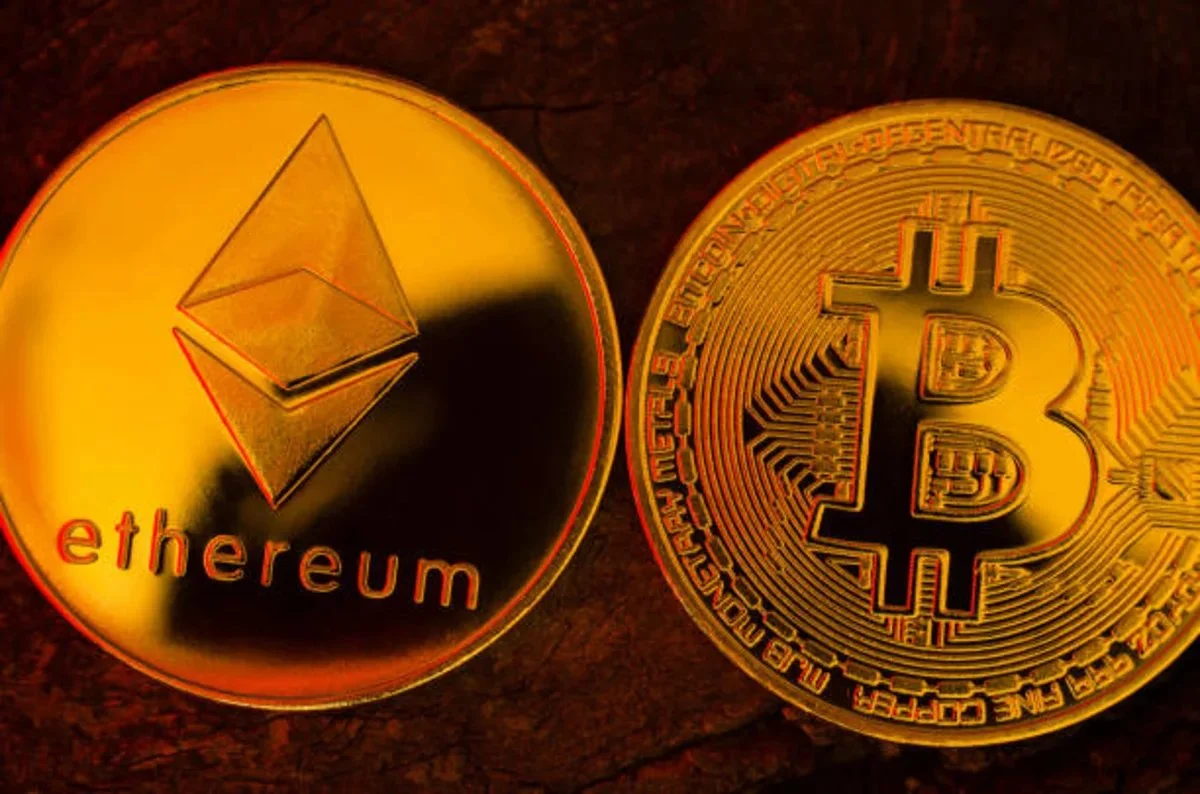
The cryptocurrency markets experienced a period of consolidation on Tuesday morning, with both Bitcoin and Ethereum finding some footing after weeks of downward pressure. While early trading saw minor dips for both assets, the overall trend suggests a possible reversal from recent slumps that pushed BTC prices below $60,000.
According to Finance, while Bitcoin (BTC-USD) opened down 0.3% from Monday's open at $63,078.89, Ethereum (ETH-USD) started the day with a modest gain of 0.2%, opening at $1,689.88. These movements highlight the evolving role of digital assets as alternative investment options in an increasingly volatile global economy.
Bitcoin's Historical Performance and Current Trends
The price action for Bitcoin shows significant historical volatility. Over the past year, BTC prices have seen a decline of 40.4%. Historically, its all-time high reached $128,198.07 on October 6, 2025, while its lowest recorded value was $0.04865 in July 2010.
- One week ago, Bitcoin prices were down 11.6%.
- Over the last month, BTC has experienced a decline of 21.3%.
- The current stabilization suggests investors may be seeking diversification away from traditional market risks.
Understanding Ethereum as a Digital Asset
Ethereum is fundamentally a blockchain platform, while Ether (ETH) is the native cryptocurrency that operates on it. Investors engage with ETH in various ways: short-term trading, slow accumulation of holdings, or earning yield through staking—a process that helps maintain network security.
While Ethereum remains significantly more volatile than indices like the S&P 500 for many investors, its function has moved beyond speculative hype. It is now recognized as a foundational component of modern digital portfolios. Key aspects of ETH include:
- It serves as the digital asset used to run decentralized applications.
- Investors can choose strategies ranging from active trading to passive staking.
- The platform provides infrastructure for complex financial and technological interactions.
As cryptocurrencies continue their rapid evolution, they are increasingly viewed not merely as speculative tokens but as essential tools for portfolio diversification against macroeconomic pressures. The current stabilization suggests a maturing market where utility and stability are gaining traction among institutional players.
The sustained movement of Bitcoin and Ethereum underscores the ongoing integration of decentralized finance into global investment strategies.