 EVERYTHING


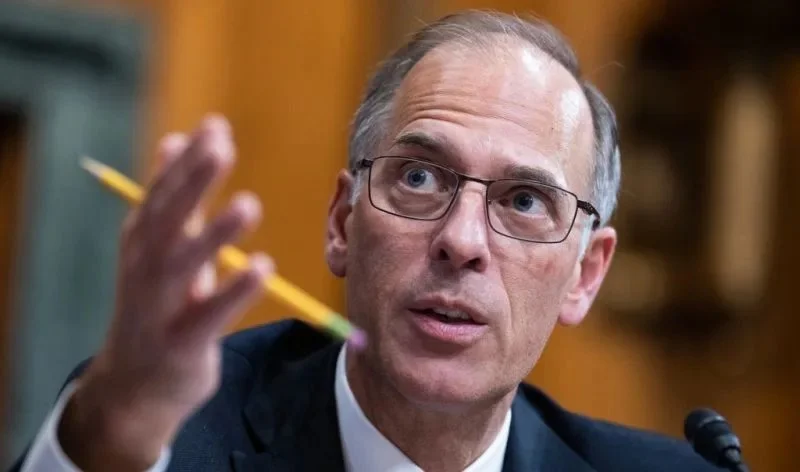
The persistent divergence between economic segments is being characterized as the K-shaped economy, a term used to describe uneven financial outcomes. According to Aol, citing Moody's Analytics chief economist Mark Zandi, this pattern shows that while high-income households are increasing their spending robustly, those in lower brackets are struggling to keep pace with inflation.
The Disparity in Household Outlays
Zandi’s updated estimates for the first quarter of 2026 reveal stark differences in how various income groups are utilizing their disposable income. The top 20% of earners, defined as those making more than $175,000 per year, saw their outlays rise by 6.5% over the last year, successfully outpacing inflation.
Conversely, households comprising the bottom 80% experienced a much smaller increase in spending, with their outlays rising only 2.6%, falling short of prevailing inflation rates. Zandi noted this trend directly explains widespread public dissatisfaction: "No wonder most Americans are upset with their financial situations and the broader economy," he wrote.
Evidence of Uneven Economic Impact
The K-shaped dynamic is not merely a theoretical concept; it manifests across various sectors of the US economy. Businesses are adapting strategies based on these spending patterns, creating visible divides in consumer experiences. Key indicators supporting this trend include:
- High earners driving significant portions of retail activity, as evidenced by strong performance in premium offerings from airlines.
- Lower-income consumers exhibiting increased caution, sometimes cutting back on discretionary purchases amid geopolitical events.
- The widening gap between the top 20% and the bottom 80% compared to historical periods, such as the mid-1990s when spending shares were more balanced.
This reliance on a smaller segment of affluent consumers presents structural risks for the broader economy. Zandi previously warned that this dependency leaves the financial system vulnerable because the spending habits of wealthy households are heavily influenced by external factors, such as their stock portfolio performance.
Implications for Economic Stability
While acknowledging that his models may occasionally "overstate the case," Zandi maintains that the economy is becoming increasingly K-shaped. The concentration of consumer spending among a small, wealthy demographic means that economic health becomes highly sensitive to the financial fortunes of this elite group. If these high earners decide to reduce their consumption due to market volatility, the entire economic structure could face significant headwinds.
Ultimately, the data suggests that while overall economic measures might appear stable, the underlying distribution of wealth and purchasing power remains sharply polarized across American households.