 EVERYTHING


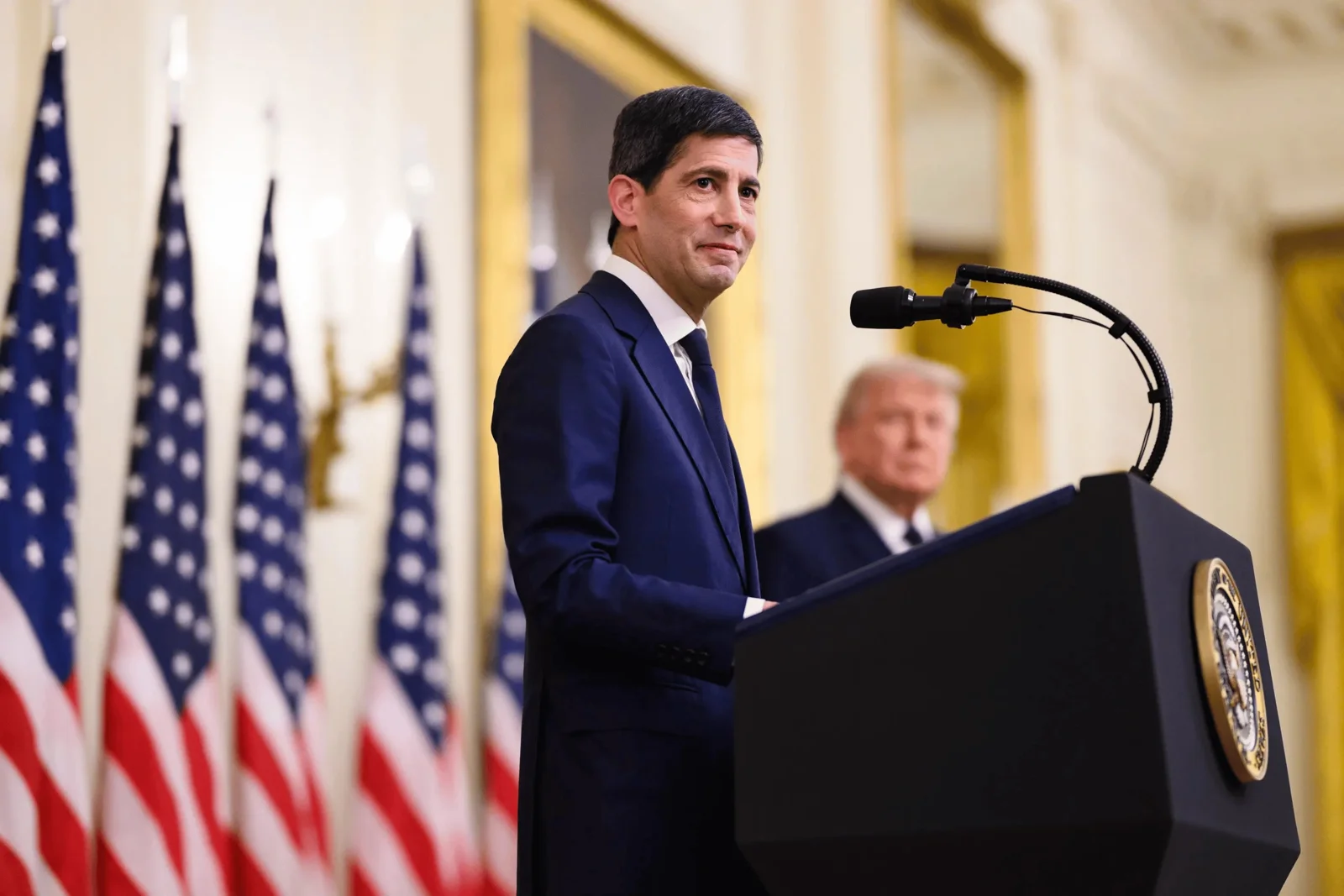
Interest rates remain one of the most powerful drivers of market movement, influencing everything from stock prices to home sales. When Kevin Warsh was nominated by President Trump to lead the Federal Reserve, many observers assumed his tenure would bring about lower interest rates, aligning with Trump's public preference for easing monetary policy. However, as 247wallst reports that the economic backdrop has shifted significantly since his nomination, the political narrative is colliding with complex financial realities.
Political Expectations Versus Economic Data
Trump has consistently argued throughout his terms that the Federal Reserve maintained rates too high and has publicly pressured central bank officials to ease policy. This history provided Elizabeth Warren with a clear opening, leading her to repeatedly label Warsh a "sock puppet" during Senate testimony. The concern that he would automatically deliver rate cuts was not entirely unfounded; investors rely on confidence that rate decisions are based on economic data rather than political pressure. Yet, the assumption that any Fed chair governs in a vacuum overlooks a basic reality: they must respond to incoming economic indicators.
The Stubbornness of Inflation
When Warsh emerged as a leading candidate for the top job at the central bank, many economists anticipated inflation would continue moderating toward the Federal Reserve’s 2% target. Instead, inflationary pressures have proven more resilient and complicated. The Consumer Price Index rose to 3.8% in April from 3.3% in March. This persistence is compounded by tariff-related price increases and surprisingly strong consumer spending.
This elevated inflation rate presents a critical dilemma for the Fed. Cutting rates while prices remain high risks reigniting inflationary pressures, potentially undermining years of central bank efforts to stabilize the economy. Consequently, Warsh may find himself in a position that looks far less aligned with Trump’s public preference than many initially expected when he was nominated.
- The Fed's credibility with Wall Street and Main St is increasingly becoming a higher priority than political alignment.
- Markets are now closely monitoring inflation data, employment reports, and overall economic growth figures.
- Warsh will soon face his first major test regarding whether to maintain steady rates despite White House pressure.
In short, while the nickname "sock puppet" is a powerful soundbite, Warsh's actions will ultimately determine its truth. If he chooses to prioritize inflation control over politically driven rate cuts in upcoming meetings, he may prove that even a highly visible political appointee is willing to chart an independent course based on economic necessity.