 EVERYTHING


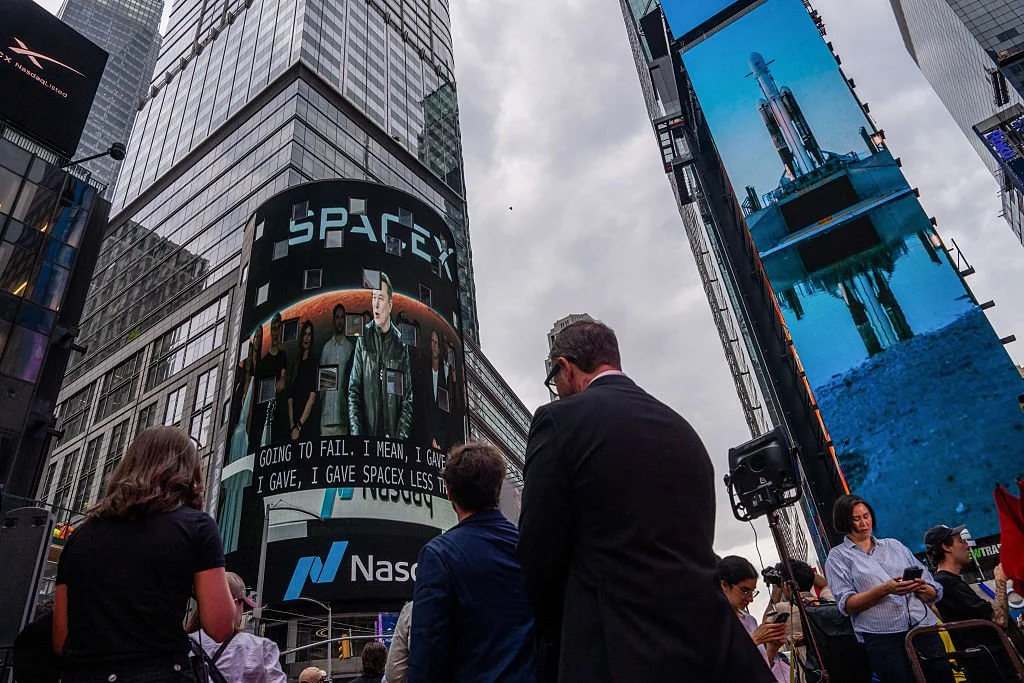
According to Jacobin, the recent SpaceX initial public offering (IPO) has served as a landmark moment for global finance, instantly elevating Elon Musk's net worth to unprecedented levels. The event not only broke records for the largest IPO in history but also highlighted a significant shift toward top-heavy market dynamics where a small number of entities command the vast majority of capital.
Record-breaking valuations and market concentration
SpaceX entered the public market with an initial valuation of $1.77 trillion, which rapidly climbed to over $2 trillion during its first day of trading. By the second day, the company saw a 20 percent jump, positioning it as the fifth most valuable company on the exchange and pushing Musk’s personal net worth to approximately $1.4 trillion. These figures have sparked intense debate regarding the sustainability of such valuations in the current economic climate.
The report suggests that these numbers reflect a broader trend of market concentration. Currently, the top ten companies on the S&P 500 account for roughly 40 percent of the index’s total weight. This level of dominance is comparable to the era leading up to the Great Depression, where a few massive corporations held disproportionate influence over the entire financial landscape.
Analysis of inflated price-to-sales ratios
Because SpaceX reported losses of nearly $5 billion last year, analysts have relied on the price-to-sales (P/S) ratio to evaluate its worth. The data reveals a significant disparity between SpaceX and other established tech leaders:
The report notes that even notoriously expensive companies like Palantir maintain P/S ratios only slightly above 60, making SpaceX's current standing appear anomalous by traditional standards. Critics have described the opening day sentiment as "outrageous" and "stupid," suggesting that the influx of artificial intelligence investment has created a bubble of irrational exuberance. This trend highlights how the stock market is becoming increasingly dominated by the wealthiest 10 percent, who own nearly 90 percent of all stocks.
Ultimately, the SpaceX IPO serves as a case study for the current era of high-tech speculation and the widening gap between mega-cap giants and the rest of the market. The extreme concentration of wealth and capital suggests that historical indicators are being stretched to their limits by modern technological hype.