 EVERYTHING


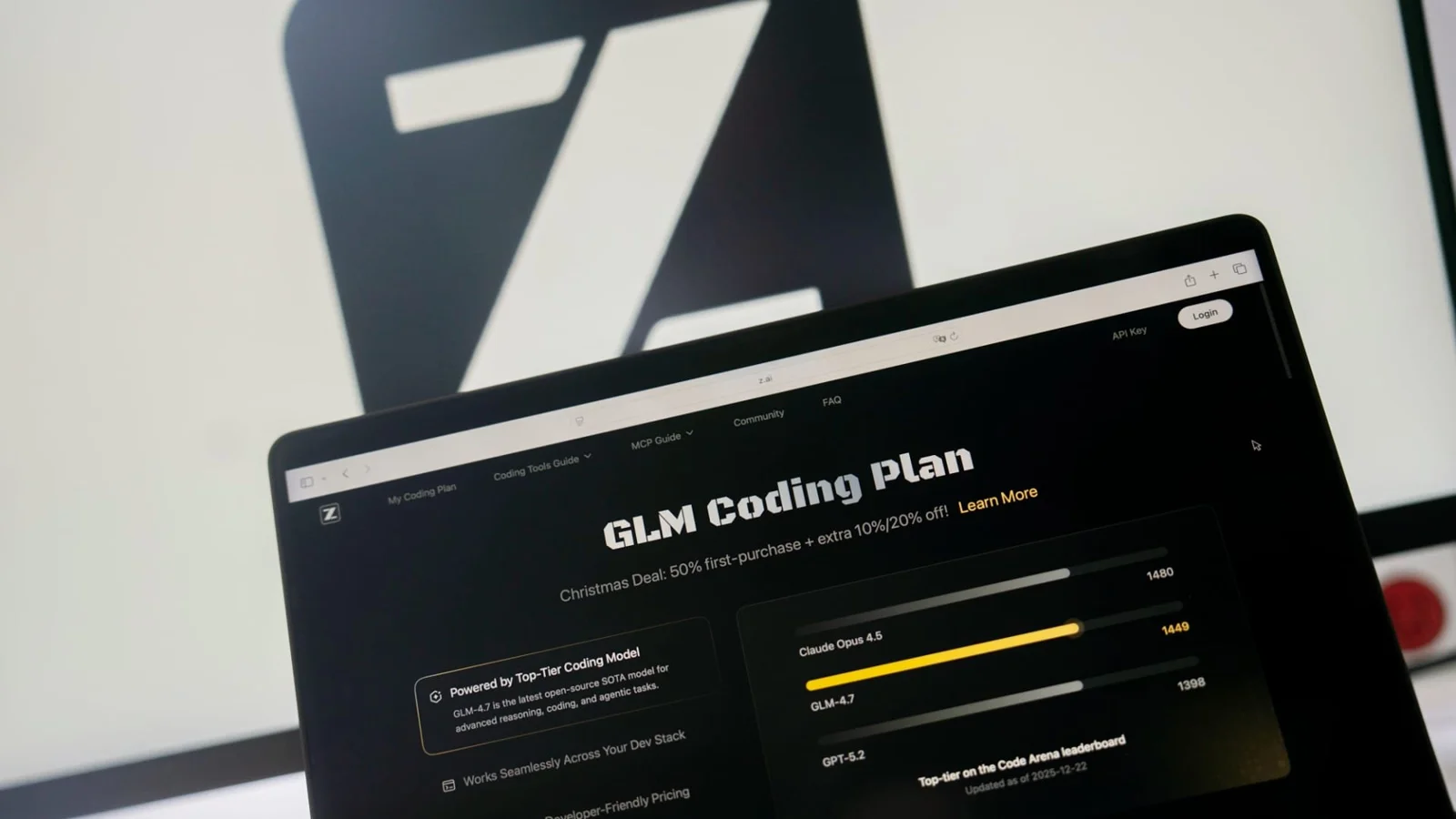
According to CNBC, U.S. businesses are increasingly turning to Chinese artificial intelligence models as they become more viable alternatives to the high-cost frontier systems produced by American giants like OpenAI and Anthropic. While these domestic leaders still dominate the top tier of performance, newer releases from Chinese firms such as DeepSeek and Z.ai are capturing significant market share by offering a compelling balance of capability and affordability.
Shift in corporate spending and adoption
The transition toward cheaper alternatives is driven by rising costs for premium AI tokens. Companies that previously prioritized rapid adoption regardless of the underlying model are now becoming more cost-conscious as operational expenses climb. This shift is reflected in data from OpenRouter, a platform providing access to various models; its share of tokens used by U.S. companies on Chinese models has remained above 30% weekly since early February, peaking at 46%.
This surge contrasts sharply with the first half of 2025, when that figure averaged just 4.5%. Several notable shifts in infrastructure and deployment have occurred recently:
Strategic trade-offs for developers
Engineers are increasingly experimenting with open-weight models, which allow for greater transparency and customization compared to proprietary closed systems. For many tasks that do not require the absolute highest level of reasoning, teams are routing workloads to the most economical model that meets their specific requirements. This "good enough" approach is allowing Chinese models like Alibaba's Qwen and Z.ai to enter the top five rankings on platforms serving regulated industries.
The rise of these overseas alternatives arrives as the U.S. government navigates complex regulatory hurdles for domestic AI. While officials consider ways to manage the rapid adoption of foreign tech, the economic reality of high-cost computing continues to drive American developers toward more affordable Chinese innovations. This trend suggests that price parity and performance efficiency may become the primary drivers of AI infrastructure selection in the coming year.