 EVERYTHING


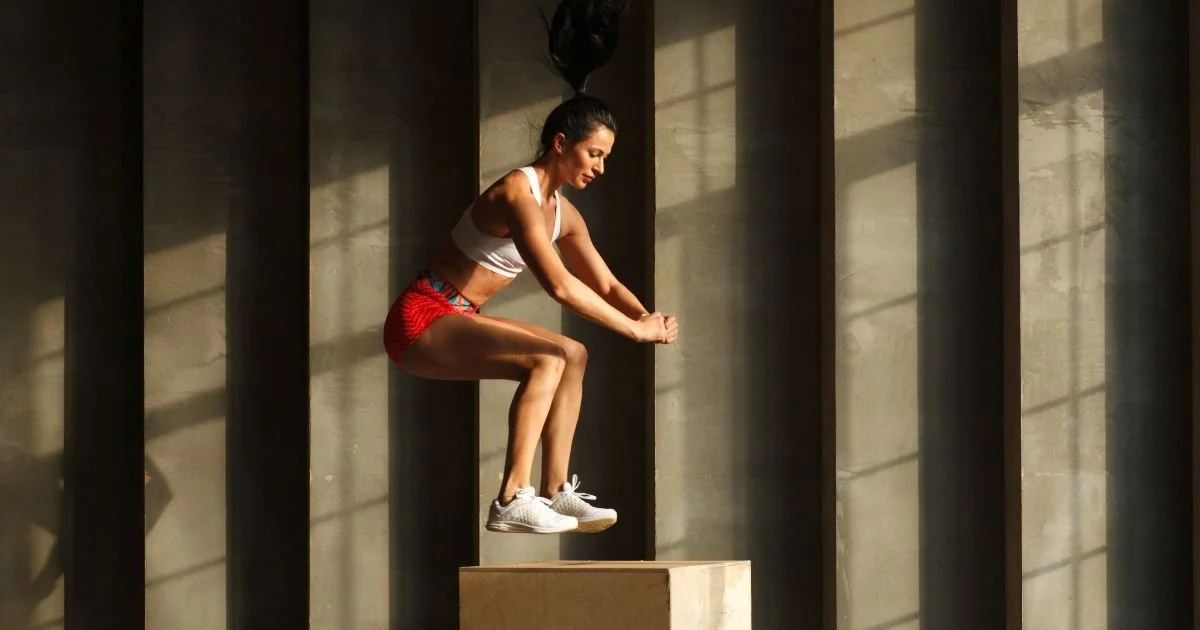
The pursuit of longevity requires more than just genetic predisposition; it demands proactive health management. According to Marieclaire, the concept of 'healthspan'—the period of life spent in good health—is paramount, especially given historical underrepresentation of women in clinical trials and research.
The Scientific Case for Movement
Research consistently demonstrates that regular physical activity acts as powerful insurance against chronic disease. A 2024 study published in the British Journal of Sports Medicine indicates significant protective effects: a high level of cardiorespiratory fitness reduces the risk of dying from any cause by 53%. Furthermore, maintaining high levels of strength is associated with a 31% reduced risk of death from any cause.
Dr Rhea Kotecha, a GP and leading longevity doctor, emphasizes this role, stating that exercise "is the closest thing we have to a longevity drug." This endorsement is supported by data showing that in one study involving over 122,000 adults, the least fit participants faced roughly five times the mortality risk of their fittest counterparts—a risk greater than being a smoker.
Balancing Risk and Benefit
While movement is vital, understanding the balance between activity and recovery is crucial. Dr Kotecha notes that while overtraining carries theoretical risks—such as elevated stress hormones or suppressed immunity—these dangers are rare in practice. For women, the health compromise is far more commonly linked to insufficient exercise rather than excessive strain.
Key Principles for Optimal Aging
To maximize longevity benefits and improve overall healthspan, experts recommend a holistic approach that addresses diverse fitness components. While specific routines vary based on individual needs, prioritizing these areas ensures comprehensive bodily resilience:
- Cardiorespiratory Fitness: Activities like brisk walking, running, or swimming that elevate the heart rate to strengthen the cardiovascular system.
- Strength Training: Exercises targeting major muscle groups (e.g., weights, resistance bands) to combat age-related sarcopenia and maintain bone density.
- Flexibility and Balance: Practices such as yoga or Pilates that improve mobility, reduce injury risk, and support joint health.
The biological differences between men and women necessitate tailored approaches, but the core principle remains consistent: movement is a fundamental pillar of preventative medicine. Consistent engagement across these fitness domains ensures not only a longer life but one characterized by sustained vitality.
Ultimately, adopting a disciplined routine of varied physical activity is the most accessible and powerful strategy for achieving optimal healthspan throughout later years.