 EVERYTHING


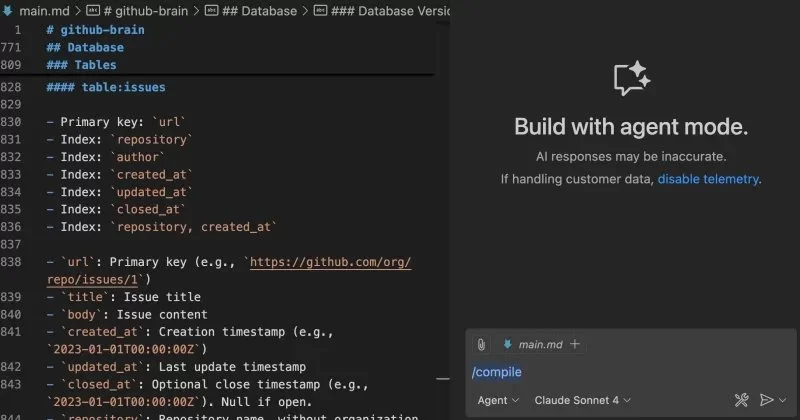
According to Cryptobriefing, GitHub’s Spec Kit introduces a radical workflow that mandates developers define granular requirements before engaging an AI agent. This spec-driven development (SDD) methodology shifts the focus from immediate code generation to structured planning, forcing the AI to operate within clearly defined parameters.
The Mechanics of Spec-Driven Development
The toolkit operates through straightforward Command Line Interface (CLI) commands and slash commands. The process begins with a command like specify init, which establishes the project's specification framework. Developers then document requirements with sufficient detail so that an AI agent can follow them predictably. This structured input is designed to directly address the unpredictability often associated with unguided large language model (LLM) code generation.
Impact and Community Reception
Since its initial release on September 2, 2025, Spec Kit has undergone continuous iteration, reaching version 0.9.5 in early June 2026. The community response to this experimental initiative has been mixed, highlighting both the potential benefits and current limitations of SDD.
- Predictability and Structure: Advocates praise the improved structural integrity and predictability that detailed specifications provide when guiding AI agents.
- Token Consumption: Critics note a significant increase in token consumption because feeding highly granular specifications into an AI agent necessitates longer prompts and increased computational resources.
- Workflow Concerns: There are ongoing concerns regarding potential slowdowns in development workflows and the long-term maintenance overhead of these detailed specification files.
Economic Implications for AI Tooling
The Spec Kit is provided free and open-source under the MIT license, removing immediate monetization barriers. However, the issue of token consumption warrants close monitoring. If spec-driven workflows consistently lead to a meaningful increase in compute costs per coding session, this could substantially alter the economic viability of large-scale AI coding tool usage for enterprise teams.
GitHub has maintained an open stance on the project, treating it as a shared experiment rather than a finalized product launch, allowing community input to shape best practices for AI-augmented development. The successful adoption and optimization of SDD will determine whether this planning overhead is worth the gains in code quality and reliability.