 EVERYTHING


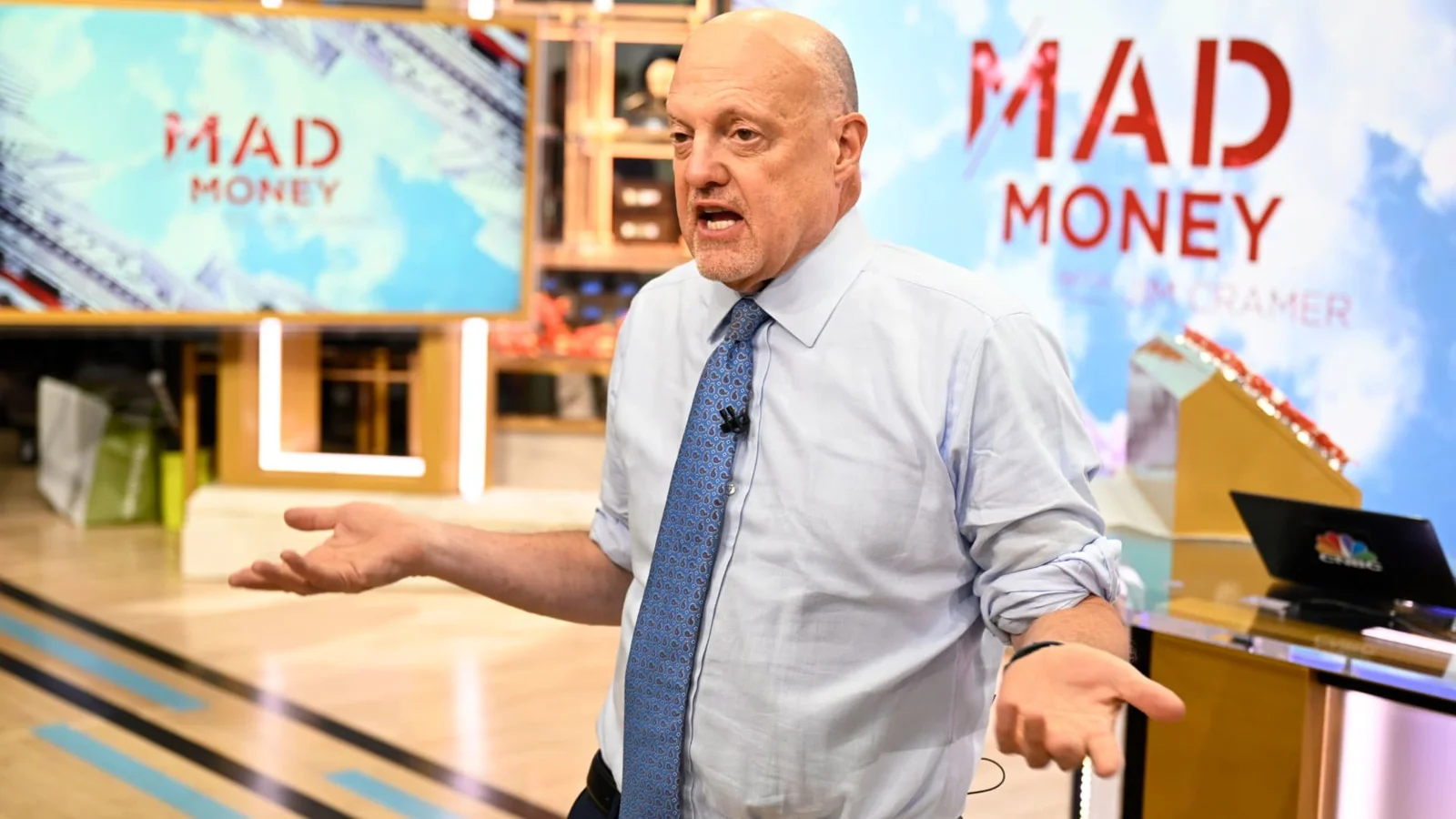
CNBC reports that Jim Cramer has cautioned investors about the growing risk posed by an oversupply of capital in the current technology sector. While acknowledging the strength of the underlying artificial intelligence investment thesis, Cramer stated that the sheer volume of companies seeking funding could create a powerful headwind for stock prices. He noted that historically, bull markets can be disrupted not only by interest rates or geopolitical events but also by market saturation caused by excessive new supply.
The Pressure of AI Infrastructure Funding
Cramer pointed to the massive pipeline of companies requiring capital to build out advanced AI infrastructure globally. This includes highly anticipated initial public offerings (IPOs) from major players such as SpaceX, Anthropic, and OpenAI. Furthermore, large-scale secondary stock sales, like Alphabet’s recent $80 billion transaction, contribute significantly to this supply pressure. While the market absorbed Alphabet's deal smoothly, Cramer expressed concern that if too many companies attempt to tap shareholder capital simultaneously, the overall market could become saturated.
He elaborated on the core economic principle: when stock supply overwhelms investor demand, downward price movement is the natural outcome. This situation forces investors into difficult decisions regarding their existing portfolios.
Reallocation Risks and Market Impact
The most significant risk identified by Cramer involves forced portfolio reallocation. He suggested that as new AI offerings require vast amounts of capital, investors may be compelled to sell off established market winners merely to fund the next generation of technology companies. This dynamic is already exerting pressure on some industry leaders.
Cramer specifically mentioned Nvidia, noting that its stock—a holding in his Charitable Trust portfolio—appears to be a prime target for this reallocation pressure. During Wednesday's trading session, Nvidia’s stock dropped 3.6%. Despite the immediate volatility and short-term pressures stemming from supply concerns, Cramer maintained an optimistic view regarding the long-term outlook of AI investment.
- The underlying belief in AI’s transformative potential remains intact.
- Once current buyers realize substantial profits from companies like Nvidia, market confidence is expected to stabilize.
- The current period represents a "battlefield" phase before sustained growth can resume.
In conclusion, while the immediate environment presents challenges due to capital saturation and supply overhang, Cramer believes that successfully navigating this turbulent phase will ultimately pave the way for continued technological advancement and market recovery.