 EVERYTHING


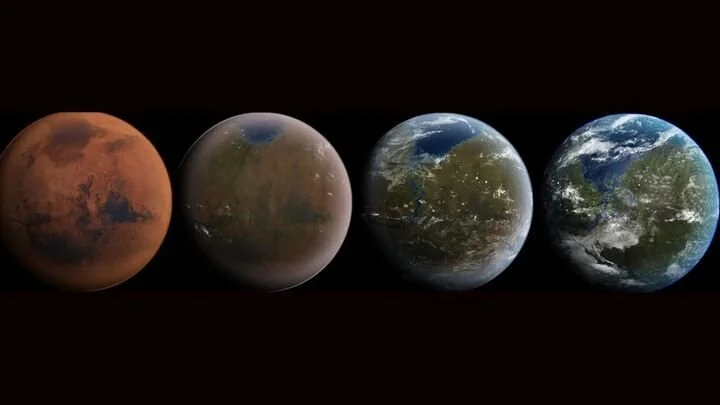
According to Space, researchers are actively investigating methods to transform the frigid environment of Mars into a more habitable world for humans. A primary focus of this scientific inquiry involves the dispersal of aerosols designed to trap heat within the Martian atmosphere, which would serve as an initial step in a broader terraforming strategy.
The rise of applied astrobiology
This effort is part of an emerging field known as "applied astrobiology." Unlike traditional planetary science, this discipline specifically appraises the requirements for creating sustainable habitats and functional biospheres outside of Earth. The current research blueprint serves as a feasibility study rather than a definitive plan; its goal is to identify the necessary infrastructure, total costs, and potential complications associated with warming the Red Planet.
Edwin Kite, an associate professor of geophysical sciences at the University of Chicago, recently detailed these concepts during a Space Resources Roundtable. He emphasized that while creating a biosphere from scratch remains an immense technical hurdle, it is a necessary milestone for long-term human expansion into the cosmos. Kite noted that even modest investments in research now can preserve the possibility of future colonization as exploration continues.
Modular approaches to atmospheric warming
The proposed roadmap identifies several distinct technological pathways to increase temperatures on Mars, ranging from localized solutions to global interventions:
While these methods offer various benefits, each carries significant scientific and technical risks that require rigorous testing. Kite suggested that any future terraforming effort would likely be modular, allowing for multiple sites to be developed in parallel rather than a single global overhaul. However, the path forward remains contingent on two major unknowns: whether Mars can ultimately support life and whether indigenous life currently exists on the planet.
The ultimate goal of these early efforts is to spark a centuries-long process of atmospheric oxygen buildup. By establishing stable bases first, humanity could begin the slow transition toward a self-sustaining environment. For now, the focus remains on gathering data to ensure that any future attempts at planetary engineering are both safe and viable.