 EVERYTHING


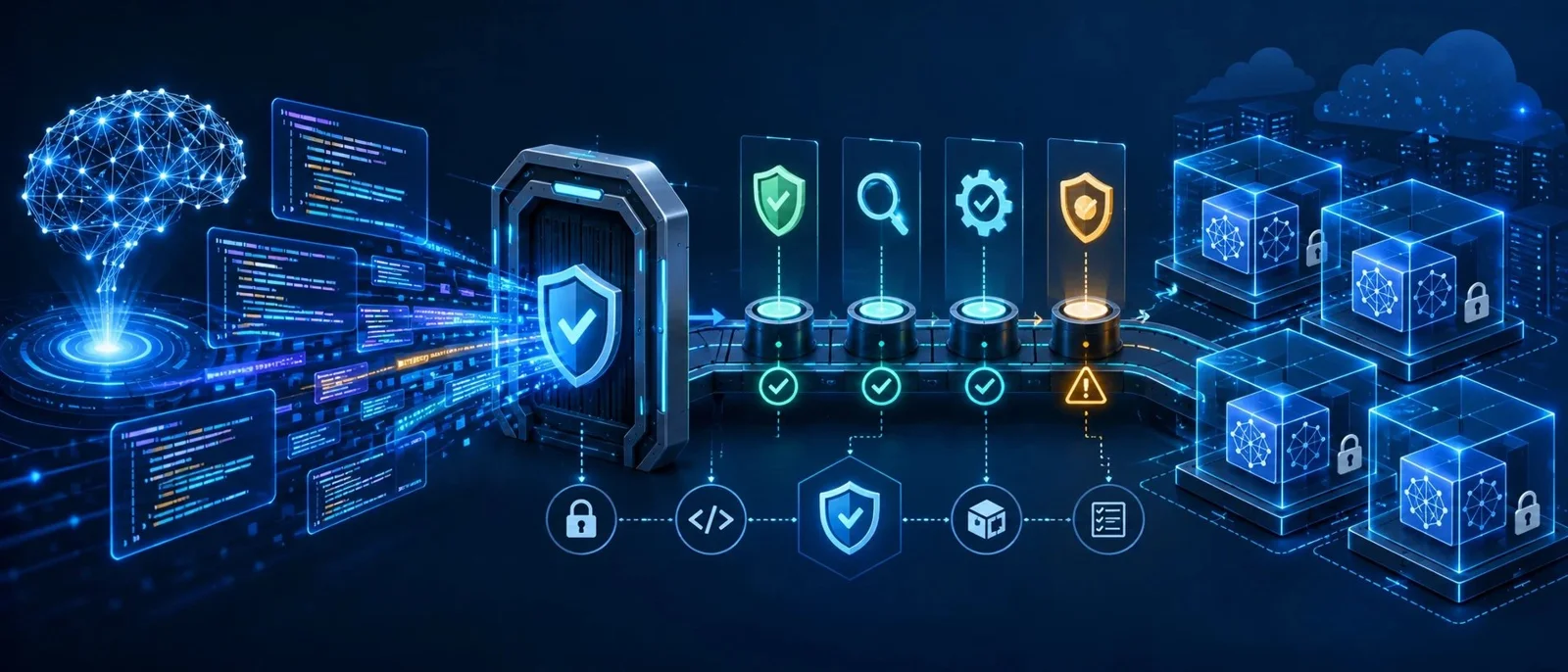
According to Devops, the presence of AI-generated code in production environments is no longer a theoretical concern but a current reality. Even in highly regulated open-source projects like OpenStack, developers are increasingly submitting patches that are either assisted by or entirely composed by artificial intelligence tools.
The bottleneck of human review
While AI is naturally suited for code generation due to the predictable structure of programming languages, the primary risk lies in the downstream verification process. Because it is now significantly easier to produce large volumes of code, there is a corresponding surge in proposed changes. This puts immense pressure on human reviewers, who serve as the final line of defense against security vulnerabilities and maintainability issues.
The challenge is compounded by the rise of autonomous AI agents. These systems often operate with permissions that far exceed what would be granted to a human assistant. Current trust models, which have historically relied on the principle of least privilege and multi-signature approvals, are being bypassed in favor of broad access to databases, emails, and production environments.
Bridging the security gap
Industry experts suggest that while AI features are advancing rapidly, their corresponding security frameworks remain underdeveloped. To mitigate these risks, organizations must implement robust engineering disciplines including:
- Granular permission systems to replace broad wildcard access for agents.
- Comprehensive auditing and rollback capabilities for autonomous actions.
- Automated enforcement of software practices within delivery pipelines.
- Project gating systems that test the future state of a codebase before merging.
Leveraging existing infrastructure
One notable solution is the use of Zuul, an open-source system designed to gate code changes by testing proposed modifications against their dependencies across multiple repositories. By catching downstream breaks before they reach the main branch, such systems ensure that the pace of AI-driven contribution does not compromise system integrity. As human review cannot scale indefinitely, building these critical checks directly into the CI/CD pipeline is essential for maintaining secure software ecosystems.
Ultimately, the goal is to apply established engineering rigor to an AI-driven world where automated enforcement acts as a necessary safeguard against the sheer volume of machine-generated output.