 EVERYTHING


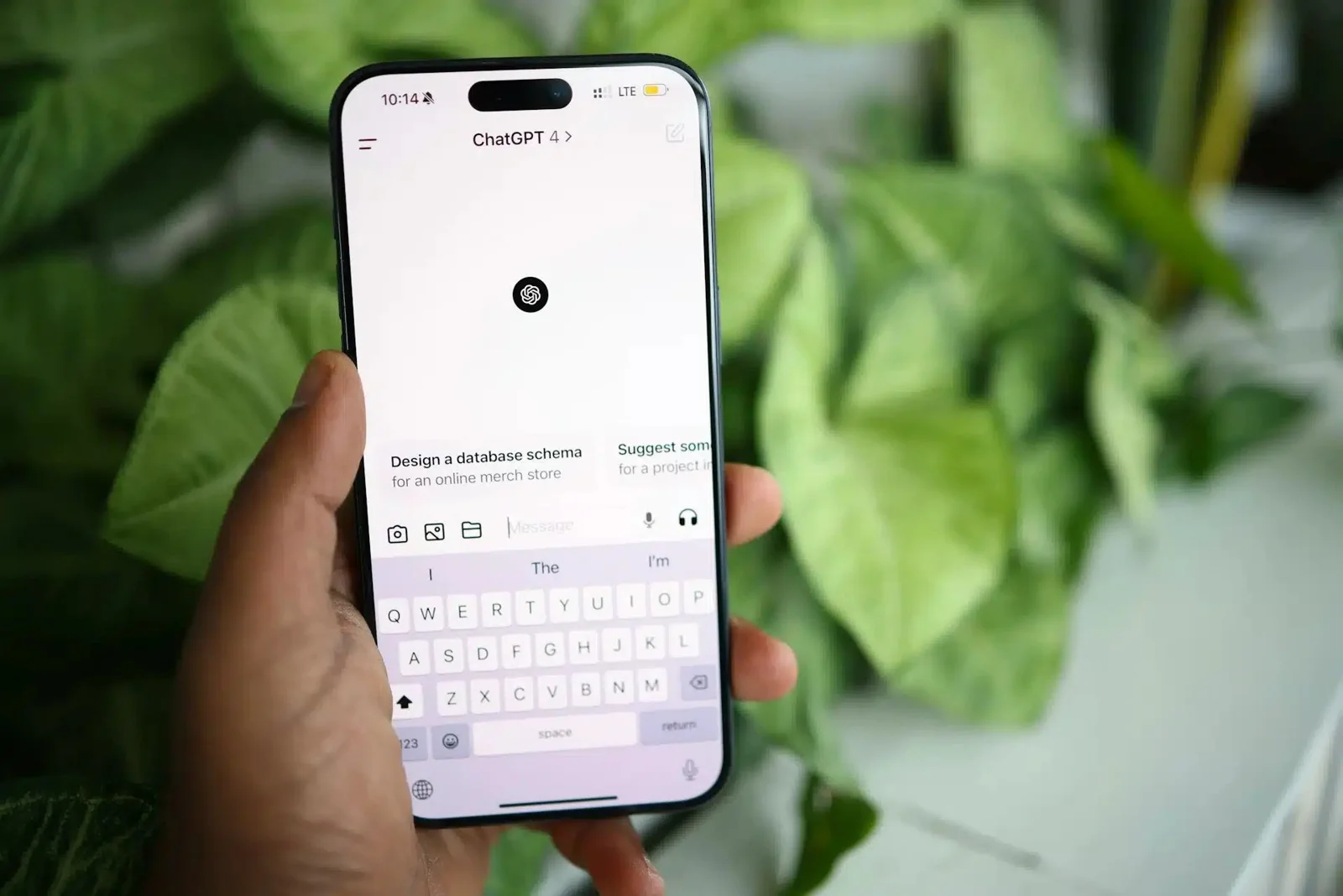
According to Thecyberexpress, research conducted by Cyble Research and Intelligence Labs (CRIL) has uncovered a massive volume of exposed ChatGPT API keys. These credentials are being left accessible across public infrastructure, significantly lowering the barrier for malicious actors to exploit AI services and associated billing accounts.
Widespread exposure in development repositories
The study identified more than 5,000 publicly accessible GitHub repositories containing hardcoded OpenAI credentials. These leaks often occur during rapid development cycles where engineers may embed keys directly into source code, configuration files, or .env files for testing purposes. While developers might intend to remove these secrets later, they frequently persist in commit histories, forks, and archived projects.
CRIL's analysis shows that these exposures are not limited to a single language but span across various environments, including:
- JavaScript applications and Python scripts
- Continuous Integration and Continuous Deployment (CI/CD) pipelines
- Infrastructure configuration files
- Recently updated or actively maintained repositories
Once a secret is committed to a public repository, automated scanners can index it within minutes. This creates a very narrow window between the initial mistake and potential exploitation by bad actors.
Security risks in live production environments
Beyond development repositories, CRIL found approximately 3,000 live websites leaking active API keys directly in client-side JavaScript and other front-end assets. This means that anyone inspecting network traffic or viewing the application source code can easily harvest these tokens without needing to breach any internal infrastructure.
The research noted two primary types of prefixes commonly found in these leaks:
- sk-proj-: Typically denotes a project-scoped key tied to specific billing configurations.
- sk-svcacct-: Generally represents a service-account key intended for backend automation or system-level integration.
Despite their different scopes, both function as privileged authentication tokens. Richard Sands, CISO at Cyble, noted that "The AI Era Has Arrived — Security Discipline Has Not." He explained that while AI is now production-grade infrastructure, the security rigor applied to traditional cloud credentials has not consistently extended to these new keys. The rise of "vibe coding"—a culture prioritizing speed and rapid feature delivery over foundational security—has contributed to API keys being treated as simple configuration values rather than sensitive secrets.
The findings serve as a stark reminder that tokens are the modern equivalent of passwords and require rigorous management to prevent unauthorized usage and financial loss.