 EVERYTHING


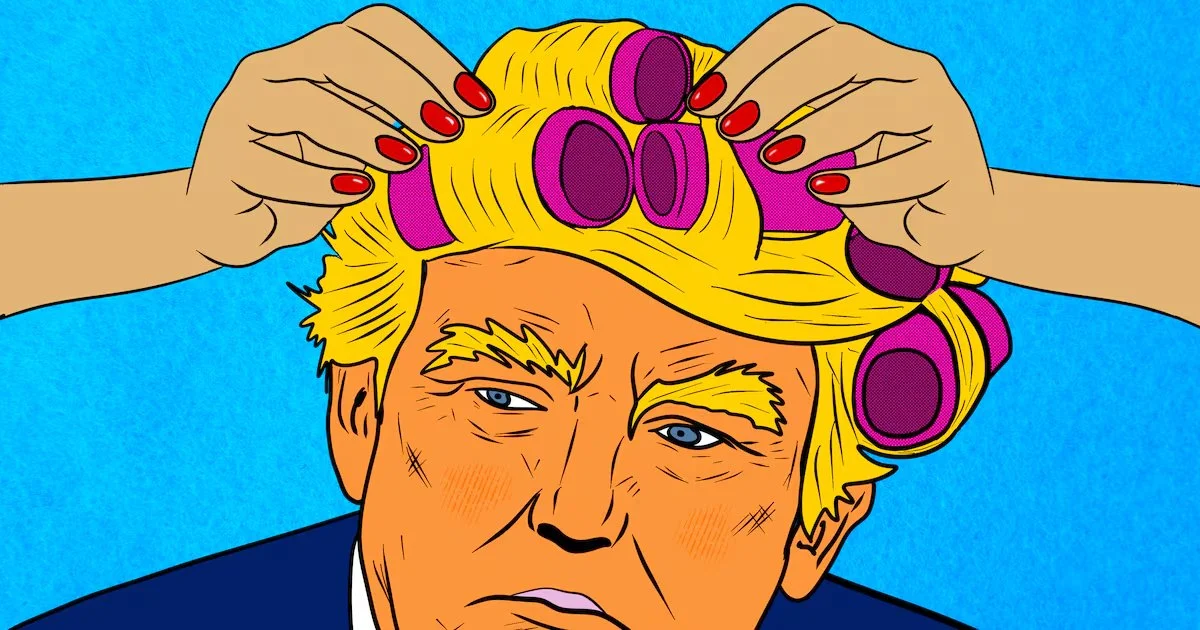
The disappearance of Finasteride, an anti-balding drug sold widely to men in the U.S., from Donald Trump's medical documentation has become a point of public and professional interest. According to Thedailybeast, the medication has not appeared on any of the president’s medical reports since he returned to the White House last January. While aides have declined to offer an explanation for its omission or whether it signifies that the president no longer takes the drug, the lack of clarity fuels speculation.
Concerns Over Health Disclosure and Transparency
The medication in question, Finasteride, is known to carry potential side effects, including depression, sexual dysfunction, and, less commonly, enlarged breasts. Robert Klitzman, a leading psychiatrist at Columbia University, expressed concern over the administration’s reluctance to discuss the drug's use. He stated that this situation raises significant questions about what other health details might not be being revealed.
Klitzman further highlighted Finasteride’s documented link to depression, noting that such a condition could potentially affect Trump’s capacity to execute his official duties. This scrutiny is amplified by the president's long-standing pattern of limited disclosure concerning his personal medical history.
A History of Medical Speculation
Trump has faced criticism for downplaying health issues throughout his career. For instance, in 2020, he minimized the severity of his COVID-19 infection, despite later reports confirming a three-day stay at Walter Reed National Military Medical Center where doctors monitored dangerously low blood oxygen levels.
During his second term, mounting speculation has focused on several physical symptoms and medical checkups. These included:
- Swollen ankles and bruising observed on his hands.
- Public appearances characterized by increasingly erratic behavior.
- Three disclosed visits to the same clinic, one of which involved an MRI.
When questioned about a recent checkup, Trump stated that the MRI was not performed on his brain because he "took a cognitive test and I aced it." However, physicians later clarified that the imaging focused on his heart and abdomen, both of which were reported as free of abnormalities.
The Nuance of Cognitive Testing
Despite the president’s repeated boasts about successfully passing cognitive screenings, medical professionals have cautioned against interpreting these results as proof of genius. The Montreal Cognitive Assessment (MCA), the test mentioned, is designed specifically to detect signs of impairment rather than measure intellectual brilliance. Dr. John Gartner informed Thedailybeast that when testing is performed repeatedly, it suggests that medical professionals may actually be monitoring for dementia, rather than simply screening for it.
The combination of Finasteride’s disappearance from the records and the ongoing public discussion about his physical and cognitive health underscores a persistent tension between political privacy and the need for comprehensive transparency regarding the fitness of high-level officials. The medical community continues to observe these patterns closely, seeking clarity on the full scope of the president's current well-being.