 EVERYTHING


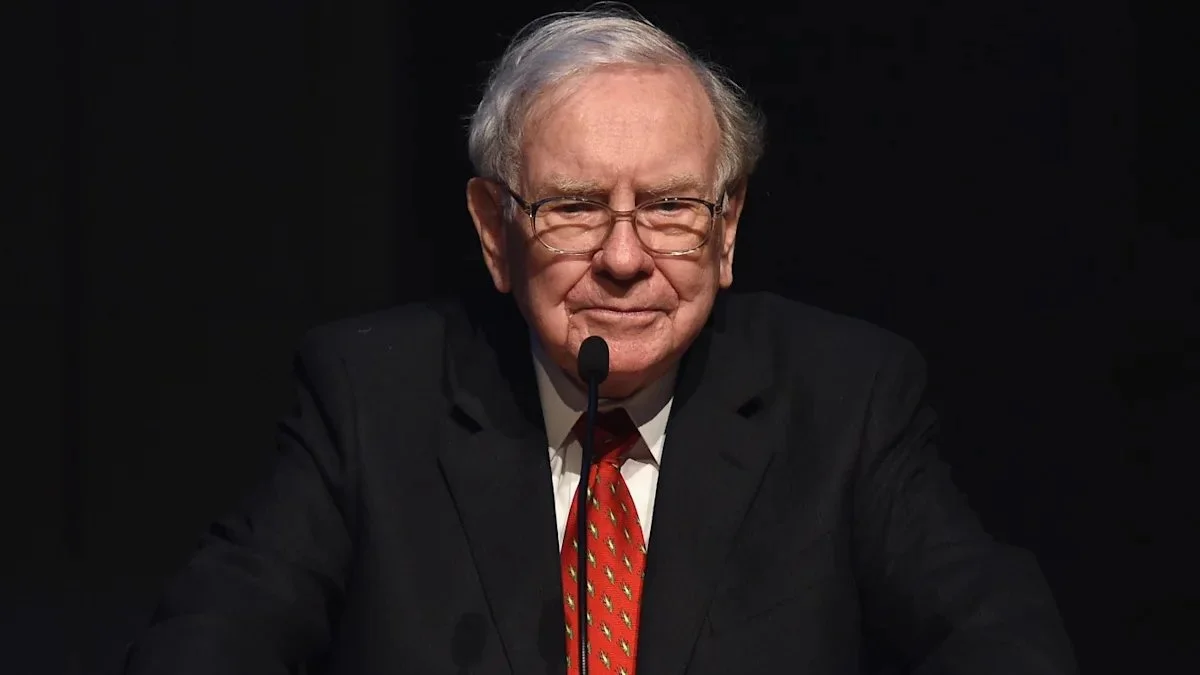
According to Aol, the investment wisdom provided by Warren Buffett is potentially exposing retirement portfolios to heightened risks due to a shift in market dynamics. For decades, Buffett has advocated for low-cost S&P 500 index funds as the gold standard for individual savers who lack the time or expertise to pick winning stocks. However, the structural composition of these indices has changed so drastically that they no longer provide the broad diversification many investors assume they are purchasing.
The rise of market concentration
Data reveals a stark trend in how much weight a handful of companies hold within the S&P 500. While the index contains 500 different entities, the top 10 stocks now control approximately 38% of its total market capitalization. This represents a massive leap from just one decade ago, when those same top 10 positions accounted for only about 15% of the index. This concentration means that any volatility in these specific companies has a disproportionate impact on the performance of the entire fund.
The shift is particularly notable because it occurred while investors were actively following Buffett's guidance to avoid stock-picking. As capital flowed into massive exchange-traded funds (ETFs), the underlying assets became increasingly homogenous. For example, Vanguard's S&P 500 ETF recently made history by becoming the first ETF to surpass $1 trillion in assets under management, fueled by a steady stream of net inflows that have reached record levels in recent years.
The artificial intelligence factor
A significant portion of this concentration is tied directly to the current boom in artificial intelligence (AI). Of the top 10 stocks currently dominating the S&P 500, seven are fundamentally linked to AI infrastructure or software. This includes industry giants such as:
- Nvidia
- Alphabet
- Microsoft
- Amazon
- Taiwan Semiconductor Manufacturing
- Broadcom
Consequently, an investor who believes they are diversifying their risk by buying a broad market index is actually making a concentrated bet on a single technological theme. When AI-related stocks experience sell-offs—as seen recently following disappointing earnings from Broadcom—the entire index feels the pressure regardless of how many other companies are included in the fund.
A shift in diversification reality
The data suggests that the era of "buying the market" as a safe haven for total diversification is evolving. While Buffett's 19.7% compound annual growth rate at Berkshire Hathaway remains a benchmark for success, his recommendation to use index funds assumes a level of balance that may no longer exist in the current landscape. Investors are now navigating a market where the largest players exert such significant influence that the distinction between an index fund and a concentrated tech portfolio is beginning to blur.