 EVERYTHING


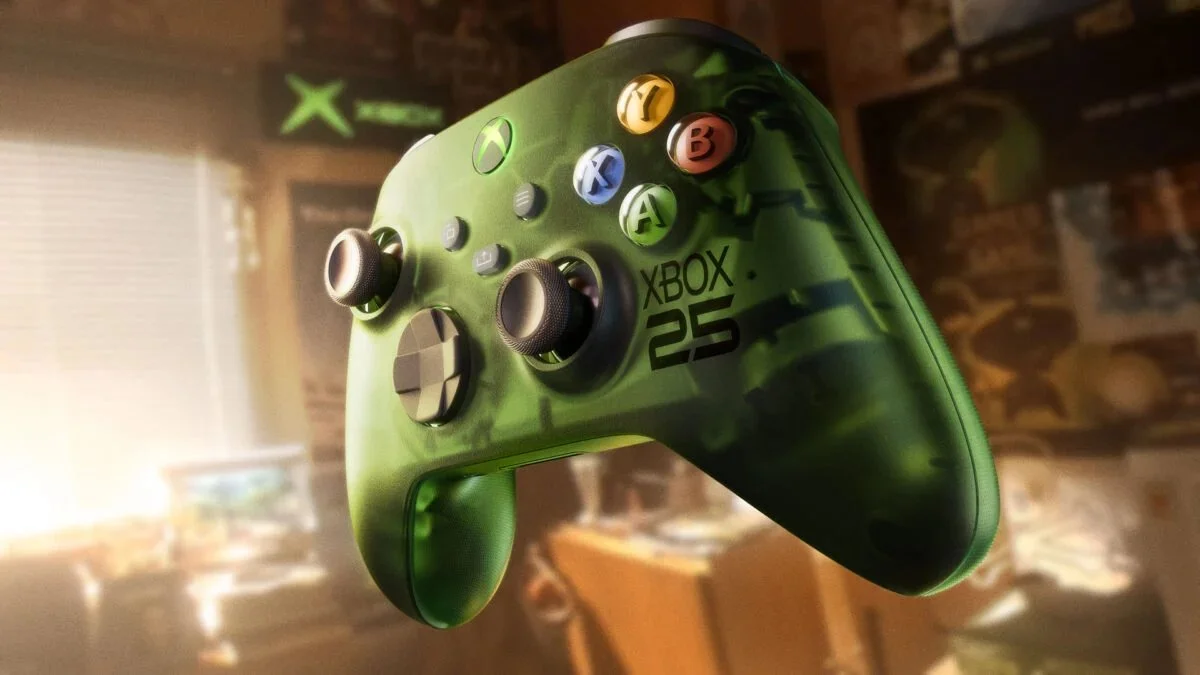
According to Kotaku, Microsoft is grappling with an identity crisis as it attempts to redefine what makes owning an Xbox console worthwhile in a market where hardware performance and pricing have largely leveled out. The company's recent strategic pivot, which prioritized making games available on multiple platforms to reach wider audiences, has inadvertently weakened the primary incentive for dedicated hardware owners.
The challenge of justifying high costs
Matthew Ball, the analyst-turned-chief strategist recently appointed by Microsoft, addressed these concerns during a live interview with The Game Business. He noted that asking consumers to invest hundreds of dollars in a specific ecosystem requires a clear value proposition that currently feels blurred. Ball emphasized that while multi-platform availability is generally positive for players, it creates an "elephant in the room" for those who purchased hardware specifically for exclusive content.
The shift has been marked by several high-profile titles moving to rival platforms, including:
- Sea of Thieves appearing on PlayStation 5
- Forza Horizon expanding its reach beyond the Xbox ecosystem
- The original Gears of War becoming cross-platform
- Starfield arriving on Sony's platform earlier this year
A strategic pivot toward exclusivity
To combat this trend, Microsoft is attempting to re-establish the value of its first-party titles. Ball stated that the company recognizes it has an obligation to reward those who spent significant money on hardware at launch. This has led to a messaging shift from "everything is an Xbox" toward a narrative centered on "the return of Xbox," focusing on high-quality exclusive experiences to differentiate the brand.
Despite these efforts, the path forward remains complex. While Microsoft seeks to rebuild its leverage as a platform, it must also navigate shrinking profit margins and a looming wave of mass layoffs. Ball maintains an optimistic outlook on the turnaround, suggesting that while the situation is difficult to fix quickly, the company is committed to improving the brand's clarity for consumers who are currently forced to choose between competing ecosystems.