 EVERYTHING


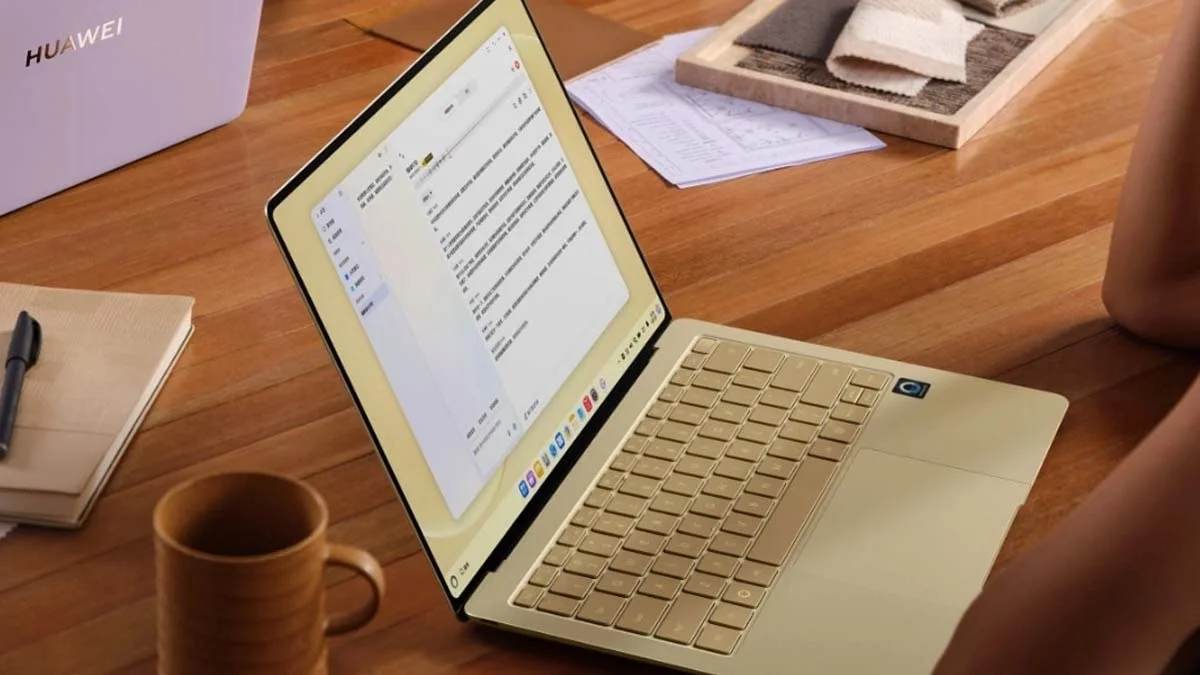
Ultra-Light Chassis Meets Built-in Optical Shielding
The Huawei MateBook Pro S weighs 798 grams, making it significantly lighter than traditional ultraportables such as the 1.23-kilogram Apple MacBook Air. Beyond its slim frame, the notebook introduces an optical privacy layer directly into its 14.2-inch 3.1K OLED panel, eliminating the need for sticky plastic privacy filters or third-party screen guards.
When users work in crowded environments, built-in sensors detect angled viewing attempts and trigger an on-screen privacy prompt. A single action allows the user to immediately narrow the display's viewing angles.
Dual-Pixel Architecture and Physical Hardware Controls
Unlike software-only privacy modes that manipulate contrast or color, Huawei engineered a specialized dual-pixel array structure inside the panel. This optical mechanism controls light direction at the pixel level to preserve front-facing clarity while blacking out side viewing angles.
Key hardware characteristics of the display system include:
- Independent dual-subpixel sets that separate standard wide-angle output from directional light emission
- A dedicated physical toggle switch built into the side chassis for instant mode selection
- Five metallic color finishes including Summer Purple, Dawn Yellow, Smoke Gray, Velvet White, and Feather Black
Why Hardware Switches Outperform Software Security Solutions
The inclusion of a physical switch highlights a shift in how device makers approach personal data protection. While Samsung implemented software-based Privacy Display features on the Galaxy S26 Ultra earlier this year, users still had to navigate quick-settings menus to turn the protection on.
Huawei's hardware switch offers immediate confirmation of active privacy protection without relying on operating system background processes. As mobile workers increasingly operate in public spaces, hardware-bound privacy mechanisms provide verifiable visual security that software toggles cannot match.