 EVERYTHING


A Hidden Hazard in Agricultural Fields
For decades, farmers and home gardeners have relied on glyphosate to manage unwanted weeds, operating under the assumption that the chemical poses no direct threat to insect pollinators. Because insects do not possess the specific plant enzyme that glyphosate targets, regulatory bodies have generally treated non-lethal exposures as safe. However, a team of entomologists at Virginia Tech set out to examine whether sub-lethal amounts of the herbicide might trigger subtle, overlooked changes in honeybee behavior.
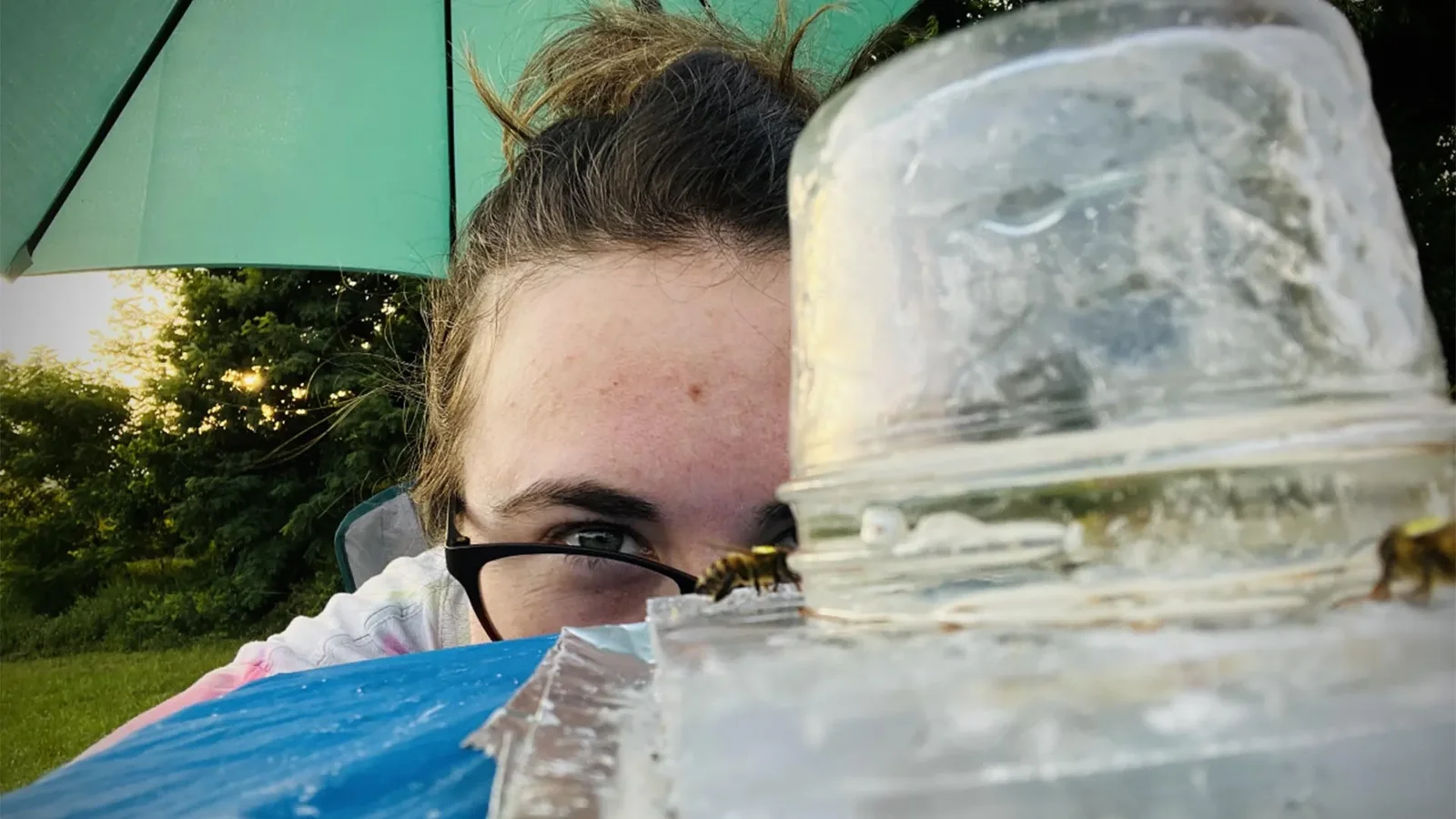
Led by Associate Professor Margaret Couvillon and researcher Laura McHenry, the investigation focused on how foraging bees interact with contaminated nectar sources in real-world scenarios. Published in the Journal of Experimental Biology, the research compared honeybees visiting pristine feeding stations against those accessing feeders spiked with trace levels of glyphosate.
Brain Chemistry Shifts and Reduced Foraging
The experimental setup revealed that even tiny doses of the weedkiller interfere with the internal systems that guide worker bees on their daily foraging flights. To track these subtle behavioral shifts, the researchers monitored bee visitation rates and analyzed brain tissues across controlled groups.
The researchers observed several key findings during the trial period:
- Exposed worker bees demonstrated a 13 percent decline in total foraging activity after just 3 days of continuous exposure.
- Biochemical analysis of bee brains revealed altered concentrations of critical neurotransmitters and amino acids responsible for learning and navigation.
- The behavioral impairment occurred without causing immediate worker mortality, masking the ongoing damage from visual inspection alone.
Couvillon compared the phenomenon to taking an over-the-counter allergy medication. While the drug treats the primary symptom, it might leave the patient feeling slightly sluggish. For a solitary bee, a subtle drop in performance might seem minor, but inside a complex social colony, individual sluggishness quickly compounds.
The Compound Threat to Hive Survival
The ultimate danger lies in how these micro-level brain disruptions scale up across an entire colony. A typical hive relies on thousands of worker bees making dozens of daily trips to gather nectar and pollen. When a significant portion of those workers experiences reduced stamina and impaired navigation, the colony's overall food intake drops sharply.
This deficit limits honey production, strains the hive's energy reserves during winter, and reduces pollination services for nearby crops and wildflowers. Entomologists emphasize that future regulatory assessments must look beyond immediate survival rates and evaluate sub-lethal neurochemical impacts when certifying agricultural chemicals for widespread use.