 EVERYTHING


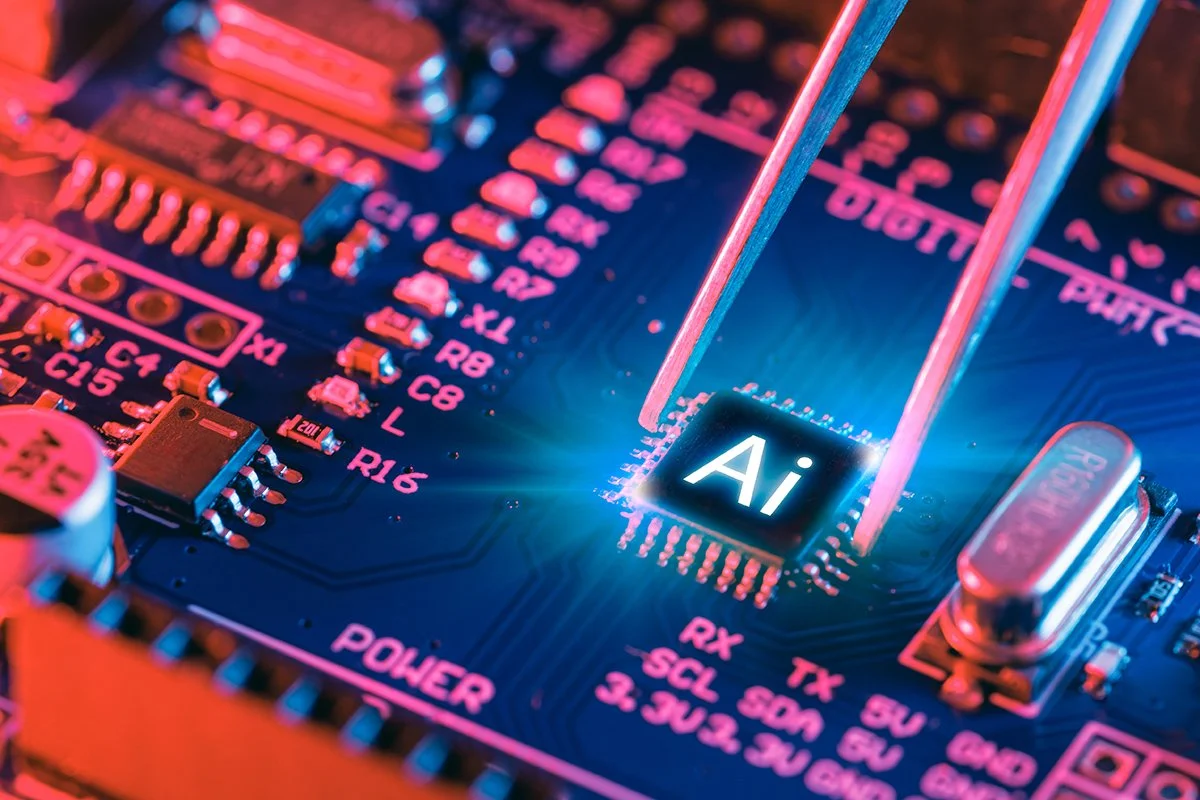
According to Resource-recycling, veteran technology analyst Bob O’Donnell argues that artificial intelligence is becoming a primary driver for the economics of retired hardware. While much of the public discourse focuses on the procurement of new GPUs and advanced processors, the ripple effects are beginning to reshape the secondary markets for servers, memory, and storage systems.
Extended lifecycles for core components
The surge in AI infrastructure spending—totaling hundreds of billions of dollars—is creating a high-demand environment that benefits more than just specialized accelerators. High-performance memory, specifically advanced DRAM, is seeing sustained demand because AI systems require larger memory footprints and sophisticated architectures. This persistent demand means that many hardware components are retaining their market value for longer periods than historical trends predicted.
For operators in the IT asset disposition (ITAD) and component trading sectors, this shift necessitates a change in strategy. Equipment that was previously destined for scrap may now be more profitable when processed through specific channels:
The rise of hybrid AI architectures
As the costs of exclusive cloud-based AI models become prohibitive for many companies, organizations are increasingly adopting hybrid architectures. This involves distributing workloads across cloud platforms, private data centers, and end-user devices. Consequently, a server that is retired by a hyperscale provider may still be perfectly capable of supporting internal applications or smaller-scale inference tasks.
The PC market is experiencing a similar evolution. Manufacturers are prioritizing systems with larger memory configurations and AI capabilities, which has driven up the cost of new entry-level devices. O’Donnell suggests this trend will likely bolster the demand for professionally refurbished equipment as organizations seek affordable computing power that remains capable of handling modern software requirements.
Ultimately, the shift toward decentralized AI capabilities ensures that hardware will remain economically useful for longer cycles, creating a more complex but lucrative landscape for the recycling and refurbishment industries. This transition marks a significant departure from the traditional "dispose-and-recycle" model toward a circular economy of high-performance computing.