 EVERYTHING


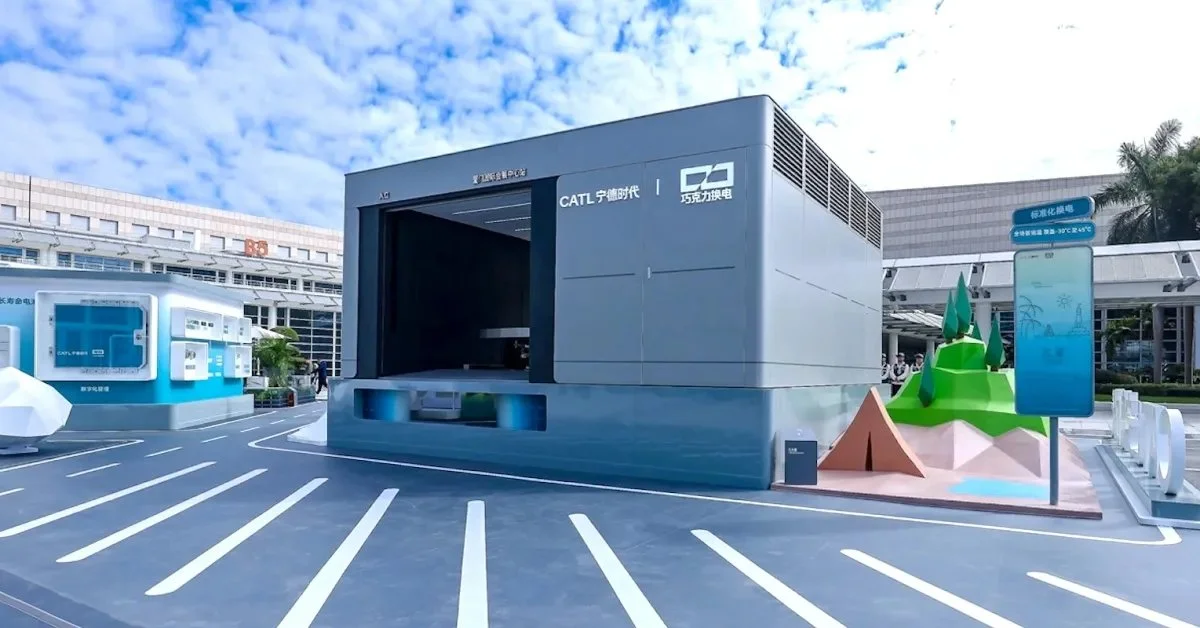
According to Electrek, CATL-backed Choco-SEB has achieved a significant milestone in its infrastructure rollout, marking the deployment of its 2,000th battery swapping station. This achievement highlights a period of aggressive expansion for the EV giant, which has maintained an average pace of over 200 new stations per month throughout 2026.
Strategic goals and domestic reach
The company is currently working toward a target of 3,000 fully operational stations across mainland China and Hong Kong by the close of this year. To support this infrastructure, CATL recently announced the co-development of 10 new electric vehicle models with various domestic automakers specifically designed to utilize swappable battery technology. The overarching objective is to create a network robust enough to replace up to one-third of existing gas stations in China.
Currently, the swap network covers 180 cities across 31 provinces in China. However, the company is not limiting its ambitions to domestic borders. CATL has entered into strategic partnerships with international entities, such as Octopus Energy, to introduce large-scale battery swapping to the United Kingdom and broader European markets.
Expansion routes and global outlook
The latest phase of Choco-SEB’s expansion focuses on a variety of locations including:
- Major urban centers and commercial districts
- High-traffic tourist destinations
- Key expressway routes such as Beijing-Harbin and Beijing-Tibet
- Strategic corridors like Daqing-Guangzhou and Lanzhou-Haikou
The rapid scaling of this technology suggests a shift in how commercial transport might be powered globally. "Battery swapping will be a significant part of the future of commercial transport," said Dr. Robin Zeng, chairman and CEO of CATL. He noted that having field-proven the technology in China, the company is eager to export these solutions through joint ventures.
If the current deployment rate remains consistent, CATL is projected to surpass 4,000 battery swapping stations globally by the end of 2026. This represents a massive leap from approximately 700 stations in October last year and zero stations at the start of 2025. The move underscores a significant commitment to scaling infrastructure as a primary method for overcoming EV charging limitations.