 EVERYTHING


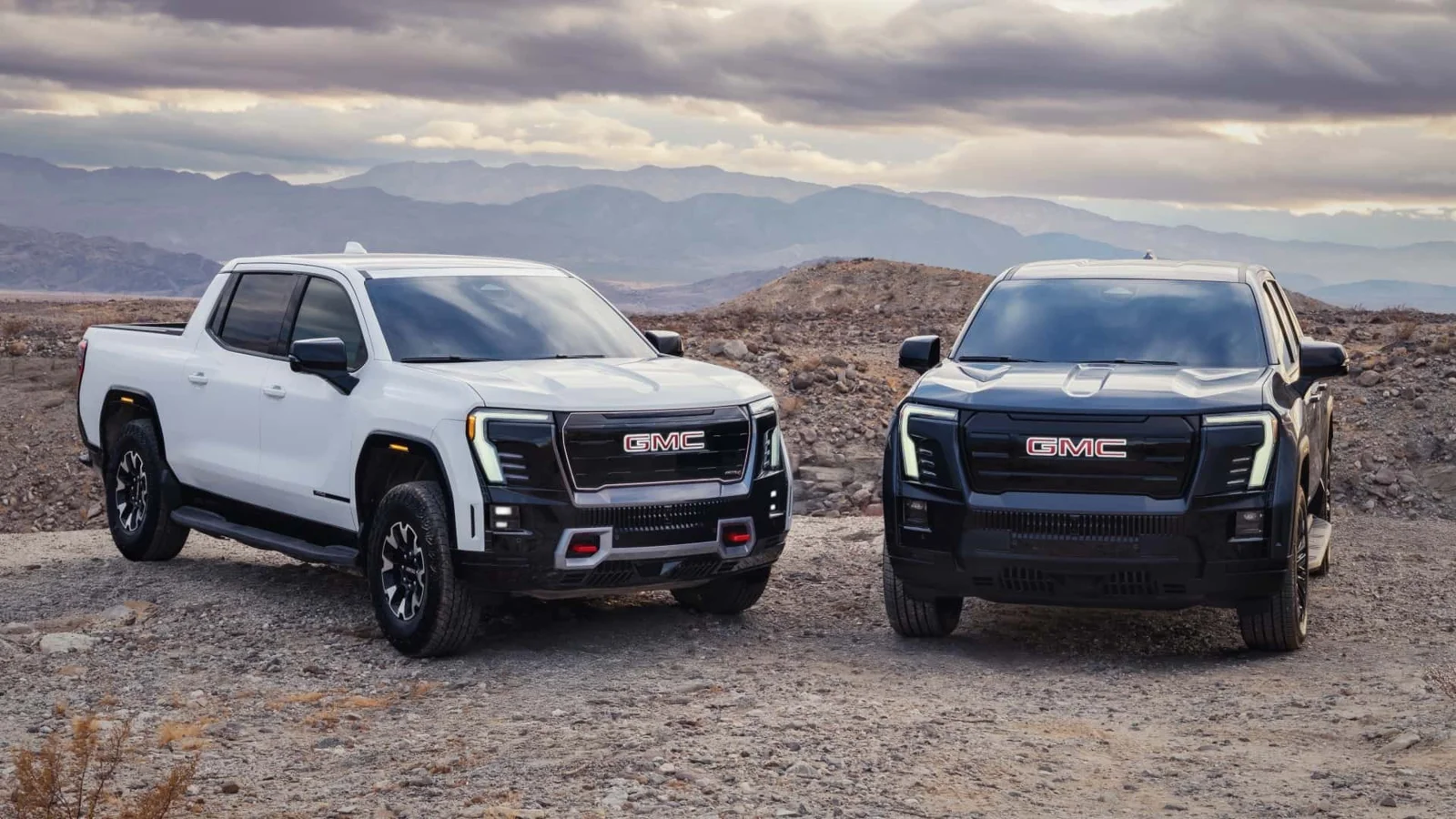
According to Insideevs, General Motors is positioning silicon anodes as the immediate successor to current battery standards rather than waiting for solid-state technology to mature. While many automakers have focused on the promise of solid-state cells, industry experts suggest that advanced lithium-ion chemistries featuring silicon components are much closer to widespread commercialization.
The shift from graphite to silicon
Currently, most electric vehicle anodes rely on graphite, a material that presents significant supply chain risks and environmental concerns. Because more than 90% of graphite processing is concentrated in China, manufacturers are looking for alternatives that maintain stability while offering higher energy capacity. By blending silicon with smaller amounts of graphite to manage physical swelling, engineers can create batteries that outperform traditional designs.
The benefits of this transition include:
- Substantial increases in overall vehicle range.
- Faster charging cycles for high-performance and mass-market models.
- Reduced reliance on environmentally fraught mining practices associated with graphite.
- Improved safety profiles during rapid energy discharge.
Real-world applications and performance
Silicon anode technology is no longer theoretical, as it is already powering high-end consumer electronics and specialized automotive projects. For instance, the McMurtry Spéirling hypercar utilizes batteries from Molicel featuring Group14 silicon anodes to achieve extreme acceleration. Similarly, Mercedes-Benz has integrated silicon-containing anodes into the new AMG GT to facilitate peak charging rates of 600 kilowatts, allowing for a 10% to 80% charge in just 11 minutes.
Industry startups are also highlighting significant performance leaps. Amprius Technologies claims their silicon anode batteries could potentially increase an EV's range from 310 miles to 574 miles on a standard pack size. Meanwhile, Sila reports that high-silicon anodes can boost range by 20% without requiring any increase in the physical dimensions of the battery pack.
Scaling for the mass market
The primary hurdle remaining for General Motors and its competitors is scaling this production to achieve cost parity with existing lithium-ion cells. While high-performance vehicles are currently leading the adoption, the ultimate goal is to integrate these high-density anodes into affordable, high-volume models. By prioritizing silicon over solid-state tech in the immediate future, GM aims to provide a tangible leap in EV utility while the industry works toward long-term chemistry revolutions.