 EVERYTHING


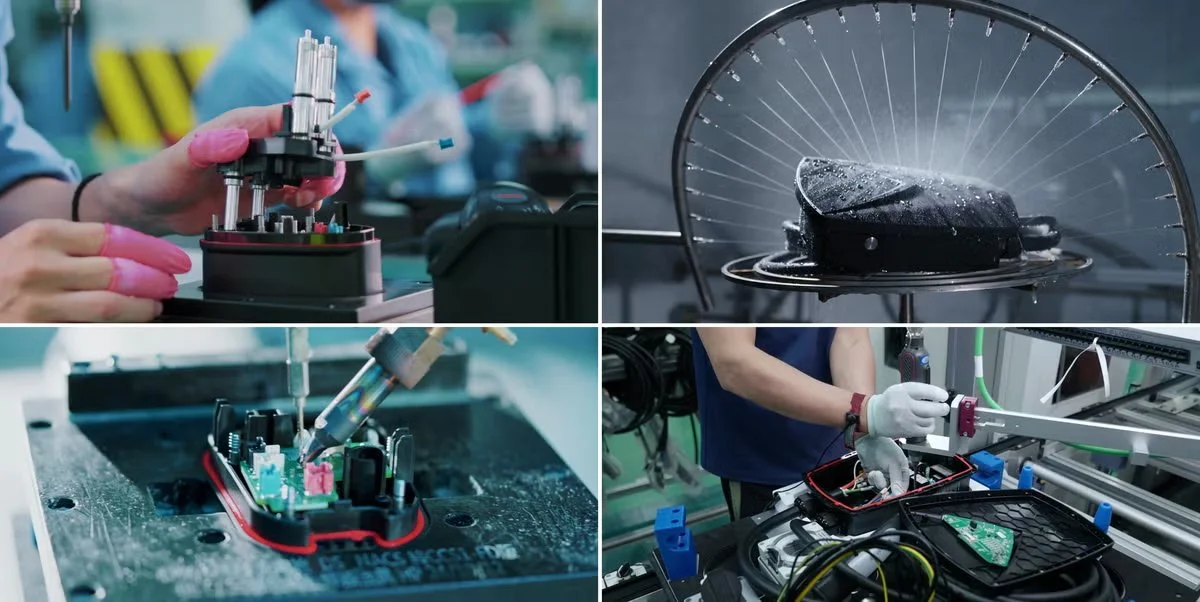
According to Caranddriver, Lectron has provided a rare look into the industrial production of its electric vehicle charging equipment. While many consumers view adapters as simple cables, the company serves as a primary supplier for the vast majority of NACS and SAE conversion tools currently entering the market.
Automated assembly and component integration
The manufacturing process relies heavily on high-speed automation to ensure consistency across thousands of units. One of the most critical stages involves the production of printed circuit boards (PCBs), where specialized machinery affixes essential electrical components such as capacitors, resistors, and diodes in a matter of seconds.
This level of precision is required because Lectron must satisfy the rigorous vetting processes of multiple global automakers. CEO Christopher Maiwald noted that constant scrutiny from automotive engineers has forced the company to elevate its standards across all product lines, including their home charging hardware.
Automotive-grade quality control measures
The production line for the Nexus Level 2 home charger mirrors the assembly techniques found in traditional vehicle manufacturing plants. Key features of this process include:
Durability is a core focus for the brand, with mechanical relays designed to last 30,000 cycles. The charging handles themselves are engineered to withstand 10,000 plug-in events, which equates to over 27 years of daily use. By utilizing these industrial methods, Lectron aims to provide hardware that can survive the demanding environments of home and public charging infrastructure.