 EVERYTHING


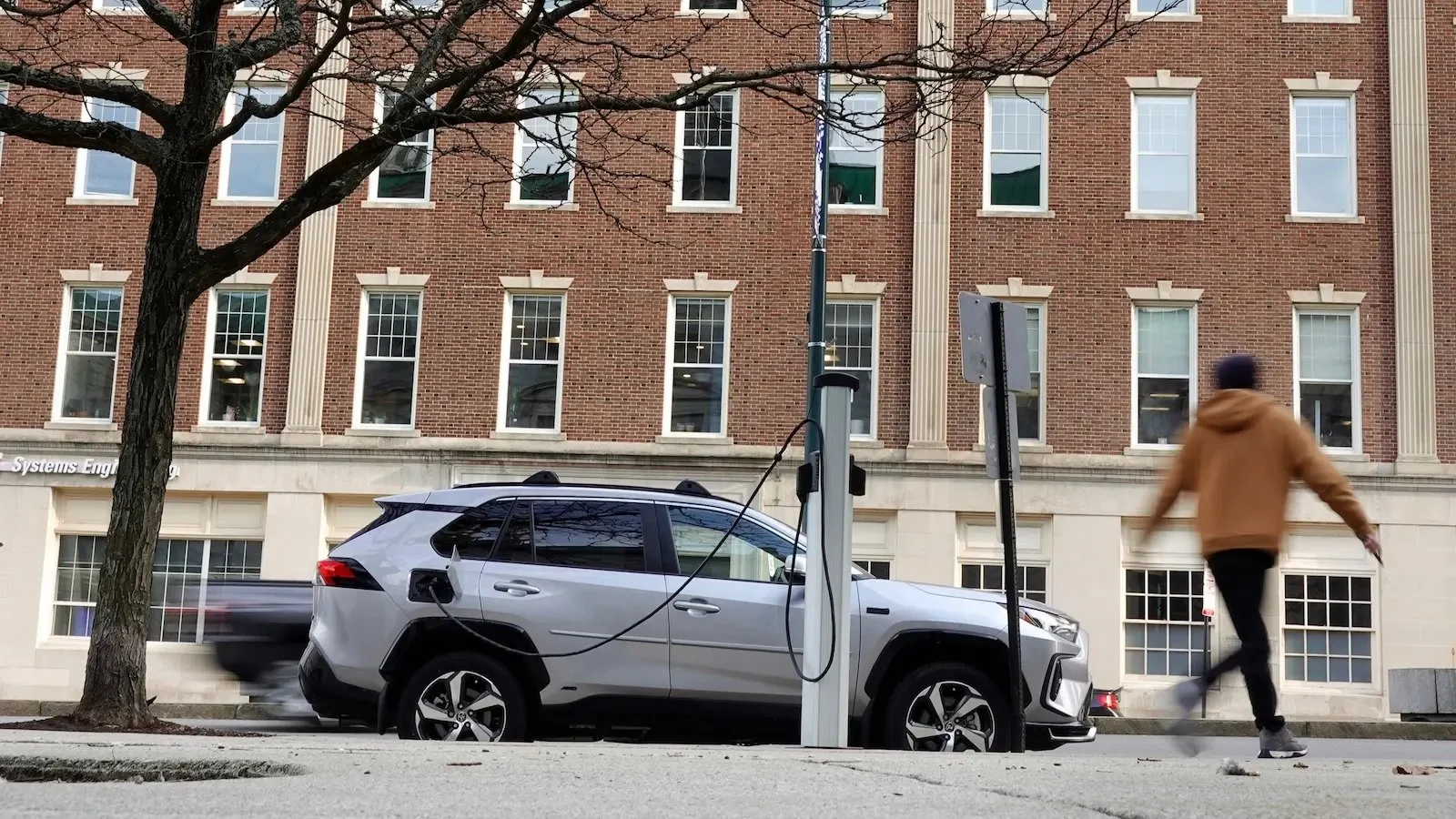
Electric vehicles are widely promoted for their environmental benefits and operational savings, yet a hidden financial burden often overlooked is vehicle insurance. Insurify, an insurance comparison marketplace, released a report detailing how EVs carry higher premiums than ICE counterparts across various markets.
Disparity in Premiums Across States and Models
The average insurance gap between electric and internal combustion engine vehicles was 42 percent. However, this cost varies drastically depending on the geographical location and the specific vehicle model. Washington, D.C., reported one of the most expensive locales, with coverage costing $6,394 compared to $4,124 for ICE cars. Conversely, Maine offered the lowest rates at $1,476, only slightly higher than a conventional car.
The difference was particularly pronounced in Rhode Island, which registered a 73 percent spread in costs. Furthermore, certain luxury brands are notably expensive to insure; models from Tesla, Mercedes-Benz, and Audi often see premiums exceeding $4,000. In contrast, manufacturers like Volvo, Chevrolet, Ford, and Hyundai tend to offer vehicles at the lower end of the insurance spectrum.
Repair Complexity as a Primary Driver
A primary factor driving this disparity is the increased cost associated with repairing EVs. Ryan Mandell, vice president of strategy and market intelligence at Mitchell, notes that there is a measurable delta in repair costs for electric vehicles compared to ICE models, pegging the difference at approximately 15 percent.
The complexity of EV components contributes significantly to this higher cost. Batteries are relatively expensive to fix, and mechanics face challenges working around these systems due to complicated electronics. Mandell provided an example using the Ford F-150 Lightning: when subjected to a front-end crash test, the traditional gasoline model absorbed impact through its engine structure. Because the EV version lacks this component, Ford had to design the Lightning with additional reinforcement, which increased repair costs by around 30 percent.
- The necessity of removing the large battery pack before any repairs are performed also adds considerable labor time and cost.
- Insurify’s data suggests that while insurance rates for the gasoline and EV versions of the F-150 were roughly similar, other factors like driver behavior play a role in final premiums.
Beyond Mechanics: Risk and Demographics
While repair costs are critical, insurers consider several fundamental risk factors beyond vehicle mechanics. Insurify’s data indicates that personal driving history and credit scores are among the most significant determinants of premium rates. For instance, given the higher cost of ownership for vehicles like the Lightning, owners may possess higher credit scores.
The report also highlighted regional risks, citing climate-driven extreme weather events such as hurricanes and flooding in several states. Additionally, factors including vehicle theft rates, population density, insurance regulation, repair infrastructure, and overall EV adoption levels contribute to localized cost differences. Ultimately, while high insurance expenses mean an EV must drive more miles to offset lower fuel costs, the complexity of modern electric vehicles continues to challenge traditional insurance models.