 EVERYTHING


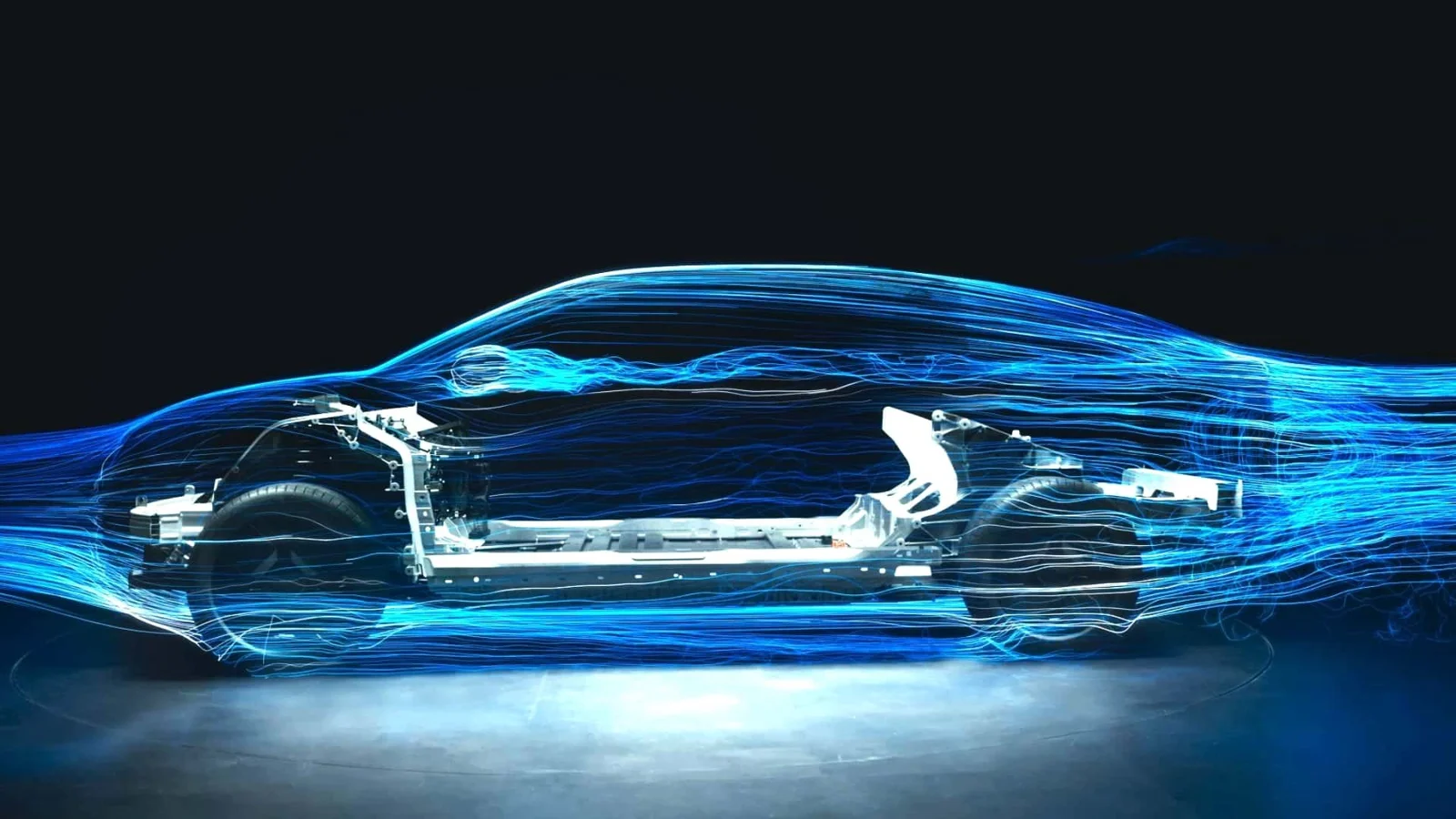
According to Insideevs, Ford is shifting its focus toward an affordable midsize electric truck as a primary solution to the cooling demand for large-scale electric pickups. The company acknowledges that previous attempts to sell premium, full-sized electric trucks have faced significant hurdles due to high costs and infrastructure limitations.
The failure of large electric pickups
The American automotive landscape has seen a series of setbacks for heavy-duty electric vehicles. Ford recently scaled back its EV ambitions, booking nearly $20 billion in charges related to the cancellation of several planned large models. This shift follows poor sales of the F-150 Lightning and the idling of General Motors' Factory Zero plant, which produces various high-end electric trucks and SUVs.
Industry analysis suggests that consumers are resistant to expensive electric trucks that lack the range or towing capabilities of their internal combustion counterparts. Key challenges identified by the industry include:
Targeting a new market segment
To counter these trends, Ford is developing a software-defined EV platform for a midsize truck intended to start at $30,000. This strategy distinguishes itself from the current market by focusing on lighter hauling needs, such as transporting jet skis or small boats. Alan Clarke, Ford's executive director of advanced EV development, noted that large trucks are poorly suited for certain use cases compared to smaller models.
"Big trucks are a tougher market than small trucks," — Alan Clarke, executive director of advanced EV development. He explained that midsize trucks offer a much better use case for electric power because they handle lighter loads more efficiently. By positioning this new model alongside the successful gas-powered Maverick and Ranger, Ford hopes to provide a compelling alternative for buyers who currently rely on traditional combustion engines.
If successful, this $30,000 entry point could establish a new category for the brand without direct competition. However, the move remains a high-stakes gamble to see if affordability alone can overcome the established trust in gasoline trucks.