 EVERYTHING


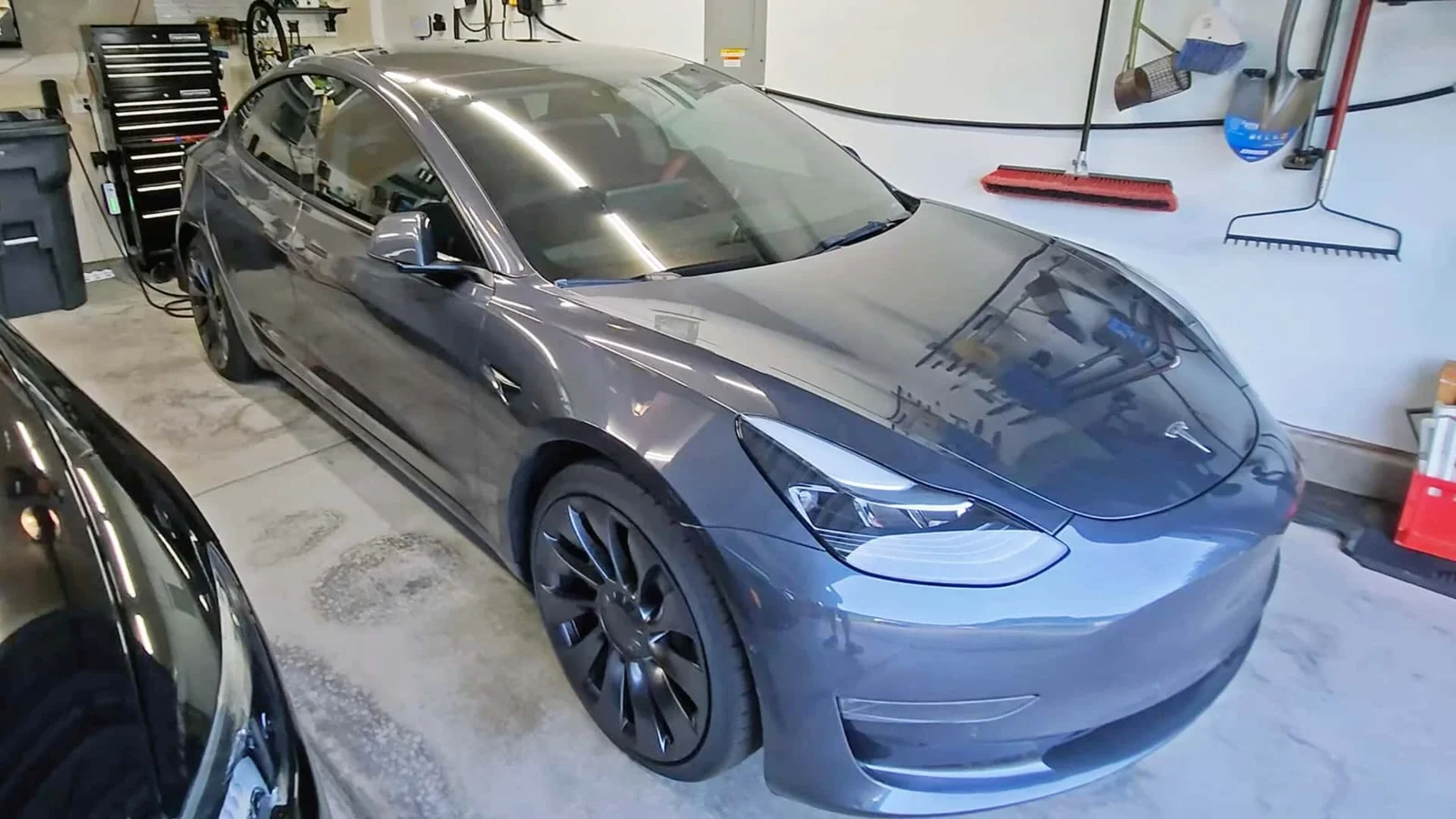
According to Insideevs, a 2022 Tesla Model 3 Performance owner discovered that the vehicle's battery health was lower than anticipated following a rigorous diagnostic test. While the car has been meticulously cared for by its current owner, the data suggests that the vehicle's history as a demo car played a critical role in its current state of degradation.
Discrepancies between third-party apps and factory tests
The owner initially relied on Recurrent, a third-party application that estimates battery health by analyzing data points such as mileage, charging behavior, and climate exposure. The app provided varying estimates for the Model 3, ranging from 89% to 92%. However, when the owner performed Tesla's official built-in health test—which requires the car to be plugged in to undergo a near-full discharge and recharge cycle—the result was confirmed at 88%.
This discrepancy highlights the difficulty of accurately predicting battery wear without direct access to the vehicle's internal diagnostic capabilities. The owner noted that while 89% felt harsh, the official 88% figure was even more concerning given the car's current usage profile. Despite this decline, the car still maintains a respectable range of approximately 276 miles on a full charge compared to its original EPA estimate of 303 miles.
The impact of early life cycles on battery longevity
The vehicle was purchased by Tech Motoring when it was only five months old with just 1,000 miles on the odometer. During that initial period, it likely functioned as a demo car, which often involves high-frequency use and frequent charging without regard for optimal battery health. The owner currently follows best practices to preserve the remaining capacity:
- Utilizing a Level 2 home wall box for regular charging.
- Maintaining a state of charge between 30% and 80%.
- Avoiding frequent high-voltage DC fast charging to 100%.
Battery degradation typically occurs most rapidly when a pack is new and then tapers off as the chemistry stabilizes. However, intensive use during the first few months of an EV's life can cause accelerated wear that persists for years. This case serves as a warning to used EV buyers that low mileage does not always equate to high battery health. Buyers should prioritize verified diagnostic tests over odometer readings to ensure the long-term viability of the powertrain.