 EVERYTHING


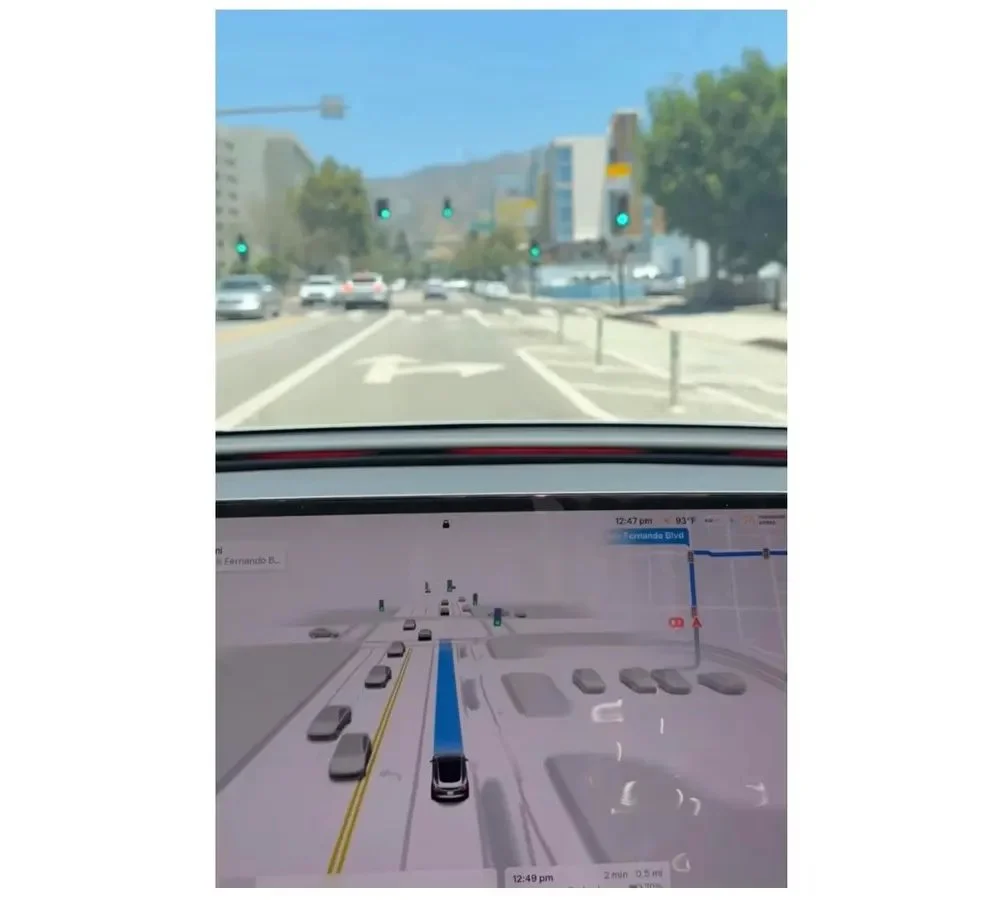
According to Forbes, the distinction between Tesla's various driving aids has become increasingly complex for consumers as the company shifts its software architecture. The recent investigation into a fatal crash in Katy, Texas, highlights the specific behaviors of Full Self-Driving (Supervised) compared to the legacy Autopilot features that many drivers still associate with the brand.
The evolution of Tesla driving software
Tesla has undergone significant rebranding and technical restructuring regarding its driver assistance suites. What was formerly known as Autopilot is being phased out in favor of more specific designations. Currently, the basic highway features previously associated with Autopilot have been rebranded as Traffic-Aware Cruise Control, which primarily functions as adaptive cruise control.
Furthermore, even the basic "autosteer" capabilities—which allowed for lane centering and speed management on highways—have been migrated into the Supervised Full Self-Driving suite. This means that FSD is now the primary autonomous technology offered by the company, intended to eventually function as a robotaxi system rather than just a highway assistant.
Analysis of the Katy, Texas crash
The investigation into the Model 3 crash has revealed critical data regarding how FSD interacts with human intervention. Tesla's Head of AI, Ashok Elluswamy, confirmed that the vehicle logs showed the Full Self-Driving software was active at the time of the incident. However, the driver reportedly engaged the accelerator to 100% in a residential area.
Key findings from the investigation include:
- The vehicle reached a speed of 73 mph before impacting a brick home.
- Data indicates the accelerator remained pressed even after the initial impact.
- Tesla claims the driver manually overrode the autonomous system by flooring the pedal.
"In this case, the driver manually overrode self-driving by pressing the accelerator all the way to 100% of the accel pedal in this residential area," — Ashok Elluswamy, Head of AI at Tesla.
Mechanics of FSD engagement and overrides
A significant point of confusion for many users is that pressing the accelerator does not automatically disengage Full Self-Driving. The system remains active unless specific override actions are taken by the driver. To successfully disengage FSD, a user must perform one of four specific actions:
- Pressing the brake pedal.
- Moving the gear stalk upward (on equipped models).
- Pressing the right scroll wheel on the steering wheel (on equipped models).
- Taking over by grabbing and jerking the steering wheel to steer manually.
Because pressing the accelerator is not a recognized disengagement command, FSD can remain active while the vehicle reaches high speeds if the driver chooses to floor the pedal. This technical reality was central to the Katy crash, where the system did not shut down despite the rapid acceleration. Experts suggest this highlights the ongoing risks of pedal misapplication, where a driver intends to brake but mistakenly hits the accelerator.