 EVERYTHING


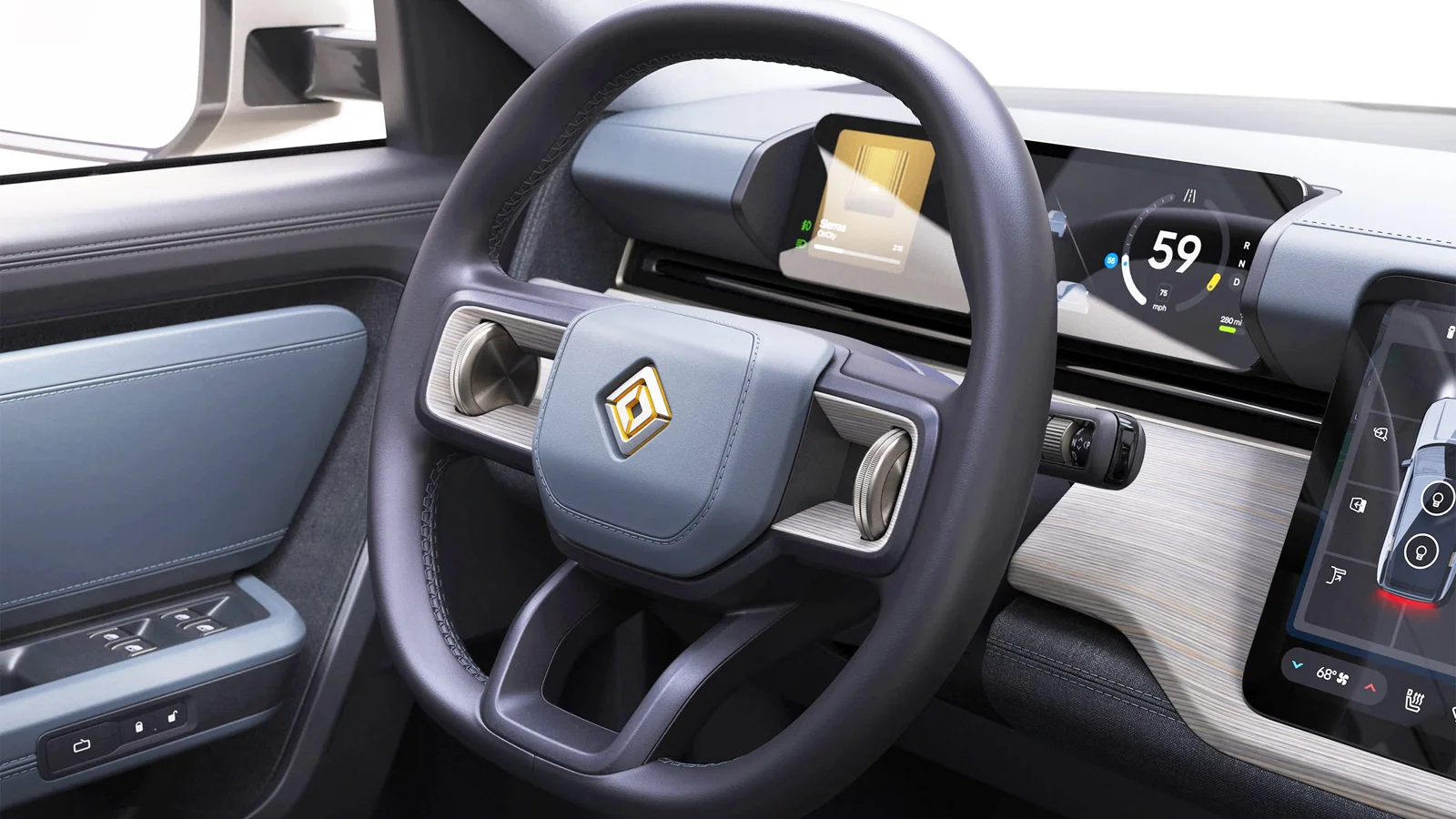
According to Carscoops, Rivian is doubling down on its AI-powered Assistant system, which serves as the core interface for its vehicles. The company maintains that advanced voice control provides a more comprehensive interaction method than traditional physical buttons or even complex touchscreen navigation.
The Case for Conversational AI
Wassym Bensaid, Rivian’s chief software officer and co-CEO of the Rivian and VW joint venture, stated his strong belief in the potential of voice technology. He explained that while buttons can exist, they should not be the primary method of interaction because voice allows users to execute multiple functions simultaneously without needing to navigate deep menus.
Rivian’s Assistant, which began rolling out on R1 models in mid-May, is built upon a shared, multimodal AI foundation capable of controlling core vehicle functions, including HVAC. The system offers a conversational approach that surpasses standard voice commands; for instance, instead of issuing the specific command, “Open the frunk,” a user can simply state, “I have a bag in the front of the car,” and the system will automatically respond.
Design Choices: Voice Over Buttons
The brand’s commitment to its AI assistant means that both current R1 models and the new R2 are largely devoid of traditional physical buttons. Bensaid noted that this design philosophy is supported by hardware solutions, such as those in the R2. Instead of dedicated HVAC buttons, large scroll wheels on the steering wheel allow drivers to adjust settings like fan speed instantly.
- The Assistant utilizes its proprietary Android-based infotainment system.
- This setup ensures seamless AI functionality regardless of whether Apple CarPlay or Android Auto is supported.
- Rivian claims that past technology limitations were the reason consumers had not fully adopted voice interaction until now.
By prioritizing a fluid, conversational experience over discrete physical inputs, Rivian aims to elevate the overall driving experience to the next level, allowing users to interact with their vehicle as they would with a human assistant.
The company’s stance challenges established automotive norms, suggesting that future mobility will be defined less by tactile controls and more by sophisticated natural language processing. This focus on seamless voice integration positions Rivian at the forefront of how humans will interface with complex machinery in the coming years.