 EVERYTHING


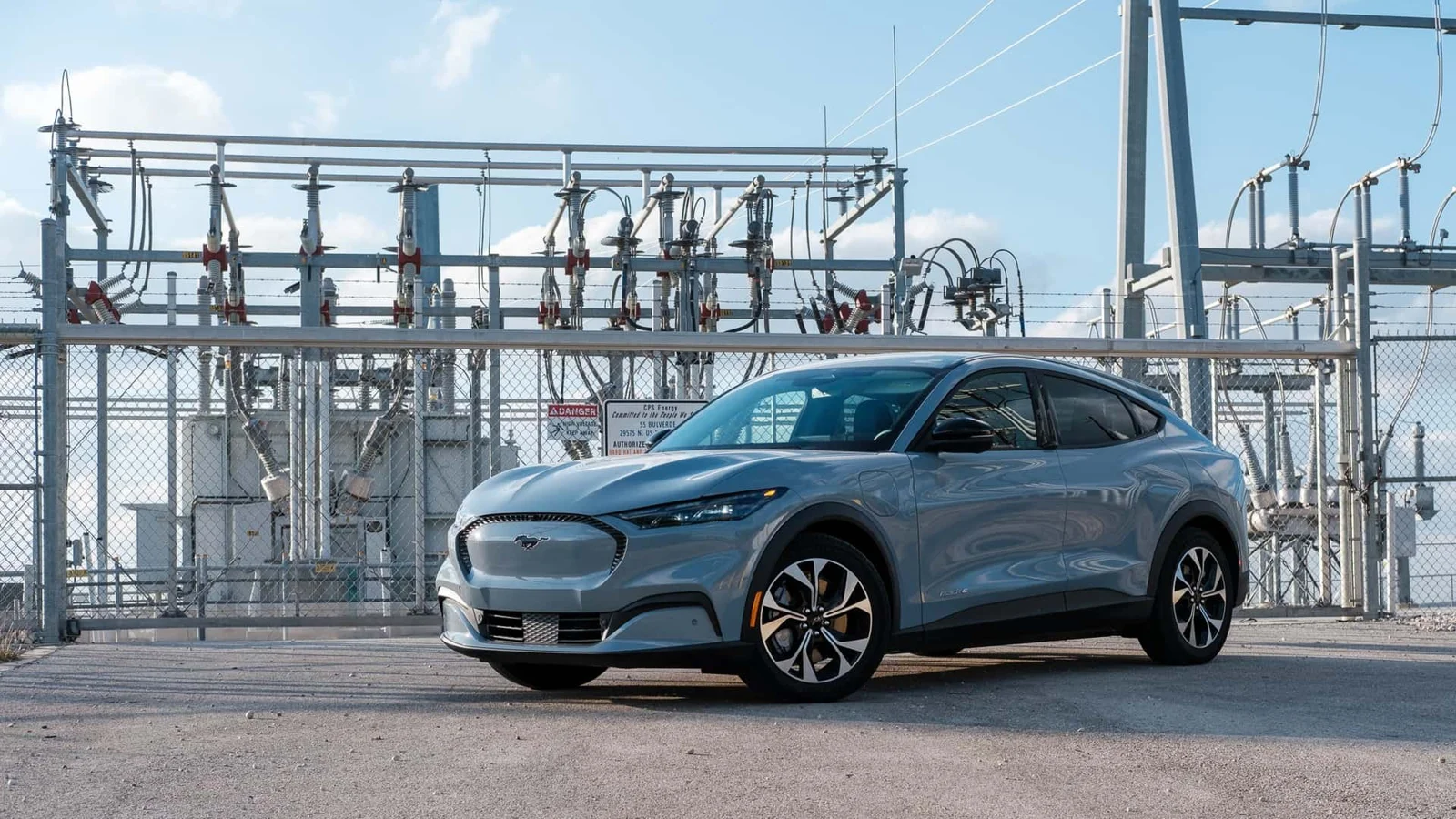
The Mustang Mach-E occupies an interesting position within Ford’s electric lineup; it was instrumental in establishing the brand as a serious contender in the EV space. However, recent performance metrics and strategic shifts suggest that the model may require a complete overhaul rather than a simple platform update. According to Insideevs, Ford has confirmed via a Q&A section on its website that the Mach-E will not be built upon the new UEV architecture.
The Strategic Pivot Away From Legacy Designs
This announcement signals a clear strategic move by Ford toward maximizing efficiency through its newer designs. The UEV platform was developed from a clean sheet specifically to optimize vehicle performance and cost structure for future models, including SUVs and vans. While the Mach-E will not migrate to this new architecture, it does not necessarily mean the nameplate is being retired; rather, it suggests Ford may keep the current design lineage or seek an alternative manufacturer’s platform.
Ford leadership has been candid about the shortcomings of its initial electric vehicle efforts. CEO Jim Farley has previously stated in multiple interviews that first-generation EVs, including the F-150 Lightning and Mustang Mach-E, were fundamentally "designed the wrong way." He cited examples from competitors, noting how a rival's clean-sheet design achieved significant weight savings through streamlined components like wiring harnesses.
Key Differences Between Old and New Ford EV Architectures
The shift to UEV represents a substantial leap in engineering philosophy compared to the GE1 platform currently underpinning the Mach-E. The new architecture is designed to address known inefficiencies from earlier models. Key aspects of this transition include:
- Maximizing overall vehicle efficiency through modern component integration.
- Supporting a broader range of body styles beyond just pickups and SUVs.
- Incorporating lessons learned regarding lightweighting and electrical system optimization.
While the UEV platform is not an 800-volt architecture, it promises comprehensive improvements across various metrics when compared to its predecessor. Ford’s willingness to move past initial designs—as evidenced by pulling the plug on the F-150 Lightning—demonstrates a commitment to evolving based on market feedback.
Future Possibilities for the Mach-E Lineage
The uncertainty surrounding the Mach-E's future is compounded by its current sales trajectory. Year-over-year U.S. sales through May showed a significant drop, falling to under 10,000 units, partly attributable to the expiration of federal tax credits. If Ford chooses not to use UEV, it could opt for one of several paths: maintaining the existing architecture with iterative improvements, or partnering with another supplier, similar to how they utilized Volkswagen’s MEB platform in other markets.
Ultimately, Ford appears to be prioritizing a clean slate approach for its next wave of electric crossovers. The company has clearly learned from its early EV deployments and is now focused on leveraging the efficiencies inherent in the UEV structure for its future lineup, leaving the Mach-E's immediate path ambiguous.