 EVERYTHING


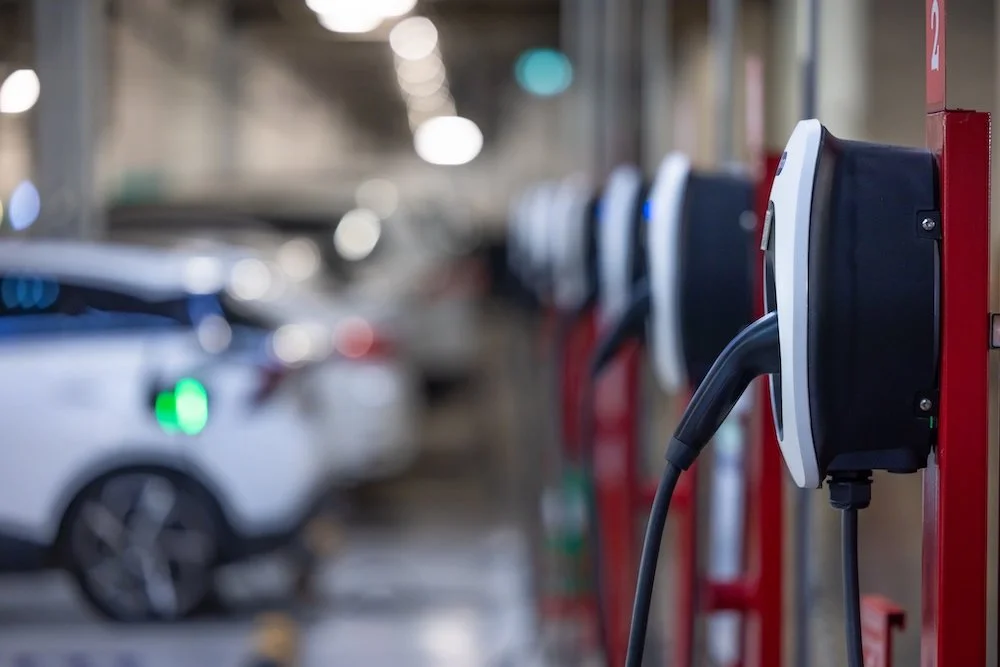
According to Eutoday, European and British carmakers are intensifying their lobbying efforts in Brussels to delay the implementation of stricter post-Brexit electric vehicle tariffs. The core issue revolves around the widening gap between Europe’s industrial policy ambitions for green transition and the current state of its battery supply infrastructure.
The Rules of Origin Challenge
Under the EU-UK Trade and Cooperation Agreement, vehicles crossing the Channel must meet increasingly demanding rules of origin to maintain tariff-free trade status. These regulations mandate that a significant portion of both the vehicle and its battery must be produced within either the European Union or the United Kingdom, discouraging reliance on imported components from third countries.
The industry has repeatedly warned that meeting this accelerated timetable is extremely difficult. While the Council of the European Union previously approved an extension in December 2023, keeping existing rules until the end of 2026, the new, tougher thresholds are slated to take effect on January 1, 2027. Without further adjustment, vehicles failing to meet these local-content requirements could face tariffs.
Industry Concerns and Market Risk
The automotive sector argues that imposing such tariffs at a time of intense price sensitivity among EV buyers would be detrimental. Industry bodies on both sides of the Channel have highlighted several critical risks:
- Market Disruption: The European Automobile Manufacturers’ Association warned that the rules risked disrupting one of Europe's most vital export markets, noting the UK is the EU’s largest vehicle export market by volume.
- Cost Inflation: Tariffs could feed into consumer prices and reduce model availability, complicating efforts by governments to accelerate the shift away from combustion-engine vehicles.
- Supply Chain Exposure: Despite policy goals promoting local production, the EV sector remains heavily exposed to Asian battery supply chains, particularly those in China.
The Society of Motor Manufacturers and Traders (SMMT) echoed these concerns, stating that the stricter 2027 rules, combined with uncertainty over definitions, could place electrified vehicle trade at significant risk. The industry is seeking a delay because Europe’s battery production capacity has not expanded at the pace assumed during previous negotiations.
A Test of European Autonomy
For Brussels, the dispute transcends mere technicalities related to Brexit; it represents a broader test of Europe's strategy for industrial autonomy and its green transition. The EU has consistently argued that its policies should support domestic production and reduce dependence on external suppliers. However, if tariffs are imposed prematurely, they risk penalizing manufacturers before the necessary local supply base is fully operational. A 10 per cent tariff could severely impact exporters and consumers alike, undermining the very goal of building a self-sufficient European EV market.
The automotive sector continues to press for more time, arguing that robust policy must align with realistic manufacturing capacity rather than ambitious timelines alone. The outcome of this negotiation will significantly influence the pace and structure of Europe's future electric vehicle industry.