 EVERYTHING


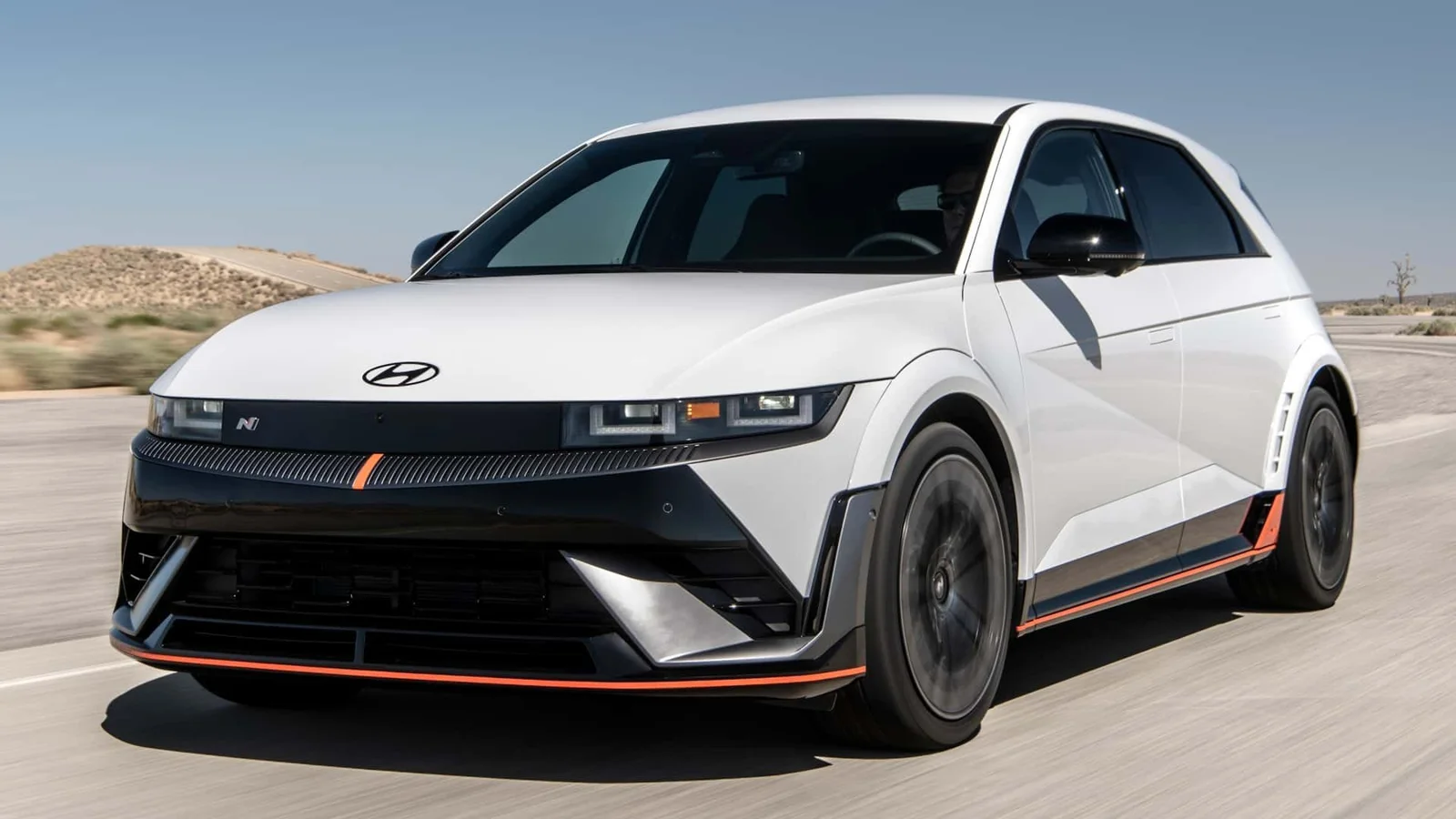
Hyundai is planning substantial enhancements to its N e-shift simulated gearbox technology for its next generation of electric performance cars. These upgrades aim to make the digital driving experience feel significantly more authentic, moving beyond simple software tricks into deeper sensory simulation. According to Motor1, these potential additions could include replicating sounds such as idling and backfiring, alongside adding subtle vibrations to the cabin.
The Pursuit of Realistic Driving Feedback
Manfred Harrer, the automaker’s head of R&D, emphasized that Hyundai prioritizes fun over strict adherence to traditional performance benchmarks. He stated in an interview with Autocar, "We are not the serious Porsche guys,” reinforcing the brand's philosophy: “We are fun to drive.” Harrer confirmed that testing on this advanced technology is already underway, asserting that Hyundai intends to lead rather than follow industry trends in this area.
The evolution of these electric N models extends beyond just sound design. The company has also filed a patent for a sophisticated shift-by-wire mechanism. This new shifter system possesses a clutch and neutral position capabilities, allowing it to mimic the feel of both a traditional automatic transmission and a manual gearbox, regardless of what the actual drivetrain is doing.
Platform Evolution and Technological Integration
These next-generation EVs will be built upon Hyundai’s upcoming Integrated Modular Architecture (IMA). Harrer described this platform not as a revolution, but rather a “huge evolution” that incorporates incremental improvements over the existing E-GMP architecture used in models like the Ioniq 5 and Ioniq 6. Key aspects of this new IMA platform include:
- Upgraded thermal management systems for better operational efficiency.
- Integration of newer battery technology designed to reduce overall costs.
- Support for advanced software features, including the enhanced e-shift simulation.
While the full rollout timeline remains unclear—given that the brand's current EVs are five years old—the replacements are anticipated within the next few years. The combination of hardware innovation and sophisticated digital fakery positions Hyundai to redefine what a performance EV experience can feel like.
This strategic doubling down on immersive software is notable in the industry, as other manufacturers have begun adopting similar enhancements despite initial skepticism regarding purely simulated driving dynamics. Ultimately, Hyundai appears determined to satisfy the enthusiast desire for tactile feedback within an electric powertrain framework.