 EVERYTHING


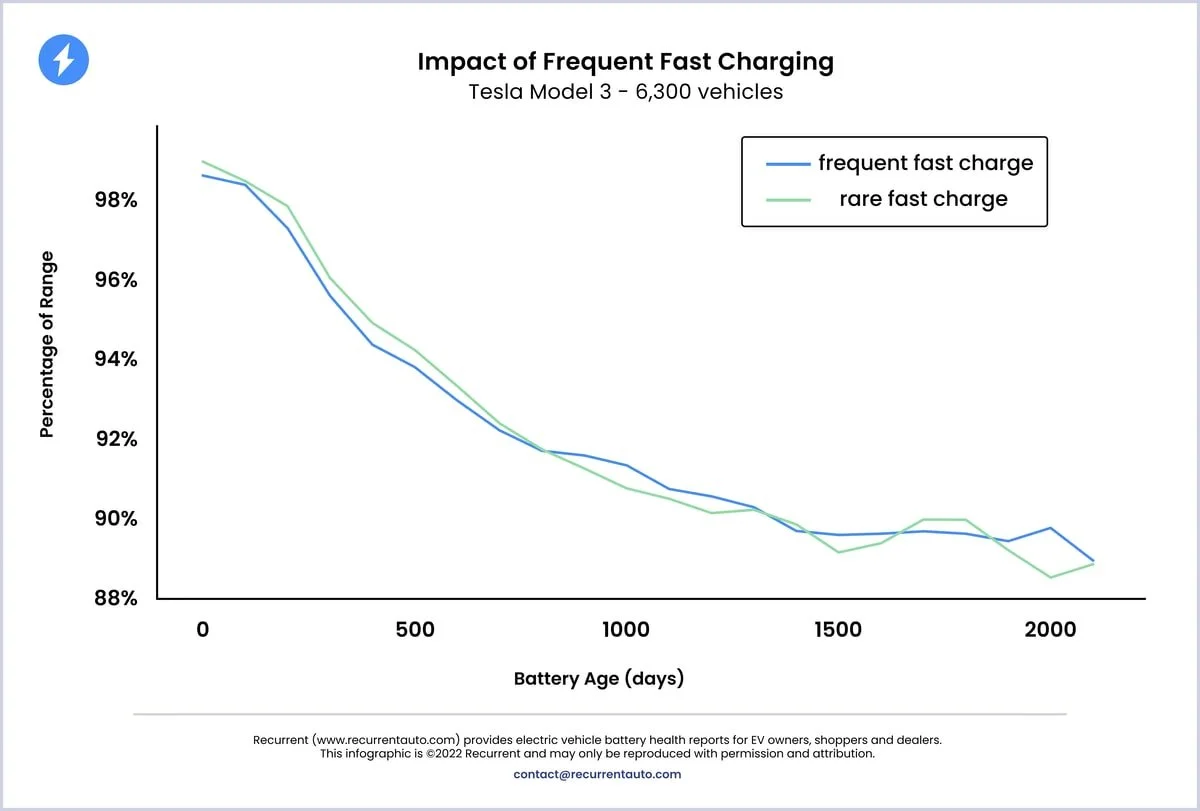
For years, the automotive industry maintained a cautious stance regarding frequent DC fast charging for electric vehicles (EVs), suggesting it could severely compromise battery longevity. However, a comprehensive report from Recurrent, which analyzed extensive data gathered from over 12,500 Tesla vehicles across the United States, indicates that there is little to no measurable difference in battery degradation between high-frequency and low-frequency fast charging usage. The research aimed to determine if the sophisticated software and safety mechanisms integrated into the Battery Management System (BMS) successfully prevent damage during rapid energy transfer.
Understanding EV Charging Mechanics
To contextualize the findings, it is important to differentiate between AC and DC charging methods. When an EV charges at home or using a standard outlet, it utilizes Alternating Current (AC). The vehicle's onboard charger converts this AC electricity into Direct Current (DC) before sending it to the battery. This process has inherent speed limitations, typically adding 20-40 miles of range per hour depending on the specific model and charging rate (often around 11 kW).
In contrast, DC fast charging—which occurs exclusively at public stations like Tesla Superchargers—bypasses the onboard converter. This allows a massive influx of energy directly into the battery pack, enabling significantly faster refueling times. The primary concern associated with this rapid input is the theoretical risk of pushing too much power too quickly, potentially causing irreparable long-term range loss.
Key Findings on Battery Degradation
The core of Recurrent’s study involved a direct comparison between two groups: vehicles that fast charged at least 90% of the time and those that fast charged less than 10% of the time. The results demonstrated no statistically significant difference in range degradation between these two cohorts. This suggests that for most users, routine reliance on Superchargers does not pose a substantial threat to battery health.
The team at Recurrent attributes this positive outcome to the advanced engineering employed by EV manufacturers. Tesla, specifically, utilizes robust thermal and voltage management systems that actively regulate power flow based on several critical factors:
- Battery temperature
- Current state of charge (SoC) percentage
- External environmental conditions
Initial analysis suggests these findings are broadly applicable across various Tesla models and potentially other EV manufacturers. However, detailed research is ongoing to support this conclusion across a wider range of vehicles.
When Fast Charging Requires Caution
While the study alleviates general concerns about fast charging frequency, Recurrent advises that certain conditions can accelerate battery impact. Users should remain mindful of operational protocols when environmental factors are extreme or when the battery is at critical charge levels. These high-risk scenarios include:
- Fast charging in extreme heat without preconditioning the battery
- Attempting to fast charge in very cold weather before warming up the pack
- Charging when the battery is at extremely low or extremely high states of charge, as resistance increases during these periods
Preconditioning—where the car’s thermal management system adjusts the temperature—is typically handled automatically if navigation directs the vehicle to a fast-charge station. Overall, this research contributes valuable data to the growing body of knowledge regarding EV battery longevity and charging practices, confirming that while caution is advised in extreme conditions, routine Supercharging remains safe.