 EVERYTHING


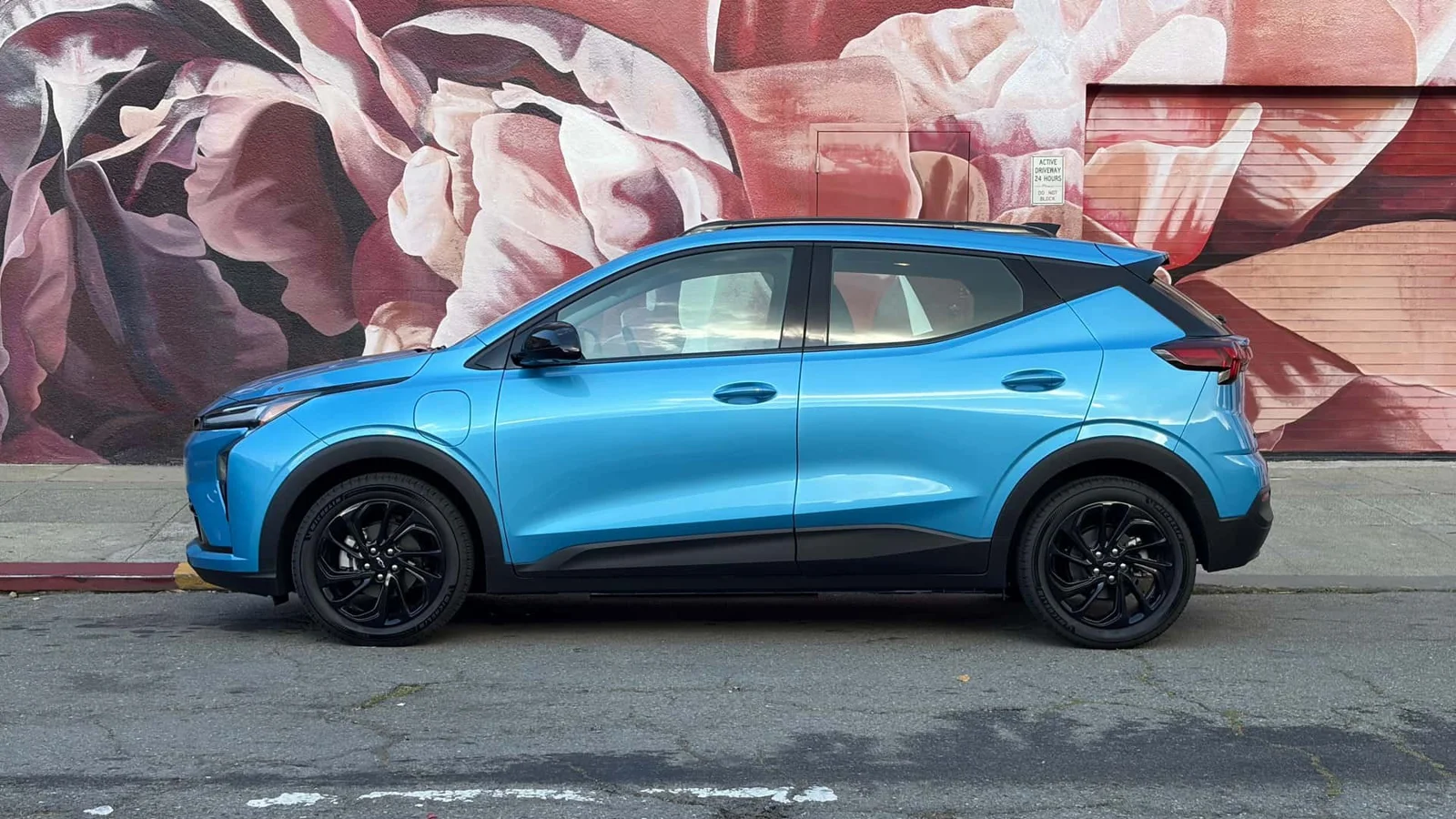
According to Insideevs, a new battery stress test conducted by the YouTube channel Out Of Spec Testing has clarified how the Chevrolet Bolt EV handles extreme low-power scenarios. While the vehicle represents a significant upgrade for model year 2026 with its improved lithium-iron-phosphate (LFP) chemistry and faster charging speeds, it behaves differently than some rivals when pushed to its absolute limits.
Comparison of battery reserve behaviors
In many electric vehicles, manufacturers include a small amount of "hidden" energy below the 0% display to ensure drivers can reach a charger safely. However, the testing revealed that the Bolt does not follow this specific convention. When the vehicle reached a 1% state of charge, it immediately lost power and ceased operation.
The test highlighted several key differences between the Bolt and other popular models:
- Tesla Model Y and Model 3: Approximately 20 miles of reserve range below 0%.
- Nissan Leaf: Roughly 10 miles of reserve energy.
- Chevrolet Bolt EV: No usable buffer; power cuts at 1% state of charge.
This behavior appears to be a consistent design choice across the General Motors lineup. The testing indicated that other GM models, including the Cadillac Escalade IQ and the Chevy Equinox EV, also exhibit the same lack of reserve energy once they hit the 1% mark.
Implications for owners and battery health
Despite the lack of a safety buffer, experts suggest this does not necessarily impact daily usability. Most manufacturers advise drivers to maintain a charging window between 10% and 80% to maximize long-term battery longevity. Furthermore, Chevrolet specifically recommends that Bolt owners charge the vehicle to 100% periodically to ensure the state of charge remains accurately calibrated.
Because the Bolt utilizes LFP chemistry, it is less susceptible to degradation from frequent full charges compared to traditional nickel-based batteries. Consequently, the absence of a locked reserve means that more of the battery's total capacity is accessible to the driver during normal operation. While drivers should avoid reaching critical levels, the vehicle provides maximum usable range by not sequestering energy for an emergency buffer.